RTX 5090 Price Today: Up to $9,200, Far Above Its $1,999 MSRP
Nvidia's RTX 5090 still carries a $1,999 MSRP, but real Newegg prices now run $6,500 to over $9,200. Here is why, and what to do about it.
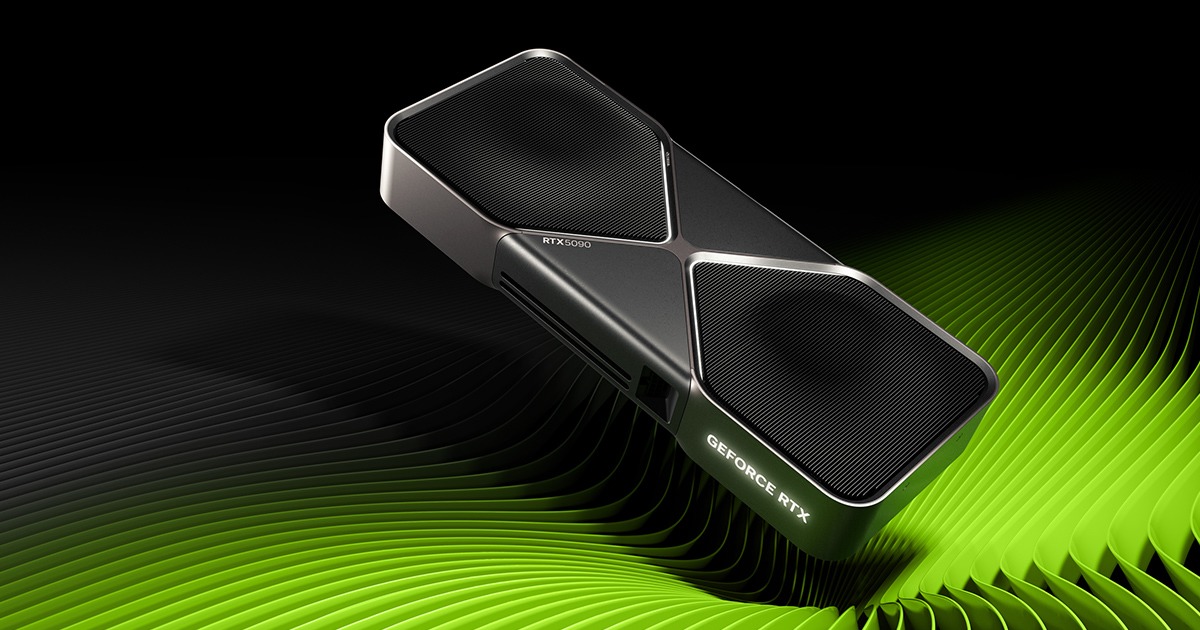
The Nvidia GeForce RTX 5090 still carries a $1,999 suggested price on Nvidia's own spec sheet, but nobody is paying that. On Newegg on October 6, 2026, the cheapest in-stock RTX 5090 card — Nvidia's own Founders Edition, sold through a Newegg marketplace listing — was priced at $6,499.99. Premium board-partner cards from Asus, Gigabyte, MSI and Zotac were running $7,000 to just over $9,200. That's roughly 225% to 360% above MSRP, for a card that launched at under $2,000 less than two years ago.
The short version: AI data-center buyers are competing with gamers for the same GDDR7 memory chips and the same TSMC manufacturing capacity, new US tariffs have pushed Blackwell production costs higher, and Nvidia itself has warned of gaming-GPU supply constraints through at least mid-2026. None of that is expected to meaningfully reverse before 2027. Here's what the RTX 5090 actually costs today, why, and what to do if you need a GPU now.
RTX 5090 price, in brief
- Official MSRP: $1,999 (Founders Edition), set at launch in January 2025
- Cheapest in-stock price on Newegg, Oct. 6, 2026: $6,499.99 (Founders Edition)
- Typical board-partner (Asus, MSI, Gigabyte) price on Newegg: $7,000–$9,200+
- Premium/overclocked flagship cards (Asus ROG Astral, Gigabyte AORUS): regularly $8,700–$9,200+
- Main drivers: GDDR7 memory shortage from AI/data-center demand, new tariffs on TSMC-made Blackwell silicon, Nvidia's own acknowledged gaming-GPU supply constraints
What the RTX 5090 costs right now
Nvidia's own GeForce RTX 5090 product page still lists the Founders Edition at an MSRP of $1,999, alongside the card's official specs: 32GB of GDDR7 memory on a 512-bit bus, 21,760 CUDA cores, a 575W total graphics power rating and a recommended 1000W power supply. That price has not officially changed since the card's January 30, 2025 launch.
Street prices are a different story. A live check of Nvidia GeForce RTX 5090 listings on Newegg on the morning of October 6, 2026, found the lowest-priced in-stock card — an Nvidia Founders Edition unit, model 900-1G144-2530-000, sold via a Newegg marketplace seller — listed at $6,499.99. From there, prices climbed steadily by brand and cooler tier: MSI's Ventus 3X OC sat at $6,999.99 to $7,246.90, Asus's ROG Astral OC Gaming edition at $7,399.99, and flagship overclocked cards from Asus ROG Astral, Gigabyte AORUS and Zotac SOLID OC ranged from roughly $8,600 to $9,214.
Those figures track closely with recent mainstream coverage. TechRadar reported RTX 5090 prices skyrocketing to around $9,000 for top-end cards, matching the high end of what Newegg shows directly. PCWorld, checking Newegg back in March 2026, found an Asus ROG Matrix Platinum RTX 5090 listed at $7,499, while noting that most RTX 5090 cards on Newegg at the time hovered around $4,000 and Amazon averaged about $3,800 — already double the card's January 2025 launch price. The trend since then has clearly been upward, not down: the cheapest card on Newegg today sits above where PCWorld's "most cards" average was seven months ago.
| Retailer / model | Price | Source & date |
|---|---|---|
| Nvidia (Founders Edition MSRP) | $1,999 | Nvidia.com official spec page |
| Newegg — Nvidia Founders Edition (cheapest in stock) | $6,499.99 | Newegg.com listing, checked Oct. 6, 2026 |
| Newegg — MSI Ventus 3X OC | $6,999.99–$7,246.90 | Newegg.com listing, checked Oct. 6, 2026 |
| Newegg — Asus ROG Astral OC Gaming | $7,399.99 | Newegg.com listing, checked Oct. 6, 2026 |
| Newegg — Asus ROG Astral / Gigabyte AORUS / Zotac SOLID OC (flagship tiers) | $8,609–$9,214 | Newegg.com listings, checked Oct. 6, 2026 |
| Newegg — Asus ROG Matrix Platinum (historical) | $7,499 | PCWorld, March 6, 2026 |
| Various cards (broad market reporting) | Up to ~$9,000 | TechRadar, recent coverage |
Note the spread: even within a single retailer on a single day, the same chip shows up in cards priced nearly $3,000 apart depending on cooler, factory overclock and which seller's stock you land on. One Asus ROG Astral listing on Newegg showed a base price of $8,726 alongside a "more options from" range spanning $4,829.99 to $9,599.99 across different sellers of the same card — a single SKU, nearly $4,800 apart depending on which offer you click. If you see a headline number anywhere between $6,000 and $10,000, it's plausible — the real question is which specific card and seller it refers to, since the range genuinely is that wide right now.
Why the RTX 5090 costs triple its MSRP
Three forces are stacking on top of each other, and none of them is specific to a single retailer gouging prices. The RTX 5090 is also Nvidia's most expensive GeForce card to build in the first place — its 575W total graphics power rating demands heavier power delivery, larger coolers and higher-grade components than any other card in the lineup, which is part of why its MSRP sat well above the RTX 5080's even before the current shortage. That higher baseline cost means any additional pressure from memory, tariffs or constrained supply shows up as a bigger dollar swing on the 5090 than it does further down Nvidia's stack.
Memory costs and AI demand for the same chips
The RTX 5090 carries 32GB of GDDR7 memory, more than any other consumer GPU Nvidia sells. GDDR7 is manufactured by the same handful of memory makers that also supply high-bandwidth memory for AI accelerators, and demand for AI servers has been soaking up fab capacity that would otherwise go to GDDR6 and GDDR7 for consumer cards. PCWorld's coverage of Nvidia's fiscal 2027 earnings call notes that Nvidia's own CFO flagged supply constraints as a headwind for the Gaming segment, expected to stay "very tight" for multiple quarters, and that both Nvidia and Intel have separately warned that AI demand is squeezing RAM and storage markets more broadly — not just GPUs.
That matters because the RTX 5090 needs more memory chips per card than any other GeForce product, so it absorbs a disproportionate share of any shortage. Our sister piece on why RAM prices are climbing in 2026 covers the same underlying DRAM crunch from the system-memory side, and it's the identical root cause showing up here on the graphics card.
Tariffs and the TSMC supply shift
Nvidia's Blackwell GPUs, including the GB202 chip inside the RTX 5090, are manufactured at TSMC. Reporting this year has tied part of Nvidia's cost increases to a shift of Blackwell production toward TSMC's US fabrication capacity, which carries higher material, logistics and tariff-related costs than offshore production did previously. Nvidia has already raised list prices on parts of its lineup this year to offset those higher input costs alongside export-related losses on its China business. For a broader look at how tariffs are rippling through the rest of the PC components market, see our coverage of AMD and Intel's Q4 2026 chip price hikes.
Nvidia's own acknowledged supply constraints
This isn't purely a third-party reseller problem. Nvidia itself has publicly acknowledged that high-end GeForce supply is tight. Nvidia warned as early as 2025 that the RTX 5080 and RTX 5090 specifically could sell out, and the company's own fiscal 2027 guidance pointed to continued gaming-segment supply pressure. When the manufacturer is telling investors supply is constrained, it lines up with what shoppers are seeing at checkout: low or no stock at MSRP, and plentiful stock at two to four times that price from marketplace sellers and board partners absorbing higher input costs.
What's confirmed versus what's still a rumor
It's worth separating what's directly verifiable from what's circulating as unconfirmed chatter. The Newegg prices in the table above are confirmed: they were live listings checked directly on October 6, 2026, not secondhand figures repeated from another outlet. Nvidia's $1,999 MSRP and the card's specs are confirmed from Nvidia's own product page. PCWorld's and TechRadar's reported figures are confirmed as published by those outlets on the dates cited, though individual retailer stock and pricing can shift day to day.
What's not confirmed: specific claims about exactly how much of current demand comes from AI server builders buying RTX 5090s in bulk for inference workloads, as opposed to scalpers, limited allocation, or ordinary gamer demand against a genuinely constrained supply. That explanation shows up frequently in online GPU-market commentary, but Nvidia hasn't published data breaking out consumer-card purchases by buyer type, so treat any precise percentage tying RTX 5090 shortages to AI buyers specifically as an industry rumor rather than a confirmed fact, even where the broader memory-shortage story is well documented.
When might RTX 5090 prices come down?
Nothing currently points to a quick fix. Nvidia's own earnings commentary described supply constraints lasting "a couple of quarters" from early-to-mid fiscal 2027, which pushes relief toward late 2026 at the earliest, and that guidance predates the sharpest recent price spikes reflected in the Newegg data above. The underlying GDDR7 supply-demand imbalance is tied to AI data-center build-outs that show no sign of slowing, and tariff-driven cost increases on TSMC-manufactured silicon are a structural cost, not a temporary spike that reverses on its own.
If you're hoping for a return to anything near $1,999, there's no credible source currently projecting that in the near term; a gradual easing toward the $4,000–$5,000 range some outlets tracked earlier in 2026 is the more realistic best case, and even that isn't guaranteed before 2027. Two things would need to happen together before prices meaningfully normalize: memory makers would need to free up enough GDDR7 capacity that board partners aren't bidding against AI-server buyers for the same chips, and the current round of tariff-driven cost increases on TSMC-made Blackwell silicon would need to ease or be absorbed elsewhere in Nvidia's pricing. Neither looks imminent based on what Nvidia and its partners have said publicly so far.
Practical buying advice: alternatives to paying $9,000
If you don't need 32GB of GDDR7 or absolute flagship performance today, there are real alternatives:
- Consider the RTX 5080 Super. We've compared specs, pricing and who each card actually makes sense for in our RTX 5080 Super vs. RTX 5090 buying guide — it's worth reading before you commit several thousand dollars to the 5090 specifically.
- Buy Nvidia Founders Edition where possible. On today's Newegg snapshot, the Founders Edition was the single cheapest in-stock RTX 5090 at $6,499.99, undercutting every board-partner card checked.
- Set a price alert and wait if you can. Given Nvidia's own guidance of continued constraints through multiple quarters, buying at the first available price right now locks in today's elevated rate; shoppers who can delay a purchase have historically had better luck catching dips between supply-constrained periods.
- Price-check multiple retailers same-day. The nearly $3,000 spread we found across cards on a single retailer on a single day means model choice and seller matter as much as timing — don't assume the first listing you see is representative.
- Don't assume rumor-site numbers are current. Given how fast this market moves, a $4,000 or $5,000 figure quoted in an older article may already be stale; check a live retailer listing before budgeting for a purchase.
What next
For now, the RTX 5090 remains a card whose real-world price has almost nothing to do with its printed MSRP. Nvidia has not announced any price cut, and nothing in its own guidance or in mainstream reporting points to near-term relief. If you need a high-end GPU today, expect to pay Newegg's current range of roughly $6,500 to $9,200 for a standalone RTX 5090 card, budget accordingly, and seriously weigh the RTX 5080 Super or a prebuilt system as a way to dodge the worst of the premium. We'll keep tracking retailer pricing and update this coverage if Nvidia or its board partners make an official move on price or supply.
Frequently asked questions
How much does the RTX 5090 actually cost right now?
On Newegg on October 6, 2026, the cheapest in-stock RTX 5090 (an Nvidia Founders Edition card) was $6,499.99. Board-partner cards from Asus, MSI, Gigabyte and Zotac ranged from about $7,000 up to roughly $9,200, well above the card's $1,999 MSRP.
What is the RTX 5090's official MSRP?
Nvidia lists the GeForce RTX 5090 Founders Edition at $1,999 on its own product page, the same price set at the card's January 30, 2025 launch. That price has not officially changed.
Why is the RTX 5090 so much more expensive than MSRP?
Three overlapping factors: a GDDR7 memory shortage as AI data-center demand competes for the same chips, new tariffs and higher costs tied to shifting Blackwell chip production toward TSMC's US fabrication capacity, and supply constraints on high-end GeForce cards that Nvidia itself has acknowledged in investor guidance.
Will RTX 5090 prices come down soon?
Nothing currently points to a quick drop. Nvidia's own fiscal 2027 guidance described gaming-GPU supply constraints lasting multiple quarters, and the underlying GDDR7 shortage and tariff-driven cost increases are structural rather than temporary. A gradual easing is more realistic than a fast return to $1,999.
Is Nvidia's Founders Edition cheaper than board-partner RTX 5090 cards?
In the Newegg pricing checked for this article, yes: the Nvidia Founders Edition was the single cheapest in-stock RTX 5090 at $6,499.99, undercutting every board-partner card in the same snapshot.
What should I buy instead of an RTX 5090 at these prices?
If you don't need 32GB of GDDR7 and flagship-tier performance, the RTX 5080 Super is worth comparing on specs and price before committing several thousand dollars to a 5090. Waiting and price-checking multiple retailers on the same day can also meaningfully change what you pay.
Sources
- Nvidia: GeForce RTX 5090 official product page and specsnvidia.com
- Newegg: GeForce RTX 5090 graphics card listings (live pricing)newegg.com
- PCWorld: Newegg's $7,500 RTX 5090 card is a sad, depressing omenpcworld.com
- PCWorld: Nvidia GPU shortages are here againpcworld.com
- TechRadar: RTX 5090 GPU prices skyrocket to $9,000techradar.com
Mara Lindqvist edits the hardware desk. She covers graphics cards, processors, memory and storage, the foundries and chip designers behind them, and what the numbers on a spec sheet mean for people choosing a PC. Specifications in her stories come from manufacturer spec pages and datasheets.