AMD and Intel Chip Price Hikes Hit in Q4 2026: What We Know
AMD and Intel are reported to be hiking GPU, CPU and chipset prices roughly 10% in Q4 2026, driven by rising TSMC costs — though neither company has confirmed the figures.

- AMD reportedly told board partners around September 17, 2026 to expect roughly 10% higher prices on AI accelerators, Radeon GPUs and motherboard chipsets starting in Q4 2026 (October–December). The leak reportedly left mainstream Ryzen desktop and laptop CPUs off the list, though AMD's client chips are also built at TSMC.
- Intel is reportedly planning its own roughly 10% CPU price increase effective October 5, 2026 — described in reports as Intel's third round of hikes since late 2025.
- Both increases are reportedly tied to TSMC raising its own foundry/wafer prices. But TSMC's own public guidance, given on its Q2 2026 earnings call, describes a 5–10% wafer price increase for customers starting in 2027, not Q4 2026.
- As of publication, none of AMD, Intel, or TSMC has issued an on-the-record statement confirming the specific Q4 2026 percentages, product lists, or dates described above. Every figure in this article attributed to AMD or Intel's pricing plans comes from supply-chain and trade-press reporting, not a company filing or press release.
AMD and Intel are both reported to be raising chip prices by roughly 10% heading into the final quarter of 2026, with the increases blamed on rising costs at TSMC, the Taiwanese foundry that manufactures most of both companies' chips. AMD is reported to have warned partners on September 17 to expect higher prices on AI accelerators, Radeon graphics cards and motherboard chipsets starting in Q4 2026, while Intel is reported to be planning its own roughly 10% CPU price increase effective October 5 — its third such move since late 2025. Neither company, nor TSMC, has confirmed these specific figures in an official statement, earnings release, or SEC filing as of this writing; the reporting traces back to supply-chain sources and industry trade press.
What's actually happening
Trade press and supply-chain newsletters have reported two separate but related pricing moves landing in the same window:
- AMD: board partners and system builders were reportedly notified around September 17, 2026 that AMD would raise prices by about 10% on AI accelerators (the Instinct line), Radeon consumer graphics cards, and motherboard chipsets, effective with the fourth quarter of 2026.
- Intel: trade press has reported a roughly 10% increase across Intel's PC CPU lineup taking effect around October 5, 2026, which several outlets describe as the third round of Intel CPU price increases since late 2025, following earlier reported hikes in Q1 and again in July 2026.
Both moves are reported to be a response to rising manufacturing costs at TSMC, which fabricates the bulk of AMD's and Intel's leading-edge chips (Intel also uses its own fabs for some products, including nodes like 18A). Readers researching GPU upgrades may also want to compare current options, such as the RTX 5070 Ti against AMD's RX 9070 XT, before any list-price changes take effect.
The AMD price hike: what's reportedly changing
According to reporting that originated with supply-chain channels and was relayed in translated form by hardware-industry social media accounts, AMD notified partners on or around September 17, 2026 that prices would rise by approximately 10% across three product categories starting in Q4 2026 (October 1 through December 31):
- AI accelerators (the Instinct MI-series data center GPUs)
- Radeon consumer graphics cards
- Motherboard chipsets used in Ryzen-based systems
Notably, the reports describe Ryzen desktop and laptop processors — AMD's main consumer CPU line, listed on AMD's own Ryzen product pages — as excluded from this particular price list. AMD has not issued a public statement confirming or denying the leak, and as of this writing there is no on-the-record AMD comment about whether, or how much, any increase would be passed on to retail prices for consumers rather than absorbed earlier in the supply chain.
Does the AMD hike include Ryzen CPUs?
This is the part of the story that deserves the most caution. The original reports consistently list AI accelerators, Radeon GPUs, and chipsets as the affected categories — and just as consistently describe Ryzen CPUs as left off that list. But AMD's client CPU dies are fabricated at TSMC using the same advanced nodes as its GPUs and data center chips, so there is no technical reason a future TSMC cost increase would spare Ryzen specifically. Some of the trade coverage flags this inconsistency directly, noting that AMD could still raise Ryzen pricing separately, or quietly, even if it wasn't named in the September 17 notification. Until AMD comments on the record, the safest reading is: Ryzen is reportedly not on the current list, not that Ryzen is guaranteed to stay exempt from future increases.
The Intel price hike: a third round since late 2025
Separately, trade press has reported that Intel plans to raise PC processor prices by roughly 10%, effective around October 5, 2026. Coverage describes this as the third increase in a sequence that reportedly began in the first quarter of 2026 and continued with another round in July 2026 affecting select consumer and server chips, with increases reported to range from double digits in percentage terms up to over $1,000 on certain high-end server parts. Intel's own published Q2 2026 financial results do not mention a pricing increase; the official Q2 2026 earnings release on Intel's investor relations site attributes that quarter's gross-margin improvement to "higher volumes, favorable mix, improved pricing, and execution on new node ramps," without detailing a specific list-price action or an October 2026 date. Intel has not issued a dedicated press release confirming the October 5 increase as of publication.
If the reported increase holds, it would land shortly after Intel's Panther Lake mobile chips begin reaching the market, adding another variable for laptop buyers weighing price against performance this holiday season.
Why TSMC is at the center of this
Both reported price increases are pinned on the same upstream cause: TSMC raising what it charges AMD, Intel, Nvidia, Apple, and its other customers to manufacture chips. TSMC does disclose pricing trends to investors, but its own public commentary points to a different timeline than the one described in the AMD and Intel leaks. On its Q2 2026 earnings release, TSMC reported second-quarter gross margin of 67.7% and attributed it to "strong demand for our leading-edge process technologies" rather than to a specific price increase, and gave no guidance tied to a Q4 2026 price action. Separately, trade press reporting on TSMC's customer communications — not a TSMC press release — describes the foundry notifying customers of a base wafer price increase of roughly 5% to 10%, varying by node and customer, set to take effect at the start of 2027, following pricing negotiations that reportedly ran from June through July 2026.
That creates a real gap worth flagging: the AMD and Intel price increases described in September 2026 reporting are dated to Q4 2026, while TSMC's own disclosed wafer-price timeline, as reported, points to January 2027. It's possible AMD and Intel are moving ahead of TSMC's broader 2027 rollout based on early signals from supplier negotiations, or that some reports are conflating the two timelines. Neither scenario has been confirmed by any of the three companies on the record, so readers should treat the "TSMC caused it" framing as the most-repeated explanation in current reporting, not a confirmed causal chain.
What AMD, Intel and TSMC have (and haven't) confirmed
None of the three companies has published a press release, investor update, or SEC/regulatory filing specifically confirming the Q4 2026 price increases described above. A review of each company's most recent quarterly disclosures shows:
- AMD's Q2 2026 earnings release filed with the SEC reports a 56% non-GAAP gross margin and guides to approximately 56% for Q3 2026, with no commentary on pricing actions or TSMC cost pass-through.
- Intel's Q2 2026 earnings release cites "improved pricing" as one factor in margin outperformance but does not name a specific increase, product line, or October 2026 date.
- TSMC's investor relations quarterly results page and earnings release describe strong demand and 2-nanometer ramp as the drivers of its own margin expansion, with no public mention of a Q4 2026 wafer price change tied to this story.
In short: the 10% figures, the September 17 and October 5 dates, and the specific product lists are all sourced to industry trade reporting built on supply-chain contacts, not to statements any of the three companies have made publicly. That doesn't mean the reports are wrong — this kind of channel reporting has preceded confirmed price moves before — but it does mean the numbers should be read as "reportedly," not as finalized list prices, until AMD or Intel says otherwise.
AMD vs. Intel: reported Q4 2026 price increases at a glance
| Detail | AMD | Intel |
|---|---|---|
| Reported increase | ~10% | ~10% |
| Reported effective date | Q4 2026 (notified ~Sept. 17, 2026) | ~Oct. 5, 2026 |
| Products reportedly affected | AI accelerators (Instinct), Radeon GPUs, motherboard chipsets | PC CPUs (consumer and reportedly some server parts) |
| Reportedly excluded | Ryzen CPUs (per initial reports; unconfirmed whether this holds) | Not specified in reporting |
| Stated cause | Rising TSMC foundry/wafer costs | Rising supply-chain costs; margin strategy |
| Sequence | First reported Q4 2026 round | Third reported round since late 2025 (after Q1 2026 and July 2026) |
| Status | Reported — not confirmed on the record by AMD | Reported — not confirmed on the record by Intel |
What it could mean for GPU and CPU prices
If the reported increases hold and get passed through to retail, buyers could see higher shelf prices on new Radeon graphics cards, Ryzen-compatible motherboards, and a range of Intel desktop and laptop processors starting in Q4 2026. How much of a 10% wafer-level or list-level increase reaches a store shelf depends on where in the supply chain it's absorbed — AMD and Intel's board partners, system integrators, and retailers can all choose to eat part of a cost increase rather than pass it on fully, at least temporarily, especially in a competitive segment. Shoppers comparing current-generation GPUs may want to treat today's listed prices as a moving target rather than a long-term baseline over the next few months.
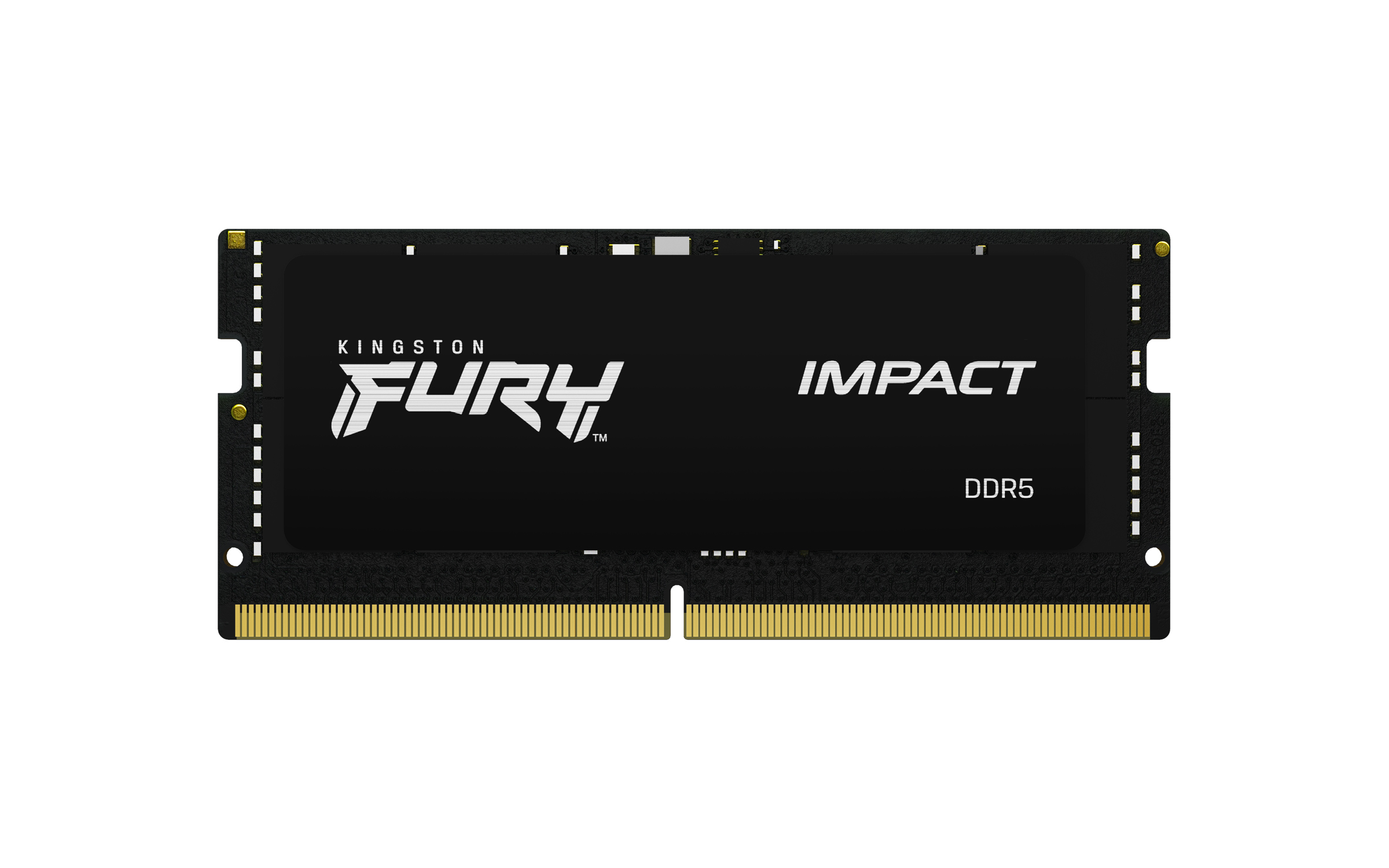
This also isn't happening in isolation. Pandromeda has covered the separate run-up in memory prices through 2026, which has already pushed laptop prices higher at PC makers. That DRAM-driven story and this TSMC-linked chip-pricing story have different root causes — one is about memory supply, the other about foundry wafer costs — but together they point toward a PC and GPU market where component costs are rising on multiple fronts heading into the holiday shopping season.
What's next
The most important open question is simple: will AMD or Intel confirm any of this on the record? Price increases of this kind are usually visible within weeks once they reach distributors, board partners, and retail listings, even without a formal press release — so expect confirmation or denial to arrive indirectly, through updated partner price lists and retail pricing, before either company addresses it directly. AMD's and Intel's next quarterly earnings calls (covering Q3 and Q4 2026) are also likely venues where analysts will press both companies on pricing and gross margin, given how directly this story touches profitability. Pandromeda will update this article if AMD, Intel, or TSMC issues an official statement, or if real-world retail and partner pricing confirms or contradicts the reported figures.
Frequently asked questions
Are AMD and Intel really raising chip prices in Q4 2026?
Both increases are currently reported, not confirmed. Trade press and supply-chain sources say AMD notified partners around September 17, 2026 to expect about a 10% increase on AI accelerators, Radeon GPUs and chipsets, and that Intel plans a roughly 10% CPU price increase around October 5, 2026. Neither company has issued an official statement confirming these figures.
Does AMD's reported price increase include Ryzen CPUs?
Initial reports list AI accelerators, Radeon graphics cards and motherboard chipsets as affected, with Ryzen CPUs reportedly left off the list. However, AMD's Ryzen dies are made at TSMC using similar advanced nodes, so some coverage cautions that Ryzen pricing could still change later even though it wasn't named in the September 17 notification.
Why are AMD and Intel raising prices?
Both increases are reportedly tied to rising manufacturing costs at TSMC, which fabricates most of AMD's and Intel's advanced chips. TSMC's own public disclosures describe a 5–10% wafer price increase for customers starting in 2027, which is a different timeline than the Q4 2026 dates reported for AMD and Intel.
When does the Intel price increase take effect?
Trade press reports point to on or around October 5, 2026, described as Intel's third round of CPU price increases since late 2025. Intel has not published an official press release confirming this date or percentage.
Will these price increases affect what I pay at retail?
That isn't yet clear. A wafer-cost or list-price increase upstream doesn't automatically translate into an equivalent retail price jump, since board partners, system builders and retailers can choose to absorb part of the cost, especially in competitive categories like GPUs. Watch retail and partner pricing in Q4 2026 for the clearest signal.
Is this the same story as 2026's RAM and laptop price increases?
No. The RAM and laptop price increases covered elsewhere on Pandromeda are driven by memory (DRAM/NAND) supply constraints. This story is about AMD and Intel's own chip list prices, reportedly driven by TSMC foundry wafer costs — a separate cause, even though both trends are pushing PC costs upward at the same time.
Sources
- Intel Reports Second-Quarter 2026 Financial Results (Intel IR)intc.com
- TSMC Reports Second Quarter EPS of NT$27.25 (TSMC official press release)pr.tsmc.com
- TSMC Investor Relations: Q2 2026 Quarterly Resultsinvestor.tsmc.com
- AMD Q2 2026 Earnings Release (Form 8-K, SEC EDGAR)sec.gov
- AMD Ryzen Desktop Processors (official product page)amd.com
Mara Lindqvist edits the hardware desk. She covers graphics cards, processors, memory and storage, the foundries and chip designers behind them, and what the numbers on a spec sheet mean for people choosing a PC. Specifications in her stories come from manufacturer spec pages and datasheets.