What Is Intel Wildcat Lake? Core Series 3, Explained
Intel's new entry-level 18A chip family brings Xe3 graphics and all-day battery claims to budget laptops and mini PCs, including the Framework Laptop 12.
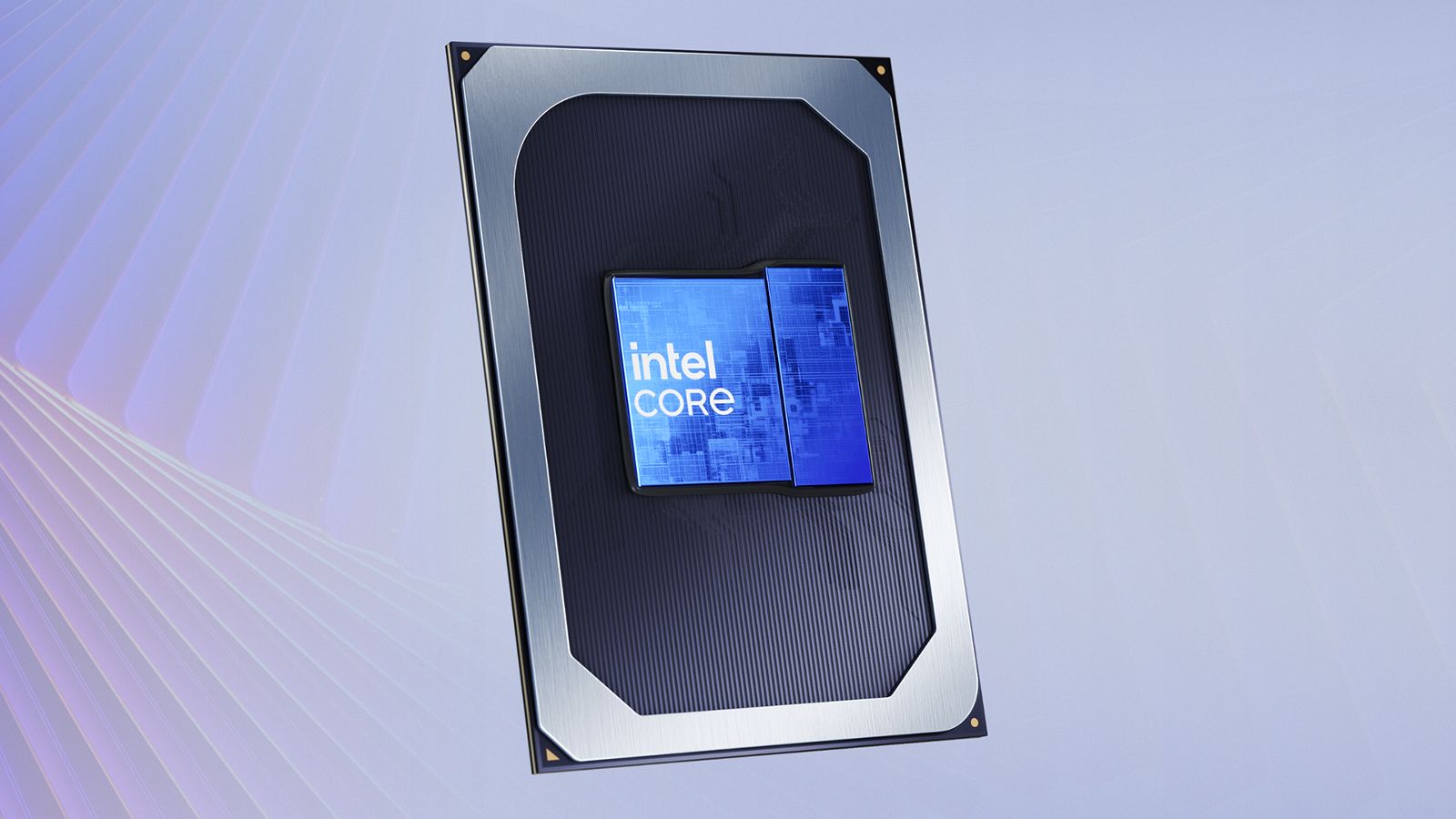
Intel Wildcat Lake is the codename for Intel Core Series 3, the chipmaker's entry-level mobile and edge processor family announced on April 16, 2026. It is built on the same Intel 18A manufacturing process and shares core design elements with the higher-end Core Ultra Series 3 ("Panther Lake") chips, but with fewer cores, a smaller integrated GPU and a lower price tag, aimed squarely at budget laptops, mini PCs, schools, small businesses and basic edge devices rather than premium "AI PC" flagships.
- Official name: Intel Core Series 3 (codename Wildcat Lake)
- Announced: April 16, 2026
- Process node: Intel 18A
- CPU design: Cougar Cove performance cores + Darkmont low-power efficiency cores (up to 6 cores total)
- Graphics: Intel Xe3 integrated graphics
- Platform AI: Up to 40 platform TOPS (Intel's figure)
- Positioning: Below Core Ultra Series 3 — value laptops, mini PCs, light edge/IoT systems
- Confirmed device: Framework Laptop 12 (Core 3, Core 5 and Core 7 configurations)
What Is Intel Wildcat Lake, Exactly?
Wildcat Lake is the development codename Intel used internally while designing this chip family, and Intel has since confirmed that codename publicly alongside the retail branding, Intel Core Series 3. In its own launch announcement, Intel describes Core Series 3 as being built for "value buyers," commercial customers and "essential edge" devices — schools, small businesses and families on the consumer side, and robotics, smart buildings, point-of-sale terminals and smart metering on the edge/industrial side.
That framing matters because it tells you exactly what Wildcat Lake is not: it is not Intel's flagship AI-PC chip. That job belongs to Core Ultra Series 3, codename Panther Lake, which Intel's own materials describe as the platform Wildcat Lake is "built on the foundations of." Wildcat Lake takes the same underlying building blocks — the same core architecture family and the same Intel 18A manufacturing process — and trims them down to hit a lower price point. If you're trying to decide which Intel chip family actually fits your budget and use case, our broader CPU buying guide for choosing between Intel and AMD in 2026 is a useful next stop once you understand where Wildcat Lake sits in Intel's lineup.
Release Date and Availability
Intel's newsroom post sets the timeline plainly: consumer and commercial systems from OEM partners started arriving April 16, 2026, with more designs rolling out "throughout the year." Edge-focused systems were slated for Q2 2026. Intel says it expects more than 70 partner designs to launch using Core Series 3 chips.
In practice, that means Wildcat Lake didn't arrive as a single splashy laptop launch — it showed up gradually, across a wide range of inexpensive machines from many manufacturers, which is typical for Intel's value-tier silicon. By the second half of 2026, it had reached enough design wins that device makers outside the usual budget-PC crowd — including boutique and repairable-laptop maker Framework — started offering it as well.
Wildcat Lake Specs: Cores, Process Node and Power
Intel manufactures the entire Core Series 3 family — both the CPU and the integrated GPU tile — on the Intel 18A process node, the same leading-edge node used for Panther Lake. That's notable for a budget-tier chip: Intel is not pushing Wildcat Lake onto an older, cheaper node the way it has with some past entry-level parts. The efficiency gains from 18A are part of how Intel is pitching this line as "all-day battery life" hardware even at low price points.
The CPU side uses a hybrid design built from two core types pulled from the same family as Panther Lake: Cougar Cove performance cores and Darkmont low-power efficiency cores. The entry part in the lineup, the Intel Core 3 processor 304, is the clearest confirmed data point available on Intel's own site:
- 5 total cores (1 performance core + 4 low-power efficiency cores), 5 threads
- Performance core: 1.5 GHz base, up to 4.3 GHz max turbo
- Low-power efficiency core: 1.4 GHz base, up to 3.3 GHz max turbo
- 6 MB Intel Smart Cache
- Processor base power 15 W; maximum turbo power 35 W; minimum assured power 10 W
- Manufactured on Intel 18A (both CPU and GPU)
- Memory support: up to 64 GB, LPDDR5X up to 7467 MT/s or DDR5 up to 6400 MT/s, over a single memory channel
- Launch window: Q2 2026
Intel's listing for that entry chip also confirms integrated NPU performance of 15 TOPS (INT8) and GPU AI performance of 9 TOPS (INT8) for that specific SKU. Intel has publicly named higher models in the stack, including the Core 7 350 and Core 7 360, as part of the same Core Series 3 launch, though Intel's own published materials for this piece don't break out every core/thread configuration across the full six-SKU range — anyone cross-shopping specific models should check each chip's individual page on Intel's product site, since configurations scale up from the entry Core 3 304 toward the Core 7 360 at the top.
Graphics and AI: Xe3 and the Platform NPU
Wildcat Lake's integrated graphics use Intel's Xe3 architecture — the same graphics generation found in Panther Lake, just with far fewer graphics cores. On the Core 3 304, Intel's own spec page lists a single Xe-core and a graphics max dynamic frequency of 2.3 GHz, which is a modest allotment intended for everyday productivity, video playback and light creative work rather than gaming.
At the platform level — CPU, GPU and NPU combined — Intel states Core Series 3 delivers up to 40 platform TOPS, positioning the family as Intel's first "hybrid AI-ready" Core Series processor rather than a Core Ultra-class AI PC chip. Intel's launch materials back that framing with comparative claims rather than raw hardware specs alone: versus a roughly five-year-old PC, Intel cites up to 47% better single-thread performance, up to 41% better multi-thread performance and up to 2.8x better GPU AI performance; versus the previous-generation Core 7 150U specifically, Intel claims up to 2.1x faster creation and productivity performance, up to 64% lower processor power, and up to 2.7x AI GPU performance. Those are Intel's own benchmark comparisons, tied to specific footnoted test configurations in its launch materials, not independent lab results, so treat them as directional rather than guaranteed real-world gains.
Wildcat Lake vs. Panther Lake vs. Lunar Lake
Wildcat Lake is easiest to place in context next to Intel's two most recent higher-tier mobile platforms: Panther Lake (Core Ultra Series 3, Intel's current flagship) and Lunar Lake (Core Ultra Series 2, the previous-generation efficiency-focused premium chip). This isn't meant as an exhaustive specs-for-specs matchup — Intel hasn't published a single document that lines up every SKU across all three families — but the structural differences are clear from Intel's own positioning of each line.
| Feature | Wildcat Lake (Core Series 3) | Panther Lake (Core Ultra Series 3) | Lunar Lake (Core Ultra Series 2) |
|---|---|---|---|
| Process node | Intel 18A | Intel 18A | Not Intel 18A (external foundry process) |
| CPU core design | Cougar Cove P-cores + Darkmont low-power E-cores | Cougar Cove P-cores + Darkmont E-core family, higher core counts | Lion Cove P-cores + Skymont E-cores (earlier core generation) |
| Integrated graphics | Intel Xe3 (small core count) | Intel Xe3 (larger, Arc-branded configurations) | Intel Xe2 (Arc-branded) |
| Platform AI | Up to 40 platform TOPS (Intel) | Intel's current top AI-PC tier | Intel's prior-generation AI-PC tier |
| Primary segment | Value laptops, mini PCs, basic edge/IoT | Mainstream-to-premium thin-and-light laptops | Premium ultra-thin, battery-focused laptops |
| Announced | April 16, 2026 | Early 2026 | September 2024 |
The short version: Wildcat Lake and Panther Lake are siblings built from the same architectural family and the same 18A process, with Wildcat Lake simply scaled down in core count and graphics size to hit lower prices. Lunar Lake, by contrast, is the previous generation entirely — a different core architecture, a different graphics generation and a different manufacturing process — and it remains Intel's premium efficiency play until Panther Lake's rollout is complete. If you're tracking where Intel's roadmap goes from here, including the chips that will eventually succeed this generation, our explainer on what's actually confirmed about Intel Nova Lake versus AMD Zen 6 covers the next rung up the roadmap.
Why Budget Laptops and Mini PCs Get It First
Intel's own pitch for Core Series 3 leans heavily on the idea that "AI PC"-class efficiency shouldn't be locked to premium price tags. By reusing the Panther Lake architecture's building blocks on the same cutting-edge 18A node, but with a smaller core count and GPU, Intel can sell these chips at lower prices while still claiming meaningful generational gains over the aging chips that have powered most sub-$700 laptops and mini PCs for the last few years.
That's also why mini PC and edge-device makers are a natural fit: a 15 W base power chip with a small footprint and solid single-thread performance is well suited to compact, fanless or lightly cooled boxes used for digital signage, point-of-sale systems, light office work and home media servers — exactly the categories Intel calls out in its own launch materials alongside everyday consumer laptops.
The Framework Laptop 12: A Confirmed Wildcat Lake Device
Among the clearest confirmed consumer devices to ship with Wildcat Lake is Framework's modular, repairable Framework Laptop 12, updated with Intel Core Series 3. Framework's own announcement, published August 18, 2026, confirms the new Laptop 12 is offered in Core 3, Core 5 and Core 7 configurations, built on Intel's 18A process, using the same Cougar Cove performance cores, Darkmont low-power efficiency cores and Xe3 graphics as Core Ultra Series 3 — just with fewer cores, matching Intel's own description of how Wildcat Lake relates to Panther Lake.
Framework's post also details what changed alongside the new chip: the two rear Expansion Card slots now support Thunderbolt 4 (the two front slots remain USB 3.2 Gen 2), memory moves to an upgradeable SO-DIMM supporting up to 64 GB of DDR5 at up to 6400 MT/s, wireless gets Intel's Wi-Fi 7 (R2) BE213 module, and Core 5 and Core 7 configurations add a fingerprint reader built into the power button plus a standard backlit keyboard (optional on DIY Edition builds). Framework reports pre-orders opened August 18, 2026, with the first batch shipping in October 2026, and pre-built Fedora Linux configurations starting at $699. In early internal battery testing with the Core 5 320 configuration, Framework reported roughly 70% longer battery life streaming 4K Netflix video compared with the original Laptop 12's Core i5-1334U chip — a company-reported figure, not an independently verified benchmark.
Framework's decision to put Wildcat Lake in a $500-and-up repairable laptop, rather than only in rock-bottom budget boxes, is itself a signal: Intel's value-tier 18A chips are good enough, and efficient enough, that even a company built around premium repairability and modularity sees them as worth adopting rather than skipping straight to a Core Ultra chip.
Shopping Around Wildcat Lake
If a budget laptop or mini PC lands on your desk with "Intel Core 3," "Core 5" or "Core 7" branding and no "Ultra" in the name, there's a decent chance it's running a Wildcat Lake chip. That's useful shorthand: Intel has deliberately kept the "Ultra" label reserved for its higher Core Ultra Series 3 (Panther Lake) and Core Ultra Series 2 (Lunar Lake) chips, so the absence of "Ultra" on a 2026-era Intel laptop spec sheet is one of the simplest signals that you're looking at the value tier rather than the flagship one. Shoppers weighing a cheap Intel machine against a similarly priced AMD laptop should also check our rundown of what's confirmed so far about AMD's Zen 6 release date and specs, since AMD's own budget and mainstream chips are the most likely competitors Wildcat Lake devices will be cross-shopped against this generation.
Frequently Asked Questions
Is Wildcat Lake the same as Core Series 3? Yes — Wildcat Lake is Intel's internal development codename, and Intel Core Series 3 is the retail branding Intel uses for the same chip family.
Is Wildcat Lake an "AI PC" chip like Panther Lake? Not in the same tier. Intel positions it as "hybrid AI-ready," with up to 40 platform TOPS, below the AI-PC-class positioning of Core Ultra Series 3.
What laptops use Wildcat Lake? Intel says more than 70 OEM designs are expected across 2026. The Framework Laptop 12 is one confirmed, officially documented example, offered in Core 3, Core 5 and Core 7 configurations.
What's Next, and Should You Care?
Wildcat Lake isn't the chip to chase if you want Intel's best integrated graphics or its highest-TOPS AI PC experience — that's still Panther Lake's job. But if you're shopping in the $500–$1,000 laptop range, or looking at a compact mini PC for basic computing, digital signage or light edge deployment, it's worth knowing that the chip inside might share real architectural DNA — the same 18A process, the same core families, the same Xe3 graphics generation — with Intel's current flagship, just scaled down. That's a meaningfully different story than past generations of Intel's cheapest chips, which often ran a process node or two behind the premium lineup.
The practical test will be how broadly OEMs adopt it through the rest of 2026, and whether Intel keeps the Wildcat Lake naming convention — Core 3/5/7 without "Ultra" — consistent enough that shoppers can reliably use it as a quick positioning cue. For now, the clearest real-world proof point is Framework's own Laptop 12, which gives a concrete, officially documented example of what a Wildcat Lake upgrade looks like in a shipping product rather than a slide deck.
Frequently asked questions
Is Wildcat Lake the same thing as Intel Core Series 3?
Yes. Wildcat Lake is Intel's internal development codename, and Intel Core Series 3 is the retail branding Intel uses for the same chip family, which Intel confirmed in its own launch materials.
What process node is Wildcat Lake built on?
Intel 18A, the same leading-edge node used for the higher-end Core Ultra Series 3 (Panther Lake) chips, according to Intel's own product pages.
Is Wildcat Lake an AI PC chip like Panther Lake?
Not in the same tier. Intel calls it its first hybrid AI-ready Core Series processor, with up to 40 platform TOPS, which sits below the AI-PC-class positioning of Core Ultra Series 3.
What devices use Wildcat Lake?
Intel says more than 70 OEM designs are expected across 2026 for value laptops, mini PCs and basic edge systems. The Framework Laptop 12, offered in Core 3, Core 5 and Core 7 configurations, is one officially confirmed example.
How is Wildcat Lake different from Lunar Lake?
Lunar Lake (Core Ultra Series 2) is the previous generation, using Lion Cove and Skymont cores with Xe2 graphics on a different manufacturing process. Wildcat Lake uses the newer Cougar Cove and Darkmont core family with Xe3 graphics on Intel 18A, but in a smaller, lower-cost configuration than Panther Lake.
Sources
Mara Lindqvist edits the hardware desk. She covers graphics cards, processors, memory and storage, the foundries and chip designers behind them, and what the numbers on a spec sheet mean for people choosing a PC. Specifications in her stories come from manufacturer spec pages and datasheets.