How to Check Battery Health on Android: Pixel and Samsung Galaxy
Where to find battery health, capacity and cycle count on Pixel and Galaxy phones, what the results mean, when to replace the battery and how to slow wear with 80% charge limits.
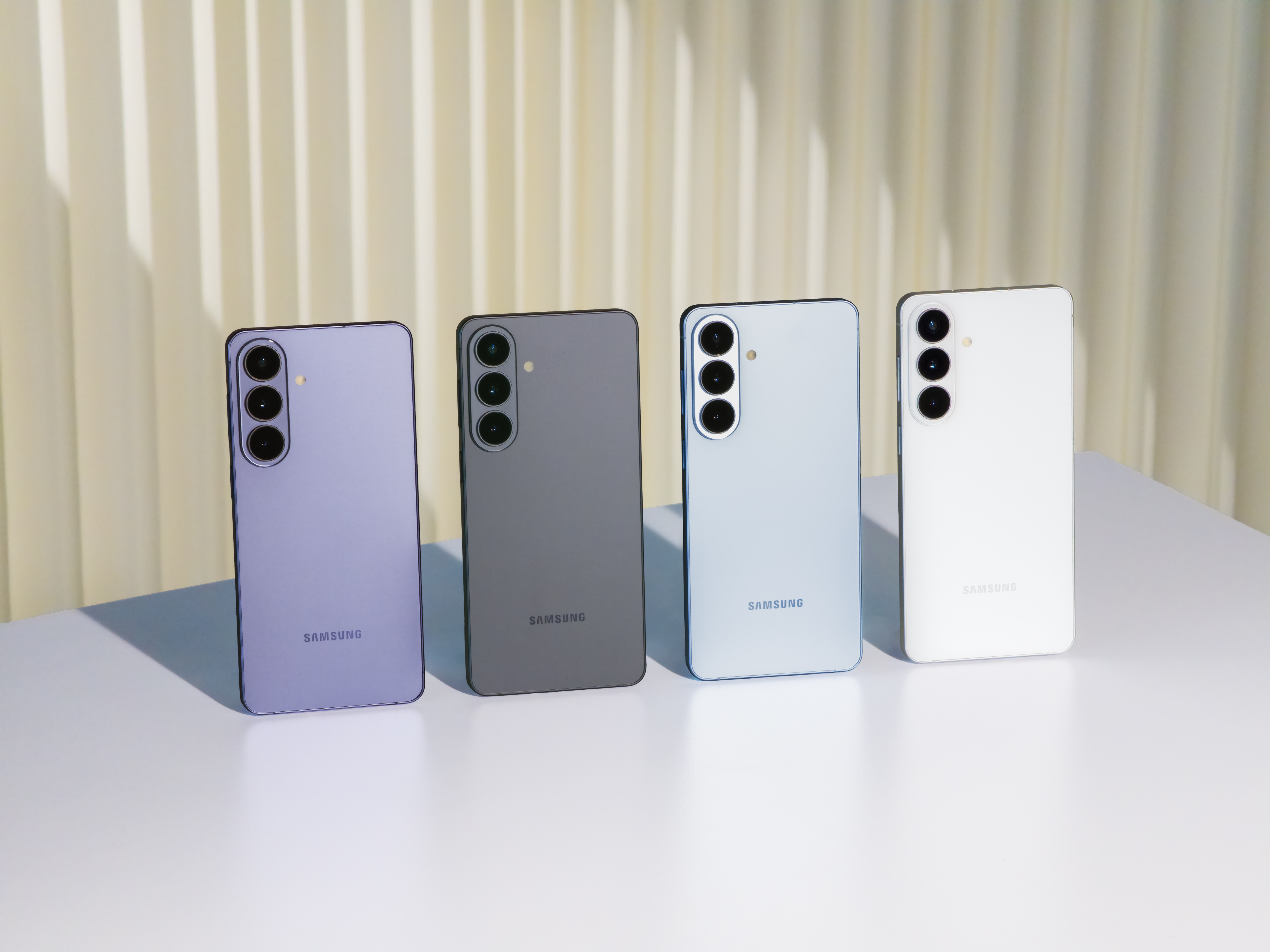
Android does not have one universal battery health screen, so where you look depends on who made your phone. On a Google Pixel 8a or newer, open Settings, then Battery, then Battery health; on a Samsung Galaxy, run Phone diagnostics in the Samsung Members app. Both tell you whether your battery is still in good shape or due for replacement.
Key facts
- Pixel 8a and later: Settings > Battery > Battery health shows “Normal” or “Reduced” plus an estimated capacity
- Pixel cycle count: Settings > About phone > Battery information (Pixel 8a and later)
- Samsung Galaxy: Samsung Members > Support > Phone diagnostics > Battery status shows “Normal,” “Weak” or “Bad”
- Replace when: Google recommends replacement below 80% capacity or after 1,000 cycles on Pixel 8a and later
- Protect it: Pixel “Limit to 80%” and Samsung “Battery protection” both cap charging to reduce wear
What battery health actually means
Every phone battery wears out. Google’s Pixel battery explainer puts it plainly: lithium-ion batteries have a limited number of charge cycles, and temperature, charging habits and usage all reduce capacity over time. Lower capacity means shorter runtime and, in extreme heat or cold, a weaker ability to deliver power.
“Battery health” is simply an estimate of how much charge your battery can hold now compared with when it was new. A related number, the charge cycle count, tracks how much the battery has been used. Google defines one cycle as a full discharge and recharge, counted cumulatively: using a Pixel from 100% down to 50% and charging it back to 100% counts as half a cycle.
Knowing both numbers helps with three decisions: whether a battery replacement will fix poor battery life, whether a used phone is a good buy, and whether it is time to change your charging habits.
How to check battery health on a Google Pixel
Google added a built-in battery health screen to newer Pixels. According to Google’s support page, it is available on the Pixel 8a and later, and not on the Pixel Tablet.
Step 1: Open Battery health
- Open the Settings app.
- Tap Battery.
- Tap Battery health.
Step 2: Read the status
You will see one of three statuses:
- Normal: battery capacity is within normal limits.
- Reduced: estimated capacity has fallen below 80%. Google recommends considering a battery replacement.
- Unavailable: the phone cannot determine the battery status.
Step 3: Check the estimated capacity
For the percentage figure, tap Battery > Battery health > Battery capacity. Google notes that initial battery health values are based on lab results and may differ from your battery’s actual state.
Step 4: Check the cycle count and battery age
- Open Settings.
- Tap About phone > Battery information.
On Pixel 8a and later, this screen shows the cycle count, plus the battery’s manufacture date and date of first use. Google points out that the first-use date can be earlier than the day you bought the phone, because of quality checks at the factory.
Older Pixels are more limited. Google says the Pixel 6a, Pixel 7, Pixel 7 Pro, Pixel 7a, Pixel 8 and Pixel 8 Pro do not show a battery health status.
When should you replace a Pixel battery?
Google publishes rated cycle counts for each generation of Pixel. Its guidance is to replace the battery when capacity drops below 80% or when the phone reaches its rated cycle count, whichever comes first.
| Pixel model | Designed to retain up to 80% capacity for | Google’s replacement guidance | Battery health screen |
|---|---|---|---|
| Pixel 3 to Pixel 8 Pro, Pixel Fold | About 800 charge cycles | Below 80% capacity or 800 cycles | Not shown on Pixel 6a to Pixel 8 Pro |
| Pixel 8a and later (including Pixel 11 series) | About 1,000 charge cycles | Below 80% capacity or 1,000 cycles | Yes: Settings > Battery > Battery health |
| Pixel Tablet | Not listed | Not listed | Not available |
Google also notes that the phone’s warranty covers defective batteries during the warranty period, alongside any rights under local consumer law.
What is Battery health assistance on Pixel?
If you have noticed your Pixel’s battery life dip slightly after a couple of years, this is one reason. Google’s Battery health assistance gradually adjusts the battery’s maximum voltage as it ages, starting at 200 charge cycles and continuing in stages up to 1,000 cycles. Google says this stabilises performance and ageing, but you may see small decreases in runtime and slight changes in charging speed.
- It is available on the Pixel 6a and later, but not on Pixel Tablet.
- On the Pixel 9a and later, it is on by default and cannot be turned off.
- On the Pixel 6a through Pixel 9 Pro Fold, you can switch it on or off at Settings > Battery > Battery health > Battery health assistance. Google recommends leaving it on.
How to check battery health on a Samsung Galaxy
Samsung’s published instructions do not use a battery health percentage in Settings. Instead, Samsung’s official battery status guide points you to a diagnostic test in the Samsung Members app.
Step 1: Open Samsung Members
Open the Samsung Members app and tap the Support tab at the bottom.
Step 2: Run Phone diagnostics
Tap Get started under Phone diagnostics. Samsung’s US support page describes the same step as tapping Test all, so the label may differ slightly by app version.
Step 3: View the Battery status result
When the diagnostic finishes, tap the Battery status icon. Samsung uses three results:
- Normal: no issues with the battery.
- Weak: battery efficiency may have decreased because of use or environmental conditions.
- Bad: battery life has significantly degraded. Samsung advises visiting a Samsung service centre.
New in One UI 9: Warranty and Care
Galaxy phones updated to One UI 9 get a second route. Samsung’s One UI 9 announcement says a new Warranty and Care menu in Settings lets you run self-diagnostics, view repair estimates and book a service appointment. Availability varies by country. If your phone has not received One UI 9 yet, our One UI 9 rollout tracker lists the latest dates.
Pixel vs Samsung battery tools at a glance
| What you want | Google Pixel | Samsung Galaxy |
|---|---|---|
| Health status | Settings > Battery > Battery health (Pixel 8a+) | Samsung Members > Support > Phone diagnostics > Battery status |
| Status labels | Normal, Reduced, Unavailable | Normal, Weak, Bad |
| Capacity estimate | Battery health > Battery capacity | Not shown as a percentage |
| Cycle count | About phone > Battery information (Pixel 8a+) | Not shown in Samsung’s published steps |
| Charge limit | Charging optimization > Limit to 80% (Pixel 6a+) | Battery protection > Maximum (80% on One UI 6.1+) |
| Smart overnight charging | Adaptive Charging | Adaptive battery protection |
How to limit charging to 80% on a Pixel
Keeping a battery at 100% for long periods adds wear. Google’s guide to getting the most life from a Pixel battery describes two options under Charging optimization:
- Open Settings.
- Tap Battery > Battery health > Charging optimization.
- Turn on Use charging optimization.
- Choose Adaptive Charging or Limit to 80%.
- Adaptive Charging learns your routine (Google says it needs about 14 days) and finishes charging to 100% about an hour before you usually unplug.
- Limit to 80% stops at 80%. It is available on Pixel 6a and later and suits people who usually end the day with charge left.
One detail matters for accurate readings: Google says a Pixel needs a full charge every 10th cycle to keep its capacity estimate accurate, even with Limit to 80% switched on. Leave it plugged in for at least 30 minutes after the screen shows 100%.
Separately, Pixels running Android 11 or later automatically cap charging at about 70% to 80% in some situations, such as continuous charging in high temperatures or for several days, and show a “Protecting your battery” notification.
How to use Battery protection on a Samsung Galaxy
Samsung’s equivalent is called Battery protection. Samsung’s guide to getting the most out of a Galaxy battery places it under Settings.
- Open Settings and tap Battery.
- Tap Battery protection and turn it on.
- Choose an option.
- Basic: charging stops at 100% and resumes when the battery drops to 95%.
- Adaptive: the phone uses Maximum while you sleep and switches to Basic before you wake, charging to 100% about an hour before your estimated wake time.
- Maximum: charging stops at 80%. Samsung Canada’s support page shows a slider for choosing your own maximum level and notes that 80%, 85% or 90% can all help reduce wear; available options vary by model and region.
Samsung says phones on software older than One UI 6.1 only offer a single option, which limits the maximum charge to 85%.
What about OnePlus, Xiaomi, Motorola and other Android phones?
Android does not require manufacturers to show battery health in a standard place, so menus vary by brand and software version. A reliable approach:
- Open Settings and search for “battery health” or “battery information.”
- Check About phone for a battery section, which is where Google puts the cycle count on Pixels.
- Look for the manufacturer’s own support or diagnostics app, as Samsung does with Samsung Members.
- If nothing is available, your phone maker’s support page or an authorised repair centre can run a battery test.
If you use a third-party battery app, treat its figures as estimates and confirm with the manufacturer’s own diagnostics before paying for a repair.
Tips to slow battery wear
These tips come from Google’s and Samsung’s own guidance:
- Keep it cool. Google recommends charging in a cool place, around 25°C (78°F), and avoiding six hours or more in ambient temperatures above 35°C (95°F).
- Avoid sitting at 100%. Use Limit to 80% on Pixel, or Battery protection on Galaxy.
- Use a proper charger. Google recommends a compatible USB-C PD or PPS charger.
- Store it half full. If you are putting a phone away for more than 30 days, Google says to store it with at least 50% charge.
- Keep software updated. Both Google and Samsung list keeping software up to date among their battery tips.
- Watch for swelling. Google warns against pressing on or prying open a phone with a swollen battery; take it for repair instead.
If you are shopping for a new phone because the battery has worn out, our Pixel 11 vs Galaxy S26 comparison lines up the two flagships’ battery capacities and charging speeds.
Bottom line
On a Pixel 8a or newer, Settings > Battery > Battery health gives you a status, a capacity estimate and, under About phone, a cycle count. On a Samsung Galaxy, Samsung Members’ Phone diagnostics gives a Normal, Weak or Bad verdict, and One UI 9 adds diagnostics to Settings. If your Pixel says “Reduced” or your Galaxy says “Bad,” it is time to look at a replacement: Google says a new battery increases runtime and improves performance in hot or cold conditions.
Frequently asked questions
How do I check battery health on Android?
It depends on the brand. On a Pixel 8a or later, go to Settings > Battery > Battery health. On a Samsung Galaxy, open Samsung Members, tap Support and run Phone diagnostics, then check Battery status.
Can older Pixel phones show battery health?
Google says the Pixel 6a, 7, 7 Pro, 7a, 8 and 8 Pro do not show a battery health status. The Battery health screen is available on Pixel 8a and later.
What does “Reduced” battery health mean on a Pixel?
It means the estimated battery capacity has fallen below 80% of the original. Google recommends considering a battery replacement.
How many charge cycles does a Pixel battery last?
Google says Pixel 8a and later should retain up to 80% capacity for about 1,000 cycles, and Pixel 3 through Pixel 8 Pro and Pixel Fold for about 800 cycles.
Does Samsung show a battery health percentage?
Samsung’s published method is the Phone diagnostics test in Samsung Members, which reports Normal, Weak or Bad rather than a percentage.
Should I limit charging to 80%?
Both Google and Samsung offer an 80% limit to reduce battery wear. It suits people who usually end the day with charge left; turn it off when you need a full charge.
Sources
- Google Pixel Help: Understand your Pixel batterysupport.google.com
- Google Pixel Help: Get the most life from your Pixel phone batterysupport.google.com
- Samsung UK Support: How to check the battery status on your Samsung Galaxy phonesamsung.com
- Samsung US Support: Get the most out of your Galaxy phone or tablet batterysamsung.com
- Samsung Singapore Support: Galaxy Battery protection featuresamsung.com
Nadia Osei covers mobile and consumer gadgets for Pandromeda: smartphones, tablets, smartwatches, earbuds and smart-home devices. She tracks launches, software updates and pricing across Apple, Google, Samsung and the rest, and builds comparisons from the manufacturers' published specifications.