Why SSD Prices Are Surging in 2026 as AI Squeezes NAND Supply
NAND flash contract prices jumped as much as 60% in early 2026 and Micron killed its Crucial consumer line as AI datacenters buy up enterprise SSD supply.
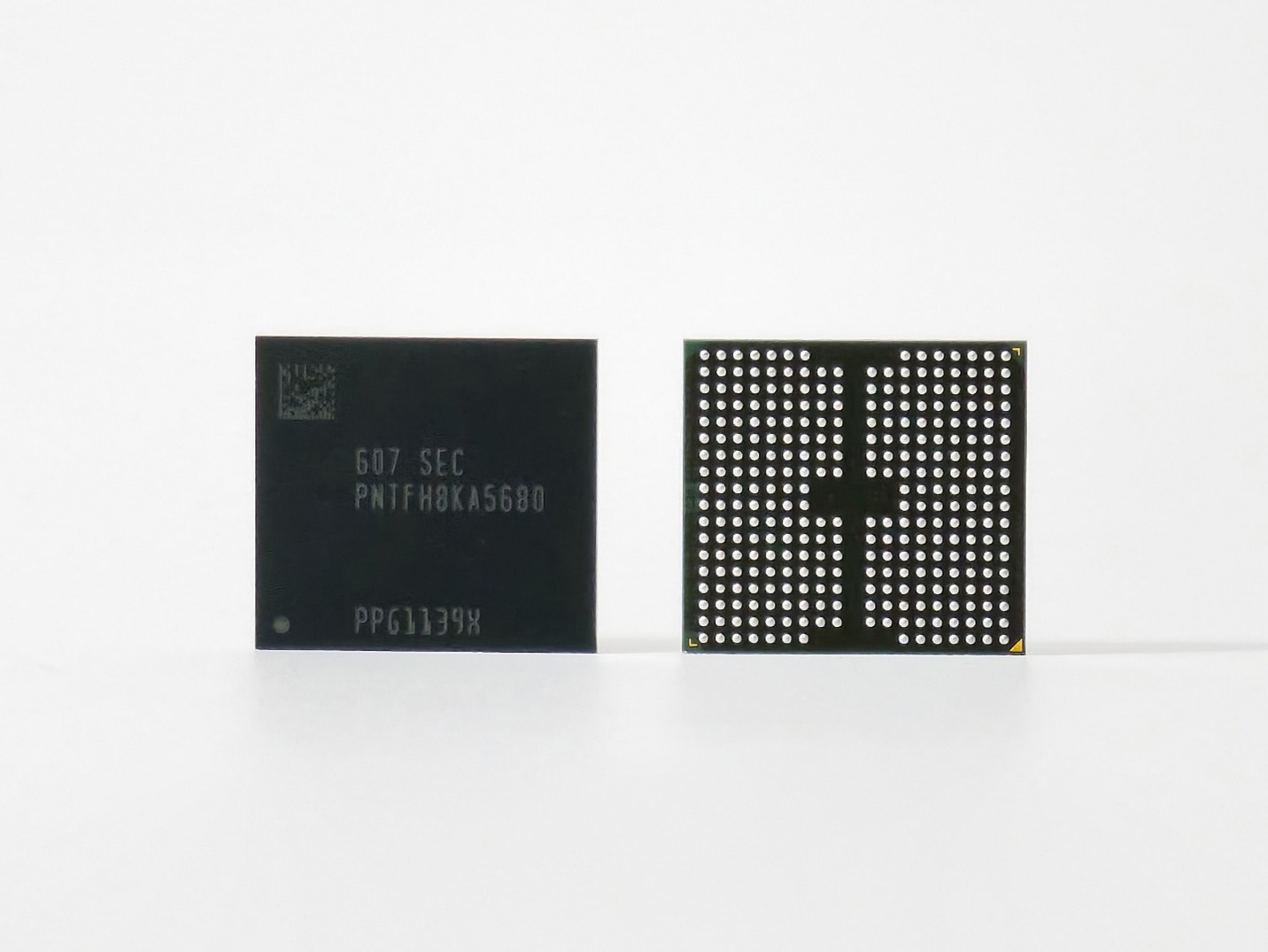
SSD prices are climbing across nearly every capacity tier in 2026 because the same AI-driven NAND flash shortage that pushed RAM prices to record highs is now squeezing storage just as hard. TrendForce, the Taiwan-based semiconductor research firm, first forecast that NAND flash contract prices would rise 33-38% quarter-over-quarter in the first quarter of 2026 — then revised that estimate sharply upward to 55-60% as cloud providers stockpiled enterprise SSDs for AI inference workloads. Micron made the shortage impossible to ignore by shutting down its nearly three-decade-old Crucial consumer SSD and memory brand in February 2026, redirecting that manufacturing capacity to AI data center customers. For anyone shopping for a 1TB or 2TB NVMe drive in September 2026, the practical result mirrors what happened to RAM: less consumer-grade supply, higher list prices, and no quick fix on the horizon.
- TrendForce's NAND flash contract price forecast for Q1 2026 was revised from an initial 33-38% quarter-over-quarter increase up to 55-60% as AI-driven demand outpaced expectations.
- Enterprise SSD contract prices specifically were forecast to rise 53-58% QoQ in Q1 2026 — a record quarterly jump, per TrendForce.
- Micron shut down its Crucial consumer SSD and memory business by the end of February 2026, citing AI-driven data-center demand for memory and storage.
- The top five enterprise SSD vendors' combined revenue hit an estimated $37.59 billion in Q2 2026, up 103.6% quarter-over-quarter, TrendForce reports.
- TrendForce expects the pace of NAND price increases to moderate to 10-15% QoQ in Q3 2026 as PC-maker inventories and consumer demand soften — prices are still rising, just more slowly, and remain at record highs.
What's Happening to SSD Prices in 2026
Every major NAND flash maker — Samsung, SK hynix (including its Solidigm subsidiary), Micron, Kioxia and SanDisk (formerly part of Western Digital) — is reporting the same pattern in 2026: contract prices for NAND flash chips, the memory chips inside every SSD, are rising at a pace none of them have seen before, and the increases are landing hardest on enterprise-grade drives bound for AI data centers. That has a direct knock-on effect for anyone buying a consumer SSD, because contract prices for the raw NAND wafers feed directly into what drive makers charge retailers, and retailers pass at least some of that along to shoppers.
The shortage isn't a rumor or a single company's marketing spin. SK hynix's own newsroom confirmed the company posted record quarterly revenue of 79.3187 trillion Korean won in the second quarter of 2026 — up 51% from the prior quarter and 257% year-over-year — and attributed the jump directly to "significant quarter-over-quarter increases" in NAND flash prices alongside sustained AI infrastructure demand.
How Much NAND and SSD Prices Have Actually Risen
TrendForce publishes quarterly contract-price forecasts and revises them as new data comes in. Its 2026 numbers show both how fast prices moved and how consistently the firm had to revise its own estimates upward. All figures below are TrendForce's own estimates or reported outcomes, not confirmed transaction prices for any single product — actual prices vary by buyer, volume and contract terms.
| Period | NAND flash contract price move | Source and notes |
|---|---|---|
| Q1 2026 (initial forecast, Jan. 5) | +33-38% QoQ overall; client SSDs +40% or more | TrendForce estimate |
| Q1 2026 (revised forecast, Feb. 2) | +55-60% QoQ overall; enterprise SSDs +53-58% | TrendForce revised its own Jan. 5 estimate upward, citing North American cloud providers stockpiling for AI inference |
| Q1 2026 (reported outcome) | Top 5 NAND suppliers' combined revenue +83.7% QoQ | TrendForce, reflects both price and shipment volume, published May 25 |
| Q2 2026 (reported outcome) | Top 5 enterprise SSD vendors' revenue +103.6% QoQ to $37.59B | TrendForce estimate, published Sept. 1 |
| Q3 2026 (forecast) | +10-15% QoQ | TrendForce estimate, published July 3 — pace cooling as client SSD and smartphone demand soften |
Micron's own fiscal-quarter reporting lines up with TrendForce's numbers. In its fiscal third-quarter 2026 results, Micron reported NAND prices rose in the "mid-80s percentage range" sequentially, and data-center SSD revenue topped $5 billion for the quarter, more than doubling from the prior quarter.
Why AI Data Centers Are Draining NAND Supply
The short version: training and running large AI models doesn't just need GPUs and high-bandwidth memory, it needs somewhere to persistently store enormous datasets, model checkpoints, and — increasingly — the "KV cache" data that agentic AI systems generate as they reason through long tasks. That workload is best served by enterprise SSDs built for capacity, endurance and throughput, not by the consumer drives found in laptops and gaming PCs.
SK hynix's Q2 2026 results illustrate how fast that segment is growing inside a single company: enterprise SSD revenue doubled quarter-over-quarter, revenue from high-capacity enterprise SSDs of 30 terabytes or more more than tripled, and Solidigm — SK hynix's enterprise-storage subsidiary — saw its high-capacity QLC SSD revenue triple in the same period. According to TrendForce's Sept. 1 enterprise SSD market report, the segment's growth was also fueled by Nvidia GB-series AI server shipments, which pull enterprise SSDs into new systems alongside GPUs and HBM.
Because Samsung, SK hynix and Micron manufacture both DRAM and NAND flash on the same constrained fab capacity, the AI boom is squeezing both memory types at once. That's the same underlying dynamic Pandromeda covered in its look at 2026's RAM price surge — the difference is that NAND flash and DRAM are chemically and functionally distinct chip types, manufactured on different production lines, which is why SSD pricing deserves its own analysis rather than being treated as a RAM story with a different label.
Micron's Crucial Shutdown: The Clearest Sign of the Squeeze
If one event crystallized the 2026 SSD shortage for ordinary shoppers, it was Micron's decision to exit the consumer storage and memory market entirely. Micron announced in December 2025 that it would wind down its Crucial-branded consumer business — the SSDs, DRAM modules and portable storage sold through retail and e-commerce worldwide — with shipments continuing only through the end of its fiscal second quarter, February 2026.
In its own investor relations announcement, Micron's EVP and Chief Business Officer Sumit Sadana said plainly: "The AI-driven growth in the data center has led to a surge in demand for memory and storage." Micron said it would keep supporting warranty service for existing Crucial customers and continue serving enterprise and commercial buyers under the Micron brand, but the consumer-facing Crucial line — one of the best-known budget SSD and RAM brands for nearly 30 years — is gone. That removes a major source of competitively priced consumer NAND from the market at the exact moment supply is tightest.
Enterprise SSDs vs. Consumer SSDs: Where the Chips Are Going
NAND flash makers aren't hiding where their priorities lie. TrendForce's Sept. 1 report on the enterprise SSD market shows just how much revenue is now concentrated in data-center-grade drives.
| Vendor | Q2 2026 enterprise SSD revenue (est.) | QoQ change |
|---|---|---|
| Samsung | $14.35 billion | Sharp ramp-up |
| SK hynix Group (incl. Solidigm) | $8.63 billion | Strong growth |
| Micron | $6.98 billion | +126.3% |
| Kioxia | $4.64 billion | Roughly doubled |
| SanDisk | $2.98 billion | +102.9% |
| Top 5 total | $37.59 billion | +103.6% |
Figures are TrendForce estimates based on vendor shipment and pricing data, not vendors' own audited segment disclosures unless otherwise noted.
TrendForce's separate analysis of the two companies' 2026 strategy — published July 31 — put a number on how much of each company's NAND business is now enterprise-focused: SK hynix's SSD share of total NAND revenue rose from around 50% in Q2 2025 to the 60% range in Q1 2026 and roughly 70% in Q2 2026. Samsung, for its part, expects enterprise SSDs to account for more than 60% of its 2026 NAND revenue, up more than 20 percentage points year-over-year. Neither company's stated 2026 roadmap prioritizes consumer-segment volume growth.
How Samsung and SK hynix Are Responding
Rather than simply raising prices, both leading NAND makers are racing to add higher-density, higher-layer-count NAND that yields more capacity per wafer — which is the only way to meaningfully grow supply without building entirely new fabs, a multi-year process.
Samsung used the Flash Memory Summit 2026 conference to detail its V10 BV-NAND, which the company says is the industry's first NAND flash built past 400 layers, using next-generation wafer-bonding technology. According to Samsung Semiconductor's own newsroom, mass production of V10 NAND was slated to begin in August 2026, explicitly positioned to serve AI storage demand. Samsung has also said it plans to more than double shipments of QLC-based (higher-density, lower-cost-per-bit) enterprise SSDs in the second half of 2026 compared with the first half.
SK hynix, meanwhile, is pushing its 321-layer TLC NAND to become roughly half of its domestic production capacity by the end of 2026, according to its Q2 2026 results announcement, while its Solidigm subsidiary leans on QLC NAND to serve the highest-capacity enterprise SSD tier. Both companies' language is consistent: more layers, more capacity per wafer, and a persistent tilt toward enterprise and AI-server customers over consumer volume.
What It Means If You're Buying an SSD Right Now
Consumer, or "client," SSD prices don't move in perfect lockstep with the contract-price numbers above — retailers work through existing inventory before repricing, and promotions can mask underlying cost increases for a while. But TrendForce's own January forecast explicitly called for client SSD contract prices to rise by at least 40% quarter-over-quarter in Q1 2026, meaning consumer drives were never insulated from this cycle the way some earlier NAND shortages left them. With Crucial gone from store shelves and Samsung, SK hynix and Micron all prioritizing enterprise allocation, shoppers have fewer competing consumer brands bidding for the NAND that is available.
If you're building or upgrading a PC in late 2026 — including systems built around AI-focused desktop GPUs such as Nvidia's RTX Spark — budget for storage costing meaningfully more than it did in 2025, and expect fewer discounts on 1TB and 2TB NVMe drives than in a typical year. TrendForce's own forecast has price increases continuing, just at a slower pace, through at least the third quarter of 2026, with no manufacturer currently projecting a return to pre-2025 consumer SSD pricing.
When Will SSD Prices Come Back Down?
Not soon, according to the same firm that has been tracking this cycle most closely. TrendForce's July 3 memory market forecast shows the rate of increase cooling — NAND contract prices were projected to rise "only" 10-15% quarter-over-quarter in Q3 2026, down from Q1's 55-60% jump — because PC makers built up large inventories earlier in the year and are now resisting further price hikes. That's a deceleration in the rate of increase, not a price decline: NAND contract prices are still going up each quarter, just more slowly, and they remain at the highest levels TrendForce has recorded.
A genuine reversal looks further off. TrendForce's broader supply outlook projects the NAND flash market will run a supply shortfall of roughly 4-5% through all of 2026, with the supply-demand balance not expected to turn positive until the second half of 2027, as new fab capacity — including expansion from Chinese suppliers — gradually catches up to AI-driven demand. Until that capacity comes online, enterprise and AI customers are expected to keep outbidding consumer channels for available NAND flash.
The Bottom Line
SSD prices in 2026 are being reshaped by the same forces reshaping RAM: AI data centers need enormous amounts of memory and storage, the same handful of companies make both, and consumer buyers are now competing with hyperscale cloud providers for a limited supply of wafer capacity. Readers comparing notes on the parallel DRAM shortage can see how the two markets diverge and overlap in Pandromeda's explainer on DDR6 RAM's upcoming transition, since new DRAM standards and NAND capacity upgrades are both part of manufacturers' response to the same AI boom. For now, expect elevated SSD prices, thinner consumer product lineups, and continued reporting from TrendForce and the memory makers themselves as the clearest way to track where this goes next.
Frequently asked questions
Why are SSD prices going up in 2026?
AI data centers need huge amounts of enterprise-grade SSD storage for training, inference and agentic AI workloads. That demand is pulling NAND flash manufacturing capacity away from consumer SSDs. TrendForce initially forecast NAND flash contract prices would rise 33-38% quarter-over-quarter in Q1 2026, then revised that estimate up to 55-60% as the shortage worsened.
How much have NAND flash and SSD prices actually increased?
TrendForce's revised Q1 2026 forecast put overall NAND flash contract prices up 55-60% quarter-over-quarter, with enterprise SSD prices specifically up 53-58%. Micron's own fiscal third-quarter 2026 results reported NAND prices rising in the mid-80s percent range sequentially. TrendForce expects the pace to slow to 10-15% quarter-over-quarter by Q3 2026.
Why did Micron shut down its Crucial brand?
Micron announced in December 2025 that it would exit the Crucial consumer SSD, DRAM and portable storage business worldwide by the end of February 2026. In its investor relations announcement, Micron executive Sumit Sadana said AI-driven data center demand for memory and storage had surged, and the company chose to redirect manufacturing capacity to enterprise and AI customers.
Will SSD prices come back down in 2026?
Not according to TrendForce's own forecasts. The firm projects NAND flash contract price increases will slow to 10-15% quarter-over-quarter in Q3 2026, down from Q1's 55-60% jump, but that is still a price increase, not a decline. TrendForce's supply outlook does not expect the NAND market's supply-demand balance to turn positive until the second half of 2027.
Are enterprise SSDs or consumer SSDs seeing bigger price increases?
Enterprise SSDs are seeing the steepest increases and getting priority for limited NAND capacity — Samsung expects enterprise SSDs to be more than 60% of its 2026 NAND revenue, and SK hynix's SSD share of NAND revenue rose to roughly 70% by Q2 2026, per TrendForce. But TrendForce's own January 2026 forecast also called for consumer client SSD contract prices to rise at least 40% quarter-over-quarter in Q1 2026, so consumer drives are not shielded from the increases.
Is the SSD price surge the same as the 2026 RAM price surge?
They are related but distinct. Both are driven by AI data center demand and produced by the same handful of manufacturers — Samsung, SK hynix and Micron — squeezing overall fab capacity. But NAND flash (used in SSDs) and DRAM (used in RAM) are different chip technologies made on different production lines, so SSD and RAM pricing move somewhat independently even though both are rising for similar underlying reasons.
Sources
- Micron Investor Relations: Micron Announces Exit from Crucial Consumer Businessinvestors.micron.com
- SK hynix Newsroom: SK hynix Announces 2Q26 Financial Resultsnews.skhynix.com
- TrendForce: Memory Price Outlook for 1Q26 Sharply Upgradedtrendforce.com
- TrendForce: Higher Prices and Shipments Drive Top Five Enterprise SSD Vendors' Revenue to Nearly US$37.59 Billion in 2Q26trendforce.com
- TrendForce: NAND Flash Supply Growth to Outpace Demand in 2027trendforce.com
- Micron Investor Relations: Reports Record Results for the Third Quarter of Fiscal 2026investors.micron.com
Mara Lindqvist edits the hardware desk. She covers graphics cards, processors, memory and storage, the foundries and chip designers behind them, and what the numbers on a spec sheet mean for people choosing a PC. Specifications in her stories come from manufacturer spec pages and datasheets.