What Is Qi2 Wireless Charging? Phones, Speeds and Qi vs Qi2
Qi2 adds MagSafe-style magnets and up to 25W speeds to wireless charging, so here is how it differs from Qi, which phones support it, and how fast it really charges.

Qi2 is the wireless charging standard built around Apple's MagSafe-style magnets, and as of late 2026 it comes in two speeds: a 15W baseline and a faster "Qi2 25W" tier that delivers roughly 70% more power than the original tier. It works by snapping a phone onto a charger with a built-in ring of magnets so the coils line up automatically, instead of the hit-or-miss placement of old Qi pads. Most 2025–2026 flagship phones from Apple, Samsung and Google now carry some form of Qi2 support, though the top 25W speed and built-in magnets are not guaranteed on every model — several Android flagships still need a magnetic case to use Qi2 properly.
- Qi2 adds a magnetic "Magnetic Power Profile" (MPP) to the Qi wireless standard, based on Apple's MagSafe design.
- The original Qi2 spec tops out at 15W; the newer Qi2 25W revision (Qi v2.2.1) raises that to 25W.
- iPhone 16 through iPhone 18 models, Google's Pixel 10 Pro XL and Pixel 11 line, and the Galaxy S26 Ultra all support 25W Qi2 charging.
- Several Android phones, including the base Galaxy S25/S26, support Qi2 only with an added magnetic case rather than built-in magnets.
What is Qi2 wireless charging?
Qi2 is a wireless charging specification maintained by the Wireless Power Consortium (WPC), the industry group that also runs the original Qi standard used in phones since the early 2010s. The WPC describes Qi2 as offering "faster 15W charging" along with magnetic attachment that "aligns devices and chargers perfectly for improved energy efficiency, faster charging, and easier usability," according to the consortium's own Qi overview page.
The headline feature is magnets. Qi2's optional Magnetic Power Profile places a ring of magnets around the charging coil in both the phone and the charger, so the two snap into perfect alignment the moment they touch. That solves the single biggest complaint about first-generation Qi charging: coils that were even slightly misaligned charged slowly, generated extra heat, or didn't charge at all. The magnetic design was adapted from Apple's MagSafe system, which Apple introduced with the iPhone 12 in 2020 and later contributed as the technical basis for Qi2's magnetic profile.
Only products that pass WPC certification can carry the Qi2 logo, so a charger or phone advertising Qi2 support should be backed by an actual compliance test, not just marketing language referencing magnets.
How Qi2 is different from the original Qi standard
The core difference is alignment and the power ceiling that alignment unlocks. The original Qi standard (dating back to 2010, with a 15W Extended Power Profile added later) let phones charge wirelessly without any magnets, which made placement finicky and generally limited real-world charging to 7.5–10W on a phone even when the pad was rated higher. Qi2's Magnetic Power Profile keeps the same basic induction technology but adds the magnetic ring, which the WPC says improves both efficiency and achievable speed because the coils are always perfectly centered.
Qi2 is also backward compatible: a Qi2 charger will still charge an older Qi-only phone, just without magnetic snap and at the older, lower speeds, and a Qi2 25W charger will charge an original 15W Qi2 device at up to 15W rather than 25W. The reverse also holds; an old non-magnetic Qi charger will charge a Qi2 phone, just without the alignment benefit.
In short: "Qi" is the broad wireless-charging family going back over a decade; "Qi2" is the newer, magnetic generation of it; and "Qi2 25W" is a specific faster revision of Qi2, not a separate standard.
Qi2 25W: the faster revision
In July 2025 the Wireless Power Consortium published Qi v2.2.1, marketed as "Qi2 25W," which raises the maximum wireless power transfer from 15W to 25W. The WPC's own announcement describes it as "nearly 70% more charging power" than the original Qi2 tier, and says a compatible phone and charger pair can take a phone from 0% to 50% battery in "about 30 minutes" under the right conditions.
That 25W ceiling needs more than just a labeled charger — it requires a strong enough USB-C power adapter feeding the charging puck (most official 25W chargers specify a 30–45W PPS-capable adapter), a phone that itself supports the 25W tier, and a charger that is Qi2 25W certified rather than only basic Qi2 (many existing "Qi2" pads on the market are still capped at 15W even after the new spec arrived, since certification is per-product). Qi2 25W chargers remain backward compatible, charging older Qi2 devices at their original 15W ceiling.
Which phones support Qi2, as of November 2026
Support for Qi2 splits into two separate questions for any given phone: does it support the Qi2 magnetic profile at all, and if so, does it reach the 15W tier or the newer 25W tier? Apple's own specifications and vendor product pages give the clearest answers for current flagships:
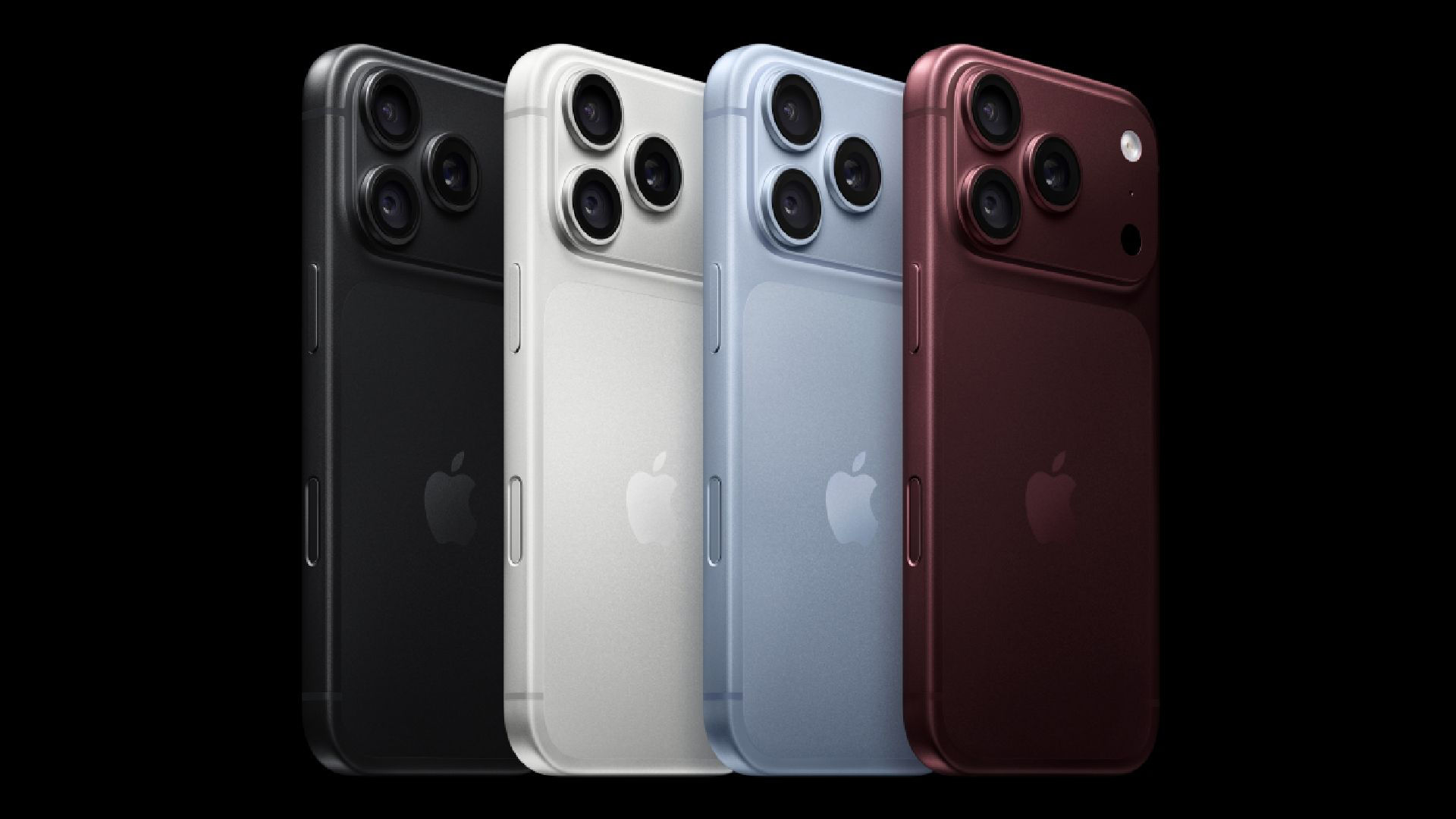
- Apple iPhone: iPhone 16 and later models support Qi2's magnetic profile with built-in MagSafe magnets. iPhone 16 launched with 15W Qi2 charging; a revised MagSafe Charger pushed the iPhone 16 lineup to 25W in 2025, and Apple's own technical specifications page for the iPhone 18 Pro lists both "MagSafe wireless charging up to 25W" and "Qi2 wireless charging up to 25W," with a 35W-or-higher adapter needed to reach a 50% charge in about 30 minutes.
- Samsung Galaxy S25/S26 series: Samsung markets these as "Qi2 ready," but — unlike iPhone and Pixel — they lack built-in alignment magnets, so Samsung sells a Qi2-ready magnetic case alongside its chargers. Per Samsung's own product listing for its Qi2 25W Magnet Wireless Charger, the Galaxy S26 Ultra is rated for the full 25W, the Galaxy S26+ for 20W, and the base Galaxy S26 for 15W, and a case is advised for magnetic alignment on Galaxy phones.
- Google Pixel 10 and Pixel 11 series: Google calls its built-in-magnet implementation "Pixelsnap." According to Google's own Pixelsnap Charger product listing, the Pixel 10, Pixel 10 Pro and Pixel 10 Pro Fold support Qi2 at up to 15W, while the Pixel 10 Pro XL was the first Pixel to reach the 25W tier. The newer Pixel 11 line (Pixel 11, 11 Pro, 11 Pro XL and 11 Pro Fold) extended 25W support across the whole family.
- Other Android phones: A growing number of Android handsets outside the Samsung and Google flagship lines advertise Qi2 certification, but coverage and wattage vary by model and region, so it's worth checking a specific phone's own spec sheet for "Qi2" and its wattage figure rather than assuming support.
| Phone | Built-in Qi2 magnets? | Max Qi2 speed |
|---|---|---|
| iPhone 16 / 16 Pro | Yes | Up to 25W (with newer MagSafe Charger) |
| iPhone 17 / 17 Pro / 17 Pro Max | Yes | Up to 25W |
| iPhone 18 Pro / Pro Max | Yes | Up to 25W |
| Galaxy S26 | No (needs Qi2-ready case) | Up to 15W |
| Galaxy S26+ | No (needs Qi2-ready case) | Up to 20W |
| Galaxy S26 Ultra | No (needs Qi2-ready case) | Up to 25W |
| Pixel 10 / 10 Pro / 10 Pro Fold | Yes (Pixelsnap) | Up to 15W |
| Pixel 10 Pro XL | Yes (Pixelsnap) | Up to 25W |
| Pixel 11 series (all models) | Yes (Pixelsnap) | Up to 25W |
If you're weighing which flagship to buy partly on charging speed, it's worth reading the fuller spec rundown for the Galaxy S26 Ultra against the OnePlus 15, since charging hardware is only one piece of the comparison.
Which chargers support Qi2
Any charger sold as "Qi2" should carry the WPC's Qi2 logo, which the consortium says is only licensed to certified products. Within that, buyers need to check wattage specifically:
- Apple MagSafe Charger (current version): Apple's current MagSafe Charger is Qi2 25W certified and reaches up to 25W on compatible iPhones when paired with a sufficiently powerful USB-C adapter.
- Google Pixelsnap Charger: Google's official charger reaches up to 25W on Qi2.2-certified Pixel phones (Pixel 10 Pro XL and the Pixel 11 series) and up to 15W on Qi2.0-certified Pixel models, according to Google's own product listing, with a 35W-or-higher adapter recommended for the 25W tier.
- Samsung's Qi2 25W Magnet Wireless Charger: Samsung's own listing describes "25W super-fast wireless charging," paired with an official 45W adapter (or another 45W PPS adapter) for full speed, and recommends a Qi2-ready case for Galaxy phones that lack built-in magnets.
- Third-party chargers: Many accessory makers sell Qi2-branded pads and stands, but a large share of older stock is certified only to the original 15W Qi2 tier rather than Qi2 25W, so the wattage — not just the word "Qi2" — is what to check before buying.
How fast does Qi2 actually charge a phone?
Charging speed on Qi2 depends on three things lining up at once: the phone's own maximum wireless input, the charger's certified output tier, and the wall adapter feeding the charger. All three have to support the higher number for a phone to actually see 25W.
At the baseline 15W tier, Qi2 behaves close to how good wired charging felt several years ago — noticeably faster than older, non-magnetic Qi pads, which in practice often delivered closer to 7.5–10W to a phone even when a box advertised a higher wattage, largely because of coil misalignment. At the 25W tier, the WPC's own figures put a 0–50% charge at around 30 minutes under ideal conditions — broadly comparable to a mid-tier wired fast charger, though still generally slower than the fastest wired charging most of these same flagships support over USB-C.
Real-world speeds also vary with battery temperature, case thickness (thick cases can block magnetic snap or add resistance), and whether the charger is resting flat versus on a stand. None of the three figures above — phone limit, charger tier, adapter output — is optional; under-spec on any one and the whole chain drops to the lowest common denominator.
Is it worth upgrading to Qi2 25W?
For anyone already on a 15W Qi2 phone and charger, the jump to 25W mainly matters if faster top-ups matter to you specifically — the magnetic snap and alignment convenience, which is the bigger quality-of-life change for most people, is identical at both wattages. For Samsung Galaxy owners specifically, the practical decision is less about wattage and more about whether to add a magnetic case at all, since the phones themselves don't include the alignment magnets the way iPhone and Pixel do.
If you're shopping for a new flagship and wireless charging speed is a deciding factor, it's worth checking a phone's own listed Qi2 wattage rather than assuming "Qi2 support" means the fastest tier — as the chart above shows, that figure still varies a lot between a base model and its Ultra or Pro Max sibling, much like other spec gaps covered in our Xiaomi 18 Pro Max vs. iPhone 17 Pro Max comparison.
Qi2 also isn't the only wireless standard getting a magnetic or convenience-focused update recently — for a look at how a similar revision played out in audio, see our explainer on Bluetooth Auracast and LE Audio broadcast.
Bottom line
Qi2 is the magnetic, MagSafe-derived generation of wireless charging now standard across current iPhone, Pixel and Galaxy flagships, and "Qi2 25W" (formally Qi v2.2.1) is the faster revision of that same standard rather than a separate one. The honest summary for shoppers: check the specific wattage a phone and charger each support before assuming 25W, expect roughly 30 minutes to 50% at the fastest tier under good conditions, and remember that on several Android flagships the magnets live in an added case rather than the phone itself.
Frequently asked questions
What is Qi2 wireless charging?
Qi2 is a wireless charging standard from the Wireless Power Consortium that adds a magnetic alignment ring (based on Apple's MagSafe design) to Qi charging, letting a phone snap into perfect position on a charger. The original Qi2 tier charges at up to 15W; a newer Qi2 25W revision raises that ceiling to 25W.
How is Qi2 different from the original Qi standard?
The original Qi standard charges wirelessly without magnets, so placement on the pad has to be precise or speed and efficiency suffer. Qi2 adds a magnetic ring that automatically centers the phone on the charger, which the Wireless Power Consortium says improves both efficiency and achievable charging speed.
What is Qi2 25W?
Qi2 25W, formally Qi v2.2.1, is a July 2025 revision from the Wireless Power Consortium that raises Qi2's maximum wireless power from 15W to 25W, which the consortium describes as about 70% more power than the original Qi2 tier.
Which phones support Qi2 25W as of November 2026?
Apple's iPhone 16 through iPhone 18 Pro models, Google's Pixel 10 Pro XL and the full Pixel 11 line, and the Samsung Galaxy S26 Ultra all support the 25W Qi2 tier, according to each company's own product pages. Other models in those same lineups, such as the base Galaxy S26 and Pixel 10, top out at 15W or 20W.
Do all Qi2 phones have the alignment magnets built in?
No. iPhone and Google's Pixelsnap-branded Pixel phones have the magnets built in, but Samsung's Galaxy S25 and S26 phones do not; Samsung instead sells a separate Qi2-ready magnetic case to use with its Qi2 chargers.
How fast does Qi2 actually charge a phone?
At the 15W tier, Qi2 charges noticeably faster and more consistently than older non-magnetic Qi pads, which often delivered only 7.5-10W in practice due to coil misalignment. At the 25W tier, the Wireless Power Consortium says a compatible phone and charger can reach 50% battery in about 30 minutes, provided the phone, charger and USB-C power adapter all support the higher wattage.
Sources
- Wireless Power Consortium: Qi and Qi2 overviewwirelesspowerconsortium.com
- Wireless Power Consortium: Qi2 25W news releasewirelesspowerconsortium.com
- Apple: iPhone 18 Pro Technical Specificationsapple.com
- Samsung: Qi2 25W Magnet Wireless Charger product pagesamsung.com
- Google Store: Pixelsnap Charger product pagestore.google.com
- Wikipedia: Qi (standard)en.wikipedia.org
Nadia Osei covers mobile and consumer gadgets for Pandromeda: smartphones, tablets, smartwatches, earbuds and smart-home devices. She tracks launches, software updates and pricing across Apple, Google, Samsung and the rest, and builds comparisons from the manufacturers' published specifications.