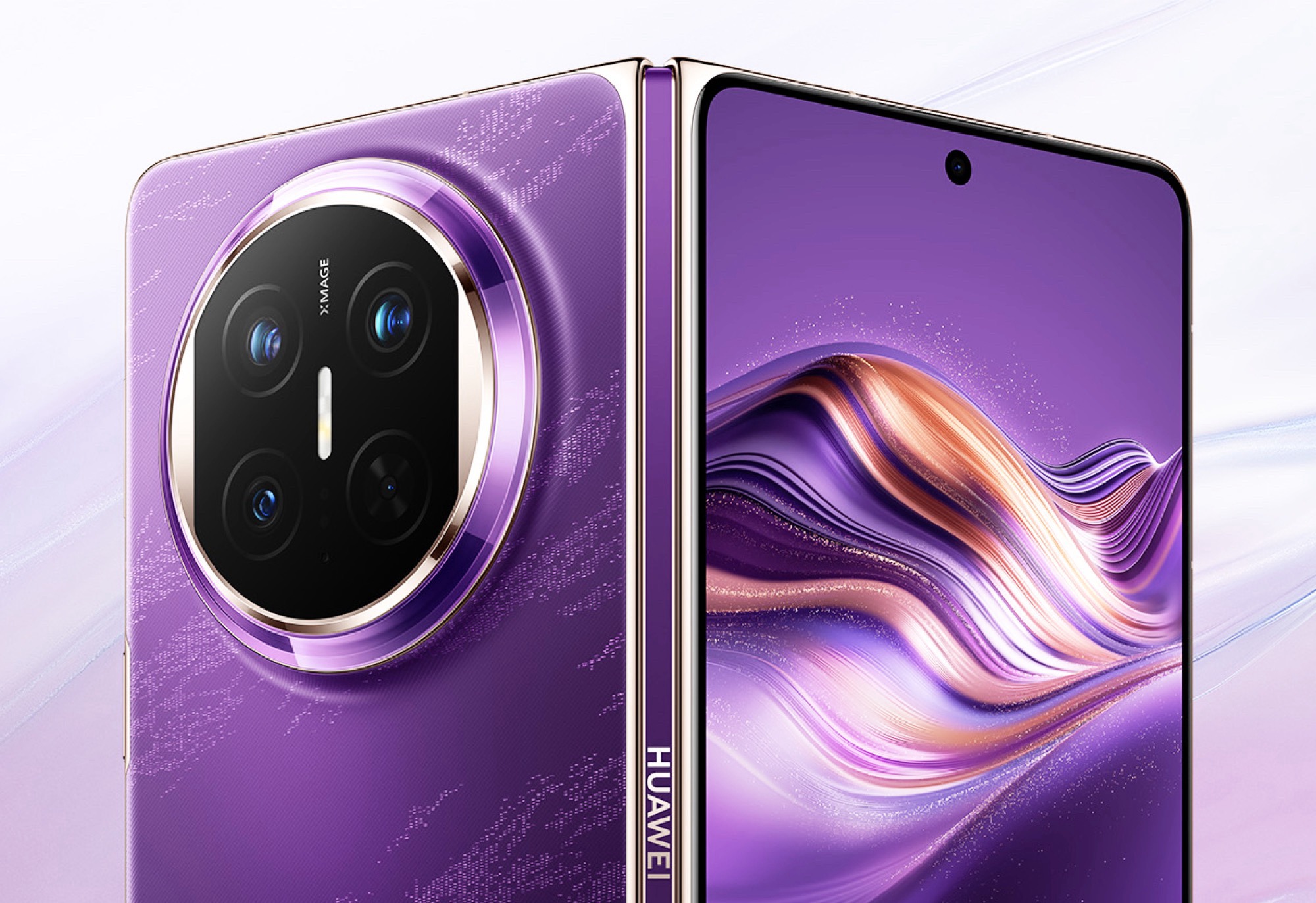
iPhone 18 Pro Max vs Galaxy S26 Ultra: Specs, Price, Camera
Apple and Samsung both list their new flagships at about $1,299. Here is how the real specs, cameras and battery claims compare, straight from each company.
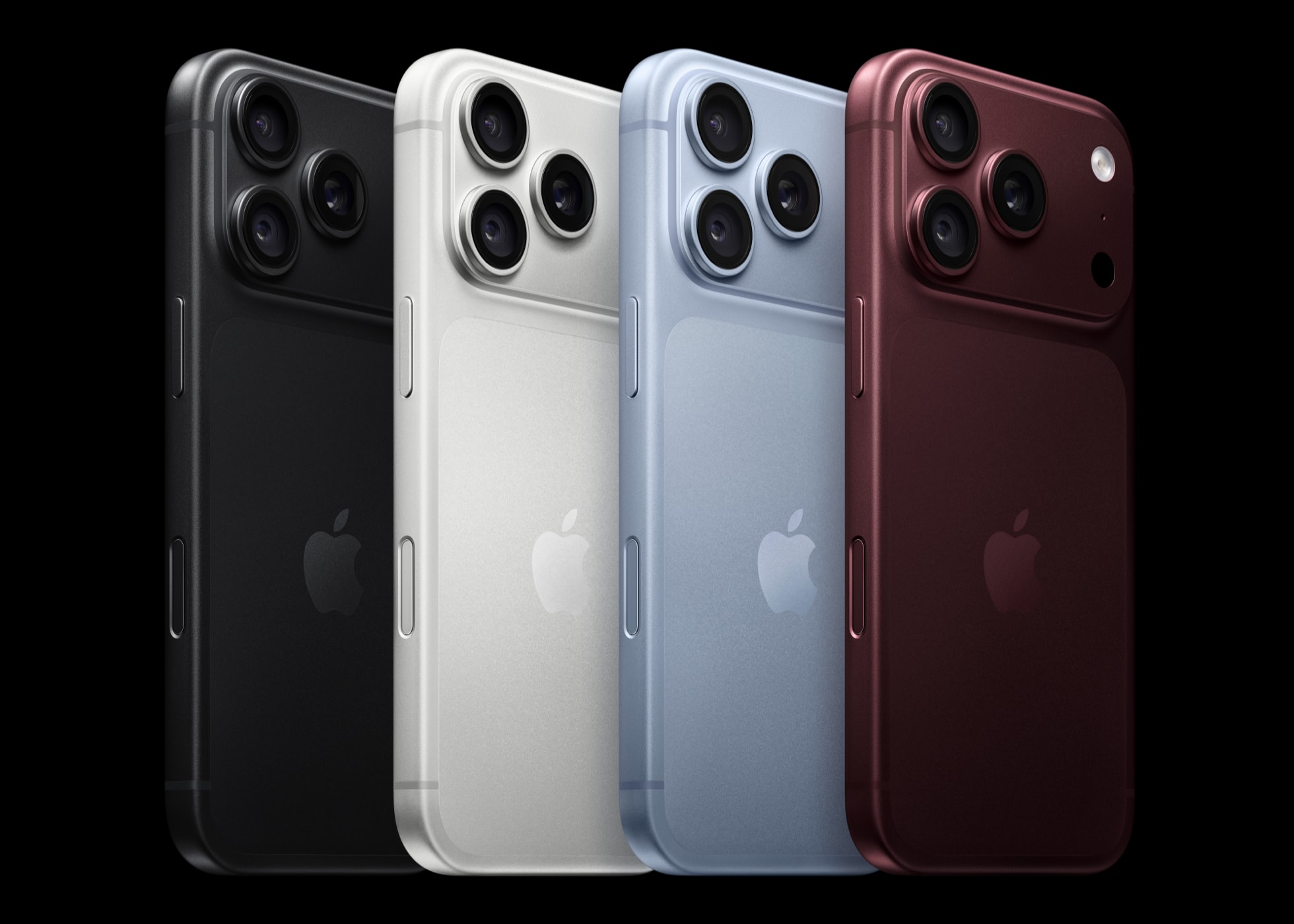
The iPhone 18 Pro Max and the Galaxy S26 Ultra are now both shipping, and the short version is this: Apple's phone wins on raw chip horsepower and video-recording battery life, while Samsung's phone wins on camera-sensor spread (a 200MP main sensor and four rear lenses) and offers a larger top storage tier. Apple starts at $1,299 for 256GB; Samsung also starts at $1,299.99 for 256GB. Below is what each company's own pages and press materials actually say, side by side, so you can decide which flagship fits how you shoot, charge and pay.
Specs at a Glance
Both phones were announced this year as each maker's top-tier flagship: Apple debuted the iPhone 18 Pro and iPhone 18 Pro Max on September 9, 2026, and Samsung introduced the Galaxy S26 series at its February 2026 Unpacked event. Here is how the two Ultra-tier phones compare on paper, pulled directly from Apple's and Samsung's own spec sheets.
| Spec | iPhone 18 Pro Max | Galaxy S26 Ultra |
|---|---|---|
| Starting price (256GB) | $1,299 | $1,299.99 |
| Chip | Apple A20 Pro (2nm, 6-core CPU, 7-core GPU) | Snapdragon 8 Elite Gen 5 for Galaxy |
| Display | 6.9" OLED Super Retina XDR, 2868x1320, up to 120Hz, 3000-nit outdoor peak | 6.9" AMOLED with built-in Privacy Display, 120Hz (exact resolution/peak brightness not published by Samsung) |
| Rear cameras | 48MP main, 48MP ultra-wide, 48MP tetraprism telephoto (3 lenses, 5 effective focal lengths to 8x optical-quality) | 200MP main, 50MP ultra-wide, 50MP telephoto (5x), 10MP telephoto (3x) — 4 lenses |
| Front camera | 18MP Center Stage, f/1.9 | 12MP, f/2.2 |
| Battery | Up to 45 hrs video playback (not disclosed in mAh) | 5,000mAh; up to 31 hrs video playback |
| Charging | 50% in ~15 min (60W-capable adapter) | 75% in ~30 min (Super Fast Charging 3.0) |
| Storage tiers | 256GB / 512GB / 1TB / 2TB | 256GB / 512GB / 1TB |
| RAM | Not published by Apple | 12GB (256GB, 512GB) / 16GB (1TB) |
| Weight | 249g | 214g |
| Build | Aluminum unibody, Ceramic Shield 2 front/back, IP68 | Armor Aluminum frame, Gorilla Glass (IP rating not listed on Samsung's own spec page) |
- Both start at the same $1,299-ish price for 256GB — this is an apples-to-apples budget decision, not a price-tier one.
- Apple publishes a 2868x1320 OLED panel with disclosed brightness figures; Samsung's own US pages for the S26 Ultra do not list exact resolution or peak-nit figures at the time of writing.
- Samsung's camera array has more lenses and a much higher-resolution main sensor (200MP vs 48MP); Apple's camera array uses fewer, larger-aperture lenses with a tetraprism design for its longest zoom.
- Apple is the only one of the two to publish a storage tier above 1TB (2TB) for this generation.
Price and Storage: What You Actually Pay
Apple's newsroom confirms U.S. pricing of $1,199 for the iPhone 18 Pro and $1,299 for the iPhone 18 Pro Max, both for the base 256GB configuration, or financed at $54.12 a month over 24 months for the Max. Storage scales up through 512GB, 1TB and 2TB, though Apple's own pages do not publish the exact price of each higher tier in the material we could confirm — check Apple's iPhone 18 Pro product page directly before buying if the exact 1TB or 2TB price matters to you.
Samsung's own U.S. product page lists the Galaxy S26 Ultra starting at $1,299.99 for 256GB with 12GB of RAM, rising to $1,499.99 for 512GB (also 12GB RAM) and $1,799.99 for the 1TB model, which steps up to 16GB of RAM. Samsung's buy page was showing a limited-time Black Friday discount at the time of our research; promotional pricing changes frequently, so treat any discounted figure as temporary rather than the phone's standing price.
Net result: at the entry tier, these two phones are priced within a rounding error of each other. The real budget question is how much storage you need — Samsung tops out at 1TB, Apple goes to 2TB for the Pro Max if you're a heavy 4K/8K video shooter or keep a large offline media library.
Design and Display
Apple's tech-specs page for the iPhone 18 Pro Max lists a 6.9-inch all-screen OLED "Super Retina XDR" display at 2868x1320 resolution (460ppi), with adaptive ProMotion refresh up to 120Hz, 1000 nits typical max brightness, 1600 nits for HDR content, and a 3000-nit outdoor peak. The front is covered in what Apple calls "Ceramic Shield 2," paired with Ceramic Shield on the back and an aluminum unibody frame; the phone is rated IP68 and weighs 249 grams.
Samsung's S26 Ultra also carries a 6.9-inch panel, but its standout display feature this generation is a built-in Privacy Display — Samsung's marketing frames it as an industry-first screen-privacy mode baked into the glass rather than a third-party film. Samsung's own U.S. pages describe "ProScaler AI" upscaling and a claimed 4x increase in color-depth processing precision, but — unlike Apple — do not publish the panel's native resolution or peak brightness in nits on the consumer spec page we reviewed. The S26 Ultra uses an Armor Aluminum frame with Gorilla Glass front and back and weighs 214 grams, noticeably lighter than the iPhone 18 Pro Max's 249 grams. If you've compared Samsung's prior generation before, our Galaxy S26 Ultra vs. iPhone 17 Pro Max breakdown covers how this year's Ultra differs from the previous iPhone generation too.
Chips and Performance
Apple's A20 Pro is built on a 2-nanometer process and pairs a 6-core CPU (2 performance, 4 efficiency) with a 7-core GPU that includes Neural Accelerators and hardware-accelerated ray tracing, plus a dual 16-core Neural Engine. Apple's newsroom release claims the GPU is up to 40% faster than the previous A19 Pro and that memory bandwidth is up 50% generation over generation, alongside a redesigned vapor chamber Apple says delivers up to a 40% gain in sustained performance.
Samsung's S26 Ultra ships in the U.S. with a "Snapdragon 8 Elite Gen 5 for Galaxy" chip that Samsung's own page says delivers a 39% faster NPU, a 24% improved GPU and a 19% faster CPU than the Galaxy S25 Ultra, backed by a vapor chamber Samsung claims is 21% more thermally efficient than before. Both companies are comparing their new chip only against their own prior generation, not against each other, so there is no single apples-to-apples benchmark number from either company to cite here — any head-to-head benchmark claim you see elsewhere is a third-party test, not a figure either company has published itself.
Camera Systems Compared
This is where the two phones diverge most in approach. Apple's iPhone 18 Pro Max uses three physical rear lenses that Apple's spec sheet stretches into five effective focal lengths: a 48MP Fusion Main sensor (24mm) with a variable aperture from f/1.48 to f/4.0 and sensor-shift stabilization, which also yields a 12MP "optical-quality" 2x crop; a 48MP Ultra Wide (13mm, f/2.2, 120° field of view); and a 48MP Fusion Telephoto using a tetraprism design (100mm, 4x optical, f/2.8) that also yields a 12MP "optical-quality" 8x crop. Apple lists a 16x optical-quality zoom range and up to 40x digital zoom, with an 18MP f/1.9 Center Stage front camera.
Samsung's S26 Ultra instead uses four distinct physical lenses: a 200MP Wide sensor at f/1.4 (with a 2x optical-quality crop mode), a 50MP Ultra Wide at f/1.9, a 50MP Telephoto at f/2.9 offering 5x optical and 10x "optical-quality" zoom, and a 10MP Telephoto at f/2.4 for 3x optical zoom. Samsung's page advertises up to 100x "AI-powered" zoom at the far end, and a 12MP f/2.2 front camera. Neither company's own materials include independent resolution charts, low-light lux ratings or side-by-side sample photos comparing the two systems directly — those exist only in third-party lab tests, which this piece does not rely on.
In short: Apple leans on fewer, larger-aperture sensors and a tetraprism zoom lens; Samsung leans on more lenses and a much higher nominal megapixel count on its main sensor, plus a longer (if increasingly digital/AI-assisted) maximum zoom claim. Readers who've followed Samsung's Ultra line against Apple's non-Max Pro model may also want our iPhone 18 Pro vs. iPhone 17 Pro comparison for how this year's smaller Pro model's camera stacks up against last year's.
Battery Life and Charging
Apple states the iPhone 18 Pro Max is rated for up to 45 hours of local video playback, up to 40 hours of streamed video playback, and up to 30 hours of "typical use," without publishing an exact battery capacity in mAh on its consumer spec page. Wired charging reaches 50% in about 15 minutes with a 60W-capable adapter, according to Apple.
Samsung publishes a concrete number for the S26 Ultra: a 5,000mAh battery rated for up to 31 hours of video playback. Samsung's Super Fast Charging 3.0 reaches 75% in about 30 minutes with a compatible charger. Because Apple measures "video playback hours" and Samsung measures both a raw mAh figure and its own hours figure, the two companies' battery-life claims aren't built the same way and shouldn't be read as a precise apples-to-apples number — but on each company's own stated hours, Apple's claimed video-playback ceiling (45 hours) is meaningfully higher than Samsung's (31 hours).
Software and AI Features
Apple's iPhone 18 Pro Max ships with iOS 27, which Apple made available as a free update starting September 14, 2026, bringing Apple Intelligence features across the Pro lineup along with a redesigned, smaller Dynamic Island capable of showing up to three Live Activities at once. Samsung's pitch for the S26 Ultra centers on what its own newsroom release calls "the most intuitive Galaxy AI phone yet," built around on-device Galaxy AI features and the Privacy Display noted above. Both companies frame their AI features as the headline software story of this generation, though the specific capabilities and how they're marketed differ enough that neither is a drop-in substitute for the other if a particular assistant feature is the reason you're switching ecosystems.
Which One Should You Buy?
If you shoot a lot of long-form video, want the longest battery runway Apple has ever quoted for an iPhone, or you're already inside Apple's ecosystem (Mac, iPad, Apple Watch), the iPhone 18 Pro Max's 45-hour video-playback claim and A20 Pro chip make it the safer pick, especially at the 2TB tier if you need more local storage than Samsung offers at all. If you want the most physical camera lenses, the highest nominal megapixel main sensor, a lighter phone in your hand (214g vs 249g), or Samsung's new built-in Privacy Display for screen privacy in public, the Galaxy S26 Ultra is the stronger case — and it starts at essentially the same price. Buyers coming from a different Android flagship, rather than switching from iPhone, may also want to see how the S26 Ultra stacks up against a non-Samsung rival in our OnePlus 16 vs. Galaxy S26 Ultra comparison.
Neither company's own materials make a direct claim about which phone "wins" outright — that framing comes from marketing each against its own predecessor, not against the competitor. This piece sticks to each company's own published numbers so you can weigh the trade-offs yourself rather than take either company's word for who's ahead.
What Happens Next
Both phones are current, shipping flagships as of this writing, so there's no pending launch to wait for — the open questions are price moves (retailer and carrier discounts shift constantly on both sides, especially around Black Friday) and whatever Samsung publishes if it later adds display resolution and brightness specs, or an IP rating, to its own S26 Ultra pages. If either company updates its public spec sheet with numbers it hasn't disclosed yet, we'll fold them into this comparison. Until then, the safest move is to check each company's own current listed price — Apple's and Samsung's own sites, linked throughout this piece — immediately before you buy, since promotional pricing on both sides moves faster than any article can track.
Frequently asked questions
Which is cheaper, the iPhone 18 Pro Max or the Galaxy S26 Ultra?
They start at almost the same price: Apple lists the iPhone 18 Pro Max at $1,299 for 256GB, and Samsung lists the Galaxy S26 Ultra at $1,299.99 for 256GB, per each company's own site.
Which phone has better battery life?
Apple claims up to 45 hours of local video playback for the iPhone 18 Pro Max, versus Samsung's claim of up to 31 hours for the Galaxy S26 Ultra's 5,000mAh battery. The two companies measure battery life differently, so treat this as each company's own best-case figure rather than a lab-tested head-to-head.
Which phone has the better camera?
It depends on what you value. The Galaxy S26 Ultra has four rear lenses including a 200MP main sensor; the iPhone 18 Pro Max has three rear lenses, including a tetraprism telephoto, that Apple stretches into five effective focal lengths. Neither company has published independent lab comparisons against the other.
What chip does each phone use?
The iPhone 18 Pro Max uses Apple's A20 Pro, built on a 2-nanometer process. The Galaxy S26 Ultra uses a Snapdragon 8 Elite Gen 5 chip customized for Galaxy, according to Samsung's U.S. product page.
What is the maximum storage on each phone?
The iPhone 18 Pro Max goes up to 2TB. The Galaxy S26 Ultra, per Samsung's own site, tops out at 1TB with 16GB of RAM.
Does the Galaxy S26 Ultra have an IP68 rating like the iPhone 18 Pro Max?
Apple explicitly lists IP68 for the iPhone 18 Pro Max. Samsung's own consumer spec pages for the Galaxy S26 Ultra that we reviewed did not list a specific IP rating, so that figure should be confirmed directly with Samsung before assuming parity.
Sources
Nadia Osei covers mobile and consumer gadgets for Pandromeda: smartphones, tablets, smartwatches, earbuds and smart-home devices. She tracks launches, software updates and pricing across Apple, Google, Samsung and the rest, and builds comparisons from the manufacturers' published specifications.