IP68 vs IP69: What Your Phone's Water Rating Really Means
IP68 and IP69 test for different hazards, not different depths. Here's what each rating means, which 2026 flagships have which, and what still voids your warranty.
IP68 and IP69 are both official water- and dust-resistance ratings, but they test for different things: IP68 certifies a phone to survive continuous submersion in still fresh water to a depth and time the maker sets, while IP69 certifies it to survive close-range, high-pressure, high-temperature water jets — the kind of blast you'd get from a pressure washer, not a swimming pool. A higher second digit is not simply "more waterproof"; it's a different test for a different hazard, and a phone can ace one and never have been tested for the other.
- IP ratings come from IEC 60529. The first digit (0–6) covers solid/dust ingress; the second digit (0–9) covers liquid ingress.
- IP68 = dust-tight (6) + protected against continuous immersion (8) at a depth and time the manufacturer specifies.
- IP69 = dust-tight (6) + protected against high-pressure, high-temperature water jets (9), per IEC 60529's IPx9 test and the closely related ISO 20653/DIN 40050-9 "IP69K" test used for vehicles and industrial gear.
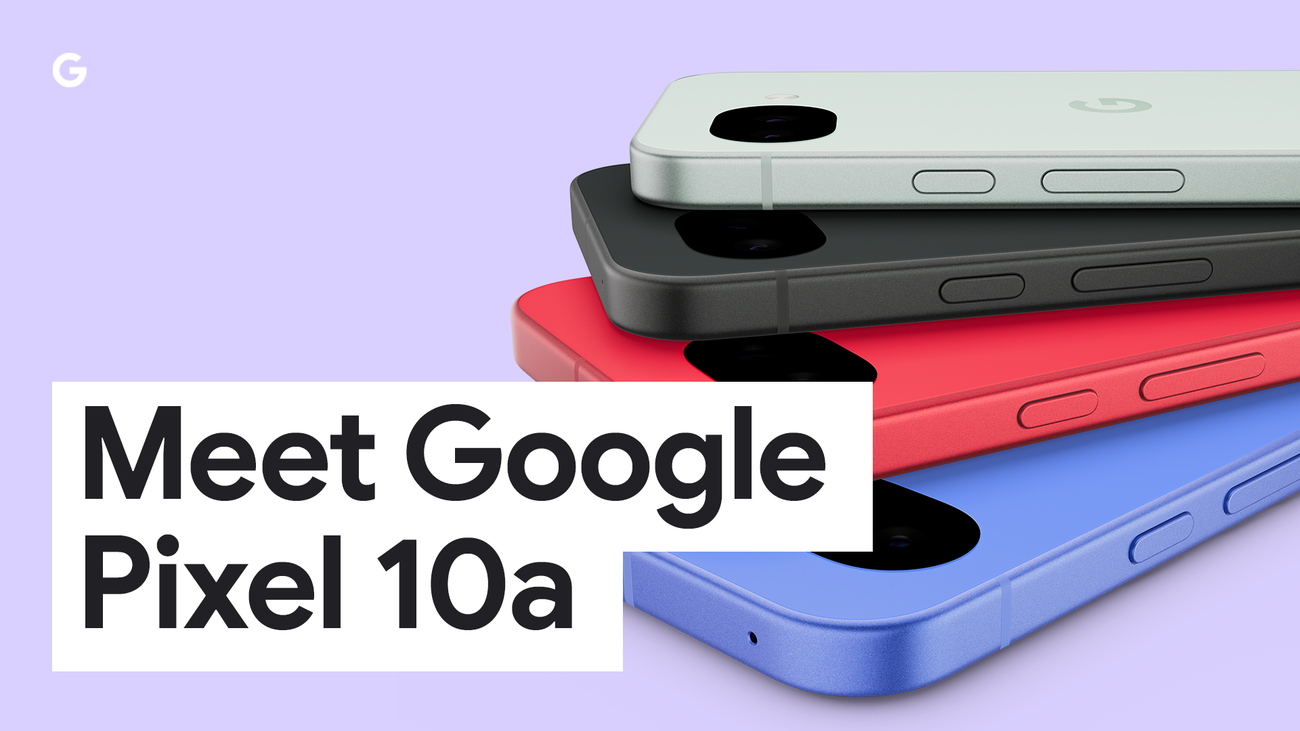
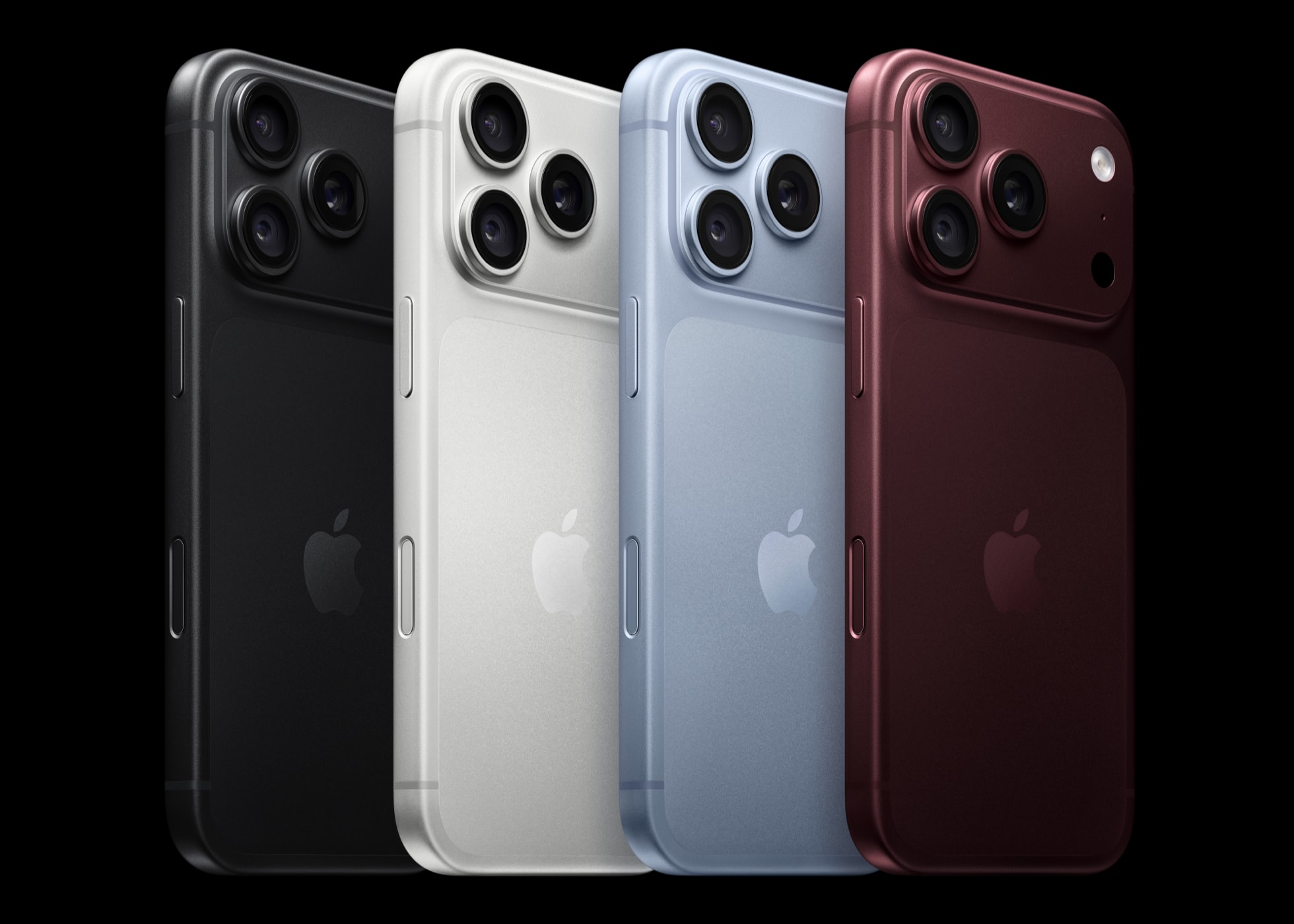
- The current iPhone 18 Pro, Galaxy S26 line and Pixel 11 Pro are all rated IP68 on their makers' own spec pages — not IP69.
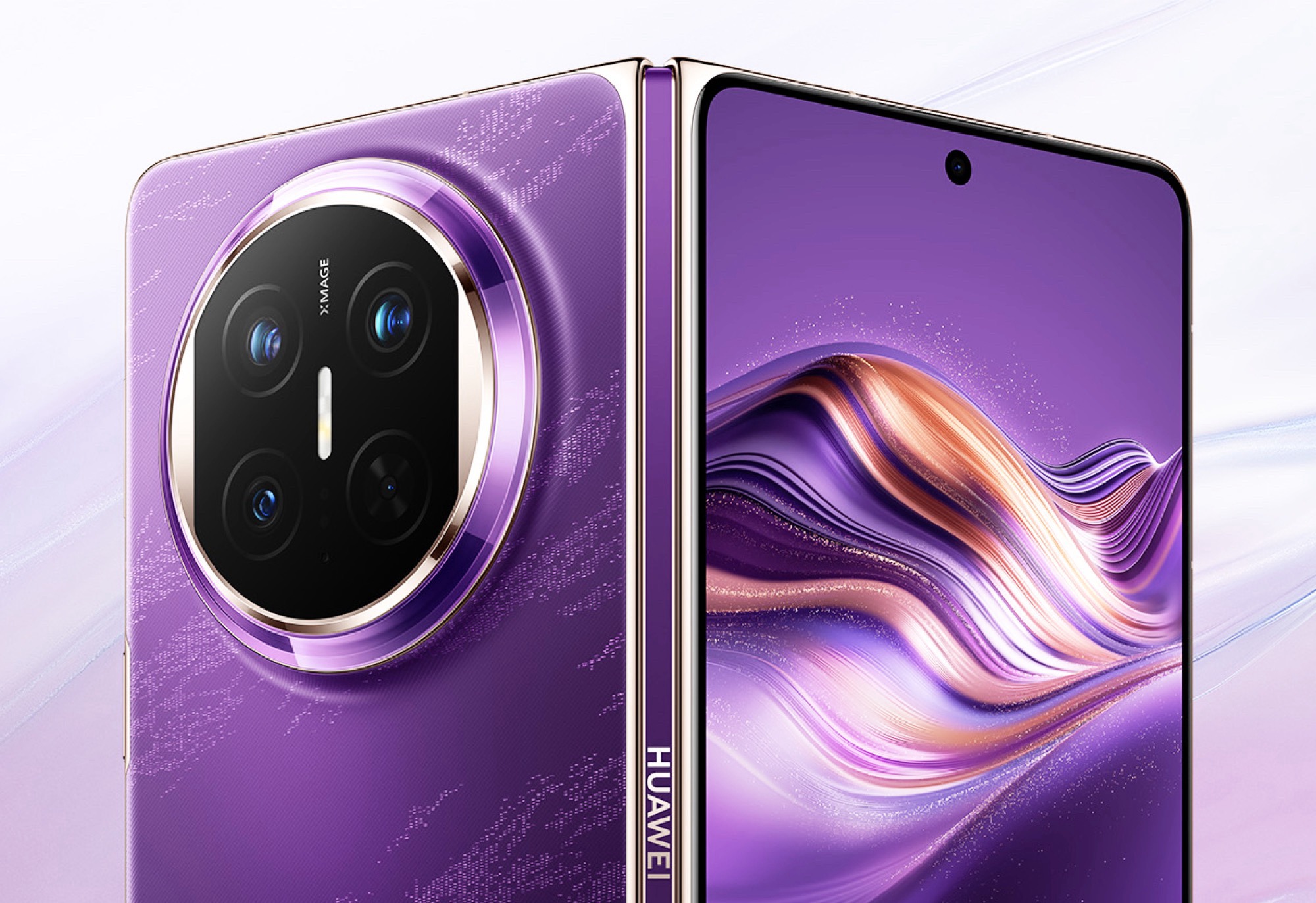
- OPPO's Find X9 Ultra is tested to IP69 (in addition to IP66 and IP68), per OPPO's own newsroom and spec pages.
- Every maker that publishes an IP rating also says, in the same breath, that liquid damage isn't covered under warranty.
What the "IP" code actually stands for
IP stands for Ingress Protection. It's not a marketing term — it's a classification system defined by the international standard IEC 60529, maintained by the International Electrotechnical Commission. The code is always two letters followed by two digits: IP, then a solids digit, then a liquids digit. Each digit is tested and certified independently, which is the single most important thing to understand before comparing any two ratings.
As Wikipedia's summary of the IEC 60529 standard lays out, the first digit runs from 0 (no protection) to 6 ("dust-tight"), and it describes protection against solid objects and dust getting into the device, as well as against fingers or tools touching hazardous internal parts. Nearly every current flagship phone that publishes a rating at all scores a 6 here — the ceiling of the scale.
The second digit is where things get more interesting. It runs 0 to 9 and covers liquids, starting with dripping water, moving through spraying and splashing, then jets, then immersion, and finally — at the very top — high-pressure, high-temperature jets. Crucially, 9 is not simply "deeper than 8." It's a separate hazard: a 9 rating says nothing on its own about how deep or how long a device can be submerged, and an 8 rating says nothing about whether it can survive a pressure washer.
IP68, in plain terms: submersion, not pressure
A digit 8 in the second position means, per the standard, that "the equipment is suitable for continuous immersion in water under conditions which the manufacturer shall specify." That last clause matters: IEC 60529 doesn't set one universal depth or time for an 8 rating. Each manufacturer tests and discloses its own figure, which is why IP68 phones from different brands quote different numbers.
On their own current spec pages:
- Apple states the iPhone 18 Pro and iPhone 18 Pro Max are "Rated IP68 (maximum depth of 6 meters up to 30 minutes) under IEC standard 60529," on Apple's iPhone 18 Pro specs page.
- Samsung's support site lists the Galaxy S26, S26+, S26 Ultra and S26 FE among the devices that "carry an IP68 rating," on its official Galaxy water-and-dust-resistance support page, with the standard 1.5-meter/30-minute fresh-water figure Samsung applies across its IP68 lineup.
- Google's own spec page for the Pixel 11 Pro lists "IP68 dust and water resistance," with a footnote confirming it's "designed to comply with dust and water protection rating IP68 under IEC standard 60529 when each device leaves the factory," on Google Store's Pixel 11 Pro specs page.
Notice the gap: Apple claims 6 meters, Samsung's published figure for the S26 line is 1.5 meters. Both are legitimately IP68. The "68" tells you the test category and the dust-tight ceiling; it doesn't tell you the depth, which is why checking the manufacturer's own number — not just the two digits — matters if you actually plan to get a phone wet.
IP69: built for jets and steam, not swimming
A digit 9 in the second position covers something IP68 doesn't test for at all: close-range, high-pressure, high-temperature water spray. IEC 60529's IPx9 test and the related ISO 20653 test (which replaced the older DIN 40050-9 "IP69K" designation used in European vehicle and industrial engineering) both specify water around 80°C, delivered at roughly 8–10 MPa of pressure and 14–16 liters per minute, sprayed from about 10–15 cm away. That's the kind of abuse a piece of farm or factory equipment takes from a pressure washer during a hose-down cleaning cycle — originally this rating existed for trucks, tractors and industrial sensors, not phones.
When a phone maker advertises IP69, it's claiming the device survived that jet-and-heat test in addition to whatever immersion test it also passed. OPPO is explicit about this for its current ultra flagship: OPPO's own newsroom says the Find X9 series "even goes beyond typical water resistance" with IP66, IP68 and IP69 ratings, adding that it "can withstand high-pressure, high-temperature water jets up to 80°C." OPPO's own regional specs page for the Find X9 Ultra goes further, noting that the phone "has been tested and meets the IP69 standard for high-pressure, high-temperature water ingress protection" — though, in that EU listing, only IP68 is shown in the official eco-label field, because EU e-label rules cap the displayed ingress-protection figure at IP68 regardless of what a product was separately tested to. That's a genuinely useful thing to know if you're comparing spec sheets across regions: a phone can be tested to IP69 and still legally display "IP68" on part of its own paperwork.
IP69 does not automatically mean "better for swimming" or "safe at greater depth" than IP68. Unless a maker separately publishes an immersion figure (an 8 rating, tested on its own terms), an IP69 claim by itself tells you about jet and heat resistance — not about how deep or how long the phone can sit underwater.
Which current flagships are IP68 vs IP69
Here's what each maker states on its own current spec or support pages, as of late 2026. Only phones with a rating verifiable on the manufacturer's own site are listed.
| Phone | Maker's stated rating | Manufacturer-specified immersion figure | Source |
|---|---|---|---|
| iPhone 18 Pro / 18 Pro Max | IP68 | 6 m, up to 30 minutes, fresh water | Apple iPhone 18 Pro specs page |
| Galaxy S26 / S26+ / S26 Ultra / S26 FE | IP68 | 1.5 m, up to 30 minutes, fresh water | Samsung Galaxy water-resistance support page |
| Pixel 11 Pro / 11 Pro XL | IP68 | Depth/time not published in the IEC 60529 footnote on Google's own page | Google Store Pixel 11 Pro specs page |
| OPPO Find X9 Ultra | IP66, IP68 and IP69 | IP68 immersion figure not broken out separately on the cited page; IP69 covers jets, not depth | OPPO newsroom / Find X9 Ultra specs page |
The pattern so far: Apple, Samsung and Google — the three biggest Western flagship lines — are sticking with IP68 as their headline rating. Some Android makers selling IP69-rated phones in markets outside the US are adding the jet-resistance test as an extra selling point on top of IP68, largely because the manufacturing cost of qualifying for it is relatively low once a phone is already sealed to IP68 standards. If you see a phone advertised as IP69 without the manufacturer's own page naming the specific digit, treat the claim as unverified marketing shorthand rather than a certified rating — plenty of retail listings round up or guess.
What voids your water-damage claim, rating or not
Every manufacturer cited above pairs its IP rating with the same warning, in slightly different words: the rating describes a factory-fresh, lab-controlled test, not a lifetime guarantee. Apple's own specs page notes the protection "may be reduced through normal wear" and that liquid damage isn't covered by warranty. Google's footnote on the Pixel 11 Pro page is explicit that water and dust resistance "are not permanent conditions and will diminish or be lost over time due to normal wear and tear, device repair, disassembly or damage," and that dropping the phone can reduce that resistance. Samsung's support page carries near-identical language and separately warns against salt water, pool water, soapy water, sunscreen, perfume and other chemicals that can degrade the seals even though they're technically liquids.
In practice, the things that most commonly void a water-damage claim — rating or no rating — are:
- Liquid other than fresh water. Salt water, chlorinated pool water, soapy water, and anything with oils or solvents (sunscreen, hand sanitizer, cologne) isn't covered by the standard fresh-water test, even on an IP68 phone.
- A prior drop or crack. A dented frame or hairline crack in the glass can break the seal invisibly; the phone may look fine and still no longer be water-resistant.
- Charging while wet. Every maker above specifically warns against plugging in a charger or cable until the port is fully dry.
- Depth or time beyond the published figure. Going past the manufacturer's stated meters or minutes — or using it at a pool or beach when the rating was only tested in still fresh water — falls outside the warranty's scope.
- Age and wear on the seals. Every brand says resistance can diminish over the life of the device, repairs included.
None of this is unique to one brand. It's standard language across Apple, Samsung and Google's own documentation, and it's worth reading literally: the IP rating is a certification of what left the factory, not a promise about the phone in your pocket two years later.
IP68 vs IP69: which one actually matters for daily use
For the overwhelming majority of phone owners, IP68 covers the realistic hazards: rain, a dropped phone in the sink, a spilled drink, an accidental trip into a pool for a few seconds. None of that approaches the jet-and-heat scenario IP69 is built around. IP69 matters far more for people who actually clean their phone — or a case around it — with a pressure washer, work in food-processing, agricultural or industrial settings where equipment gets hosed down, or simply want the highest documented durability ceiling a maker is willing to publish.
What IP69 does not tell you, on its own, is how deep a phone can go underwater or for how long — that's still governed by the separate immersion (8) figure, which is why OPPO's IP69 claim for the Find X9 Ultra sits alongside IP68, rather than replacing it. Think of the two digits as answering two different questions: "can it survive a dunk?" (8) and "can it survive a blast?" (9). A phone needs the right test for the hazard you actually expect to put it through.
Buying guidance: how to actually use an IP rating when shopping
A few practical habits make IP ratings useful instead of just reassuring-sounding marketing copy:
- Read both digits, every time. A phone listed only as "water resistant" without an IP code, or with an "X" in place of a digit (like IPX4), wasn't tested for that category at all.
- Check the manufacturer's own depth/time figure for IP68, not just the two digits — as shown above, "IP68" alone can mean 1.5 meters or 6 meters depending on the brand.
- Don't assume IP69 beats IP68 for your use case. If you're not hosing your phone down with a pressure washer, the jet rating is a nice-to-have, not a meaningful upgrade over a well-documented IP68 immersion figure.
- Assume the warranty won't cover water damage regardless of the rating, and budget for that risk (a case, insurance, or a carrier protection plan) rather than relying on the IP code as a safety net.
- Weigh the rating against everything else you need from the phone. Durability is one spec among many — if you're cross-shopping current flagships, it's worth lining up battery, camera and price differences too, like this OPPO Find X10 vs OnePlus 16 comparison or this Nothing Phone 4a Pro vs Pixel 10 Pro buying guide, before deciding how much weight to put on the water-resistance line alone.
Common mix-ups worth clearing up
A few confusions come up often enough to flag directly. An IP68 rating is not the same as "waterproof" — every manufacturer cited in this guide avoids that word on purpose, because nothing with charging ports and speaker grilles is truly waterproof forever. An IP69 rating is not a deeper or longer version of IP68 — it's a different test for a different hazard, and the two numbers can appear together on the same spec sheet, as they do for the Find X9 Ultra, because they certify different things. And a phone "rated for IP68" in one country's marketing isn't guaranteed to show the same number on a spec sheet in another region, since some regulatory frameworks — like the EU's product e-labeling rules — cap which ingress-protection figure gets displayed, independent of what the phone was actually tested to.
What to do now
If you already own a phone with a published IP rating, treat the number as a ceiling, not a guarantee: avoid salt water, pools and soapy water even if you've gone swimming with it before, let it air-dry before charging after any splash, and don't assume a drop hasn't quietly compromised the seal. If you're shopping for a new flagship, start with the manufacturer's own specs or support page — not a retailer listing or a review roundup — and look specifically for the depth-and-time figure behind "IP68," since that number varies by brand even when the two digits match. And if a listing claims IP69 without a manufacturer source behind it, treat it as a selling point to verify rather than a settled fact; as this guide's own research found, not every brand that talks about "industry-leading IP ratings" puts an actual digit on the page.
Frequently asked questions
What does IP68 mean on a phone?
IP68 means the phone is dust-tight (the '6') and rated by its maker for continuous immersion in still fresh water (the '8') to a depth and time the manufacturer specifies, per the IEC 60529 standard. The exact depth and time vary by brand, so IP68 alone doesn't tell you the full picture.
What's the difference between IP68 and IP69?
IP68 tests for continuous immersion in still water. IP69 tests for a completely different hazard: close-range, high-pressure, high-temperature water jets, similar to a pressure washer. A phone can have one, both, or neither rating; IP69 does not mean it can go deeper underwater than an IP68 phone.
Can I take my IP68 phone in the shower or pool?
Manufacturers generally advise against it. IP68 testing uses still fresh water, not the soap, shampoo, chlorine or moving water you'd encounter in a shower or pool, and Samsung, Apple and Google all specifically warn against soapy water, pool water and salt water even on IP68-rated devices.
Does water damage void my phone's warranty even with an IP68 or IP69 rating?
Yes, in nearly every case. Apple, Samsung and Google all state in their own documentation that liquid damage is not covered under warranty, regardless of the IP rating. The rating certifies a factory test, not a guarantee against real-world damage.
Is IP69 better than IP68 for everyday phone use?
Not necessarily. For typical hazards, like rain, spills or a quick dunk, IP68's immersion test is the more relevant one. IP69 mainly matters if you expect the phone to face high-pressure, high-temperature jets, such as in industrial, food-service or heavy-cleaning settings.
Which 2026 flagship phones have an IP69 rating?
On their own current spec pages, Apple's iPhone 18 Pro, Samsung's Galaxy S26 line and Google's Pixel 11 Pro are all rated IP68, not IP69. OPPO's Find X9 Ultra is one current flagship whose own newsroom and spec pages state it has been tested to IP69 in addition to IP66 and IP68.
Sources
- IEC 60529 — Degrees of protection provided by enclosures (IP Code)webstore.iec.ch
- Apple: iPhone 18 Pro specs (water/dust resistance)apple.com
- Samsung: Galaxy phone and tablet water resistance (IP rating) support pagesamsung.com
- Google Store: Pixel 11 Pro & 11 Pro XL specsstore.google.com
- OPPO Newsroom: Find X9 series design and durabilityoppo.com
- OPPO: Find X9 Ultra specs (UK)oppo.com
Nadia Osei covers mobile and consumer gadgets for Pandromeda: smartphones, tablets, smartwatches, earbuds and smart-home devices. She tracks launches, software updates and pricing across Apple, Google, Samsung and the rest, and builds comparisons from the manufacturers' published specifications.