Galaxy Z TriFold vs iPhone Duo: Price, Specs and Which to Buy
Samsung's three-panel Galaxy Z TriFold and Apple's dual-screen iPhone Duo take opposite bets on foldable phones — here's how their price, displays, hinges and software actually compare.
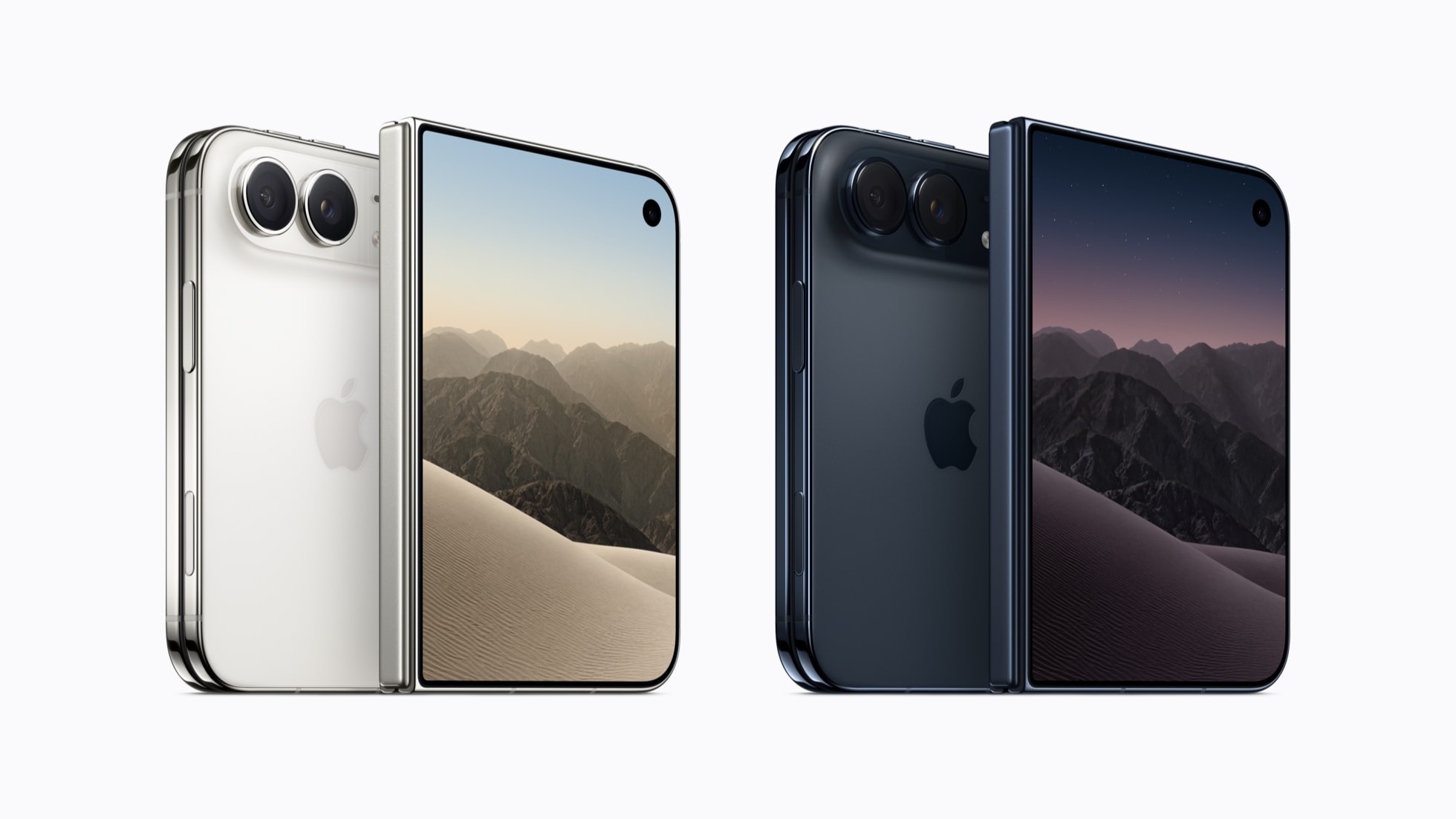
The Galaxy Z TriFold costs $2,899 for Samsung's single 512GB configuration, while the iPhone Duo starts at $1,999 for 256GB and runs to 2TB — so Apple's foldable is cheaper at every tier, but the two phones solve the "big screen in your pocket" problem in opposite ways. Samsung folds one 10-inch panel into thirds; Apple hinges two separate screens, a 5.4-inch cover display and a 7.6-inch inner one, into a single device. Here's how price, release timing, displays, hinge durability, software and cameras compare, and which one is worth buying.
Price and storage: $2,899 vs $1,999
Samsung's US Newsroom post confirms the Galaxy Z TriFold sells for $2,899.00, and it comes in exactly one configuration: Crafted Black with 512GB of storage and 16GB of RAM. There's no cheaper tier and no microSD slot to stretch that storage further.
Apple's foldable undercuts it by $900 at the entry point. According to Apple's announcement, the iPhone Duo starts at $1,999 for 256GB, with 512GB, 1TB and 2TB options above that (or from $83.29 a month over 24 months through Apple's installment plan). Apple also sells a Duo Case ($79) and a Duo Folio with Kickstand ($129) as official accessories.
Samsung's single-SKU approach keeps things simple, but it also means TriFold buyers who want more storage than 512GB have no official option. Apple's four-tier spread gives shoppers more room to pick a price, even though the top 2TB model will cost considerably more than $1,999.
Release dates and availability
Samsung announced the Galaxy Z TriFold on December 1, 2025, and started selling it in South Korea on December 12, 2025. The US launch followed on January 30, 2026, through Samsung Experience Stores and Samsung.com, alongside rollouts in China, Taiwan, Singapore and the UAE. There was no US pre-order window; the phone simply went on sale that day. As of this writing, Samsung's own US product page lists the Crafted Black 512GB model as sold out, which fits the device's positioning as a limited-run flagship rather than a mass-market release.
Apple moved on a different calendar entirely. It unveiled the iPhone Duo on September 9, 2026, alongside the iPhone 18 Pro line, then opened pre-orders on October 16, 2026 at 5 a.m. Pacific in more than 70 countries and regions. The phone reached stores on October 23, 2026 — a date Apple marked with in-store events at flagship locations in Austin, New York, London, Mumbai and Shanghai — with 28 additional countries following on October 30.
Displays: one giant fold vs two separate screens
This is where the two phones diverge most. The Galaxy Z TriFold uses two hinges to fold a single 10.0-inch QXGA+ Dynamic AMOLED 2X panel (2160 x 1584, 269 ppi, up to 1,600 nits, 120Hz adaptive) down into a phone-sized slab, with a 6.5-inch FHD+ cover screen (2520 x 1080, 422 ppi, up to 2,600 nits) handling day-to-day use when it's closed.
The iPhone Duo instead pairs two independent Super Retina XDR displays: a 5.4-inch outer screen (about 90% of the iPhone 18 Pro's screen area) and a 7.6-inch inner screen that Apple says is 50% larger than the iPhone 18 Pro Max's display. Both get ProMotion, Always-On support, a nano-texture finish option, and up to 3,000 nits of peak outdoor brightness — brighter, on paper, than either Samsung panel.
In practice, Samsung's single continuous 10-inch sheet is the bigger canvas when fully open — closer to a small tablet — while Apple's two-screen design means the inner display is smaller but gets to stay flat and avoid a crease running through the middle of the usable area the way a tri-fold's interior panel can.
Hinge design and durability
Samsung's two-hinge system is called Armor FlexHinge, and the company describes it as using "two differently sized hinges with a dual-rail structure" inside a titanium housing, plus an inward-folding design and an alarm that warns if you try to close it incorrectly. Samsung also states that the main display passes a 200,000-cycle multi-folding test — roughly equivalent to folding the phone 100 times a day for five years. Notably, the TriFold carries only an IP48 water-and-dust rating, lower than the IP68 rating common on single-fold flagships, which is a real trade-off for a $2,899 phone.
Apple takes a different structural approach: a Grade 5 titanium enclosure, a 3D-printed hinge cover with a micro-blasted finish, and a hinge built from more than 100 components that physically supports the center of the inner display when it's open. Ceramic Shield 2 covers the front glass (Apple claims 3x better scratch resistance than the previous generation), with Ceramic Shield on the back. Apple rates the whole thing IP68, tested in a lab to 6 meters for 30 minutes — matching standard non-folding iPhones. Apple hasn't published a numeric fold-cycle figure the way Samsung has, so that specific durability claim can't be directly compared; it's a gap in Apple's own published specs, not an assumption we're filling in.
Chips, cameras and battery
The Galaxy Z TriFold runs a customized 3nm Snapdragon 8 Elite for Galaxy with 16GB of RAM. Its camera system is a 200MP main wide (f/1.7, OIS, 2x optical-quality zoom), a 12MP ultra-wide, and a 10MP telephoto with 3x optical zoom and up to 30x "Space Zoom," plus separate 10MP selfie cameras on the cover and main screens. The 5,600mAh (typical) battery charges at 45W wired or 15W wireless, with Wireless PowerShare for topping up other devices.
The iPhone Duo runs Apple's 2nm A20 Pro, the same chip used in the iPhone 18 Pro line, with a 6-core CPU, 7-core GPU and a dual 16-core Neural Engine; Apple says it's up to 35% faster for sustained performance than the iPhone 17 Pro thanks to a custom vapor chamber. Its cameras are a 48MP Fusion Main (24MP default) with an optical-quality 2x telephoto crop and a 48MP Fusion Ultra Wide with macro support, plus a Center Stage front camera and a second FaceTime camera built under the inner display for video calls while unfolded. Battery life is rated at up to 31 hours of video on the inner display, 44 hours on the outer display, or 24 hours using both screens interchangeably, with 50% charge in about 20 minutes wired or 30 minutes wirelessly.
Samsung's camera system has the higher headline megapixel count and a longer optical telephoto reach; Apple's is built around computational "Fusion" sensors and dual-display video tricks rather than raw zoom range.
Software: One UI 8 vs iOS 27
The Galaxy Z TriFold ships on Android 16 with One UI 8 layered on top, plus a six-month trial of Google's AI Pro subscription and a one-time 50% discount on out-of-warranty screen repairs — a direct nod to how expensive fixing a tri-fold display could get. Samsung's foldable multitasking tools (app continuity across the cover and main screens, flex-mode layouts) carry over from the rest of the Z Fold line.
The iPhone Duo runs iOS 27, with Apple noting some Duo-specific capabilities land specifically with iOS 27.1. Dual-screen features include Smart Take, Duo Preview, Kid Cue and Duo FaceTime, all designed around having two independent displays rather than one continuous fold. Apple Intelligence arrived for compatible iPhones on September 14, 2026, and Siri AI is rolling out in beta with iOS 27, starting in English before adding French, Japanese, Korean, Portuguese and Spanish through October. Anyone tracking Apple's software cadence on this device should also keep an eye on what's new in the iOS 27.3 beta, which is where several Duo refinements are expected to land.
Security differs too: the iPhone Duo puts Touch ID in the side button and supports unlocking with an Apple Watch, since there's no room for Face ID's usual sensor array around either screen. Samsung uses an in-display fingerprint sensor on the main screen as on other recent Galaxy flagships.
| Spec | Galaxy Z TriFold | iPhone Duo |
|---|---|---|
| US price | $2,899 (512GB only) | From $1,999 (256GB–2TB) |
| Main display | 10.0" QXGA+ AMOLED, 120Hz, 1,600 nits | 7.6" Super Retina XDR, ProMotion, 3,000 nits |
| Cover/outer display | 6.5" FHD+ AMOLED, 120Hz, 2,600 nits | 5.4" Super Retina XDR, ProMotion, 3,000 nits |
| Hinge | Armor FlexHinge, dual-rail, titanium housing; 200,000-cycle fold test | 100+ part titanium hinge; no published cycle count |
| Water/dust resistance | IP48 | IP68 (6m / 30 min) |
| Chipset | Snapdragon 8 Elite for Galaxy (3nm) | Apple A20 Pro (2nm) |
| RAM / storage | 16GB RAM / 512GB (fixed) | 256GB–2TB |
| Rear cameras | 200MP wide + 12MP ultra-wide + 10MP tele (3x) | 48MP Fusion Main + 48MP Fusion Ultra Wide |
| Battery | 5,600mAh (typical), 45W wired | Dual battery, up to 31–44hr video, ~20 min to 50% |
| Software | Android 16, One UI 8 | iOS 27 (27.1 for some Duo features) |
| Weight | 309g | Not published by Apple at time of writing |
| Release date | Jan 30, 2026 (US) | Oct 23, 2026 (initial markets) |
Quick take: Buy the Galaxy Z TriFold if you want the single biggest continuous screen available on a phone and don't mind a $2,899 price tag with no storage choice. Buy the iPhone Duo if you want two separate, flatter, brighter displays, a $900-cheaper starting price, iOS and Apple's ecosystem, and don't need Samsung's extra zoom reach.
Which should you buy?
Pick the Galaxy Z TriFold if the appeal is specifically a tablet-sized continuous display that folds down to pocket size — nothing else on the market currently matches its unfolded 10-inch panel, and Samsung's 200,000-cycle fold-test figure is a real, published durability claim rather than marketing fluff. The trade-offs are a single expensive configuration, an IP48 rating well below what IP68 phones offer, and a device Samsung itself appears to be selling in limited numbers; stock has already run out on Samsung's own US product page at the time of writing.
Pick the iPhone Duo if you want a lower entry price, Apple's ecosystem and iOS 27, a brighter pair of screens on paper, and a more conventional IP68 rating. Its two-screen design also means the inner display stays flatter than a true tri-fold's middle panel, at the cost of a smaller maximum screen size than Samsung's. If you're also weighing Apple's other big foldable comparisons, our previous coverage of how the Duo stacks up against the Galaxy Z Fold8 covers the more common single-fold matchup, while this piece is about Samsung's more extreme tri-fold format specifically.
Neither phone is a casual upgrade. Both sit well above $1,900, both ask buyers to accept some durability trade-off versus a standard flagship, and both are still early, first- or second-generation products in their respective formats — Samsung's tri-fold line and Apple's first folding iPhone. If you've already read about the Galaxy Z TriFold's matchup against Huawei's Mate XT, the iPhone Duo comparison here fills in the other half of the market: it's the only major tri-fold-style device going up against the only mainstream dual-screen foldable iPhone.
What happens next
Watch for two things. First, Samsung restocking the Galaxy Z TriFold — its limited availability so far suggests Samsung may treat it more like a halo device than a mass-market Z Fold successor, and a second production run (or a price cut) would be the clearest signal that's changing. Second, Apple's iOS 27.1 and 27.3 updates, which are where Apple has said additional iPhone Duo-specific software features will continue to arrive after the October launch, including wider Siri AI language support. Expect both companies to keep iterating hinge durability and software multitasking features as dual-screen and tri-fold phones move from novelty to an established (if still extremely expensive) phone category.
Frequently asked questions
How much does the Galaxy Z TriFold cost compared to the iPhone Duo?
The Galaxy Z TriFold starts at $2,899 for its only configuration (512GB), while the iPhone Duo starts at $1,999 for 256GB and goes up to 2TB, according to Samsung's and Apple's own announcements.
When did each phone come out?
Samsung's Galaxy Z TriFold went on sale in the US on January 30, 2026, after launching in South Korea on December 12, 2025. Apple's iPhone Duo became available on October 23, 2026, following pre-orders that opened October 16, 2026.
Which phone has the bigger screen?
The Galaxy Z TriFold has the larger continuous display at 10.0 inches when fully unfolded, versus the iPhone Duo's 7.6-inch inner screen and 5.4-inch outer screen, which are two separate panels rather than one.
Is the Galaxy Z TriFold's hinge more durable than the iPhone Duo's?
Samsung says the TriFold's main display passes a 200,000-cycle fold test. Apple hasn't published an equivalent cycle count for the iPhone Duo's hinge, though it does rate the Duo IP68 for water and dust resistance, a higher rating than the TriFold's IP48.
Can you still buy the Galaxy Z TriFold?
As of this writing, Samsung's own US product page lists the Crafted Black 512GB Galaxy Z TriFold as sold out, suggesting Samsung treated it as a limited-run device rather than an ongoing flagship.
Which software platform does each phone run?
The Galaxy Z TriFold runs Android 16 with One UI 8, while the iPhone Duo runs iOS 27, with some Duo-specific features arriving in iOS 27.1 and later updates.
Sources
- Samsung Newsroom: Introducing Galaxy Z TriFoldnews.samsung.com
- Samsung Newsroom US: Galaxy Z TriFold available in the US starting Jan. 30news.samsung.com
- Samsung.com: Galaxy Z TriFold product pagesamsung.com
- Apple Newsroom: Apple unveils iPhone Duoapple.com
- Apple Newsroom: iPhone Duo arrives at Apple Store locations worldwideapple.com
Nadia Osei covers mobile and consumer gadgets for Pandromeda: smartphones, tablets, smartwatches, earbuds and smart-home devices. She tracks launches, software updates and pricing across Apple, Google, Samsung and the rest, and builds comparisons from the manufacturers' published specifications.