Why RAM and SSD Prices Are Surging in 2026, Explained
Micron and SanDisk filings show record revenue and margins as AI datacenter demand for DRAM and NAND outpaces supply, pushing RAM and SSD prices higher.
RAM and SSD prices have been climbing sharply through 2026, and the companies that make the chips are now saying so in their own official filings. Micron's fiscal 2026 results, reported directly to the SEC, show DRAM revenue jumping from $28.58 billion to $100.68 billion and NAND revenue from $8.50 billion to $31.79 billion year over year — and the company's own CEO says the shortage behind those numbers isn't close to easing. Here's what the memory makers themselves have actually confirmed, and what it means if you're about to buy RAM, an SSD, or a new PC.
This article sticks to what Micron and SanDisk have said in their own SEC filings and earnings releases, rather than retail price-tracking sites or unnamed analyst notes, specifically because filings carry legal accountability that a blog post or price-tracker screenshot doesn't.
Quick facts
- Micron's fiscal 2026 (ended September 3, 2026) revenue: $133.19 billion, up from $37.38 billion in fiscal 2025, per its own SEC filing.
- Micron's fiscal Q4 2026 gross margin: 86.8% GAAP, per its own earnings release.
- CEO Sanjay Mehrotra says Micron expects "an even stronger fiscal 2027."
- SanDisk's own SEC filing says it expects NAND demand to outpace supply "through calendar year 2026 and beyond."
- Driver: AI data-center demand for DRAM and NAND (including HBM) is outrunning the industry's ability to add capacity.
What's actually happening to memory prices
DRAM (the RAM in your PC) and NAND flash (the memory inside SSDs) are both produced by a small number of manufacturers — Micron, Samsung, SK Hynix and SanDisk/Western Digital make up nearly all of global supply. Through 2026, demand for both has outstripped what those manufacturers can produce, and the clearest evidence isn't a rumor or a retailer's price tag — it's in the manufacturers' own financial results.
Micron's fiscal 2026 earnings release, filed with the SEC, reports full-year revenue of $133.19 billion, up from $37.38 billion the prior fiscal year — more than a tripling. Fiscal fourth-quarter revenue alone was $54.23 billion, with a GAAP gross margin of 86.8%. Margins at that level, on revenue growing that fast, are a direct signal of a market where supply can't keep up with demand: when a manufacturer can raise prices and still sell everything it makes, margins expand like this.
It's worth being precise about what these filings do and don't tell us directly. Neither Micron's earnings release nor its 10-K states a specific percentage increase in the street price of a given RAM module or SSD — that's retail-market data, not something a chipmaker's SEC filing reports. What the filings do show, directly and unambiguously, is company-wide revenue and margin figures so far outside normal ranges that they're only consistent with a market where buyers are paying significantly more per unit than they were a year earlier. That's the most reliable way to confirm "prices are rising" without relying on any single retailer's listed price, which can vary by region, retailer markup and timing.
The numbers, by product
Micron's fiscal 2026 annual report (Form 10-K) breaks fiscal-year revenue out by product line, and the swing is visible in both of the categories that matter most to PC buyers:
| Product | FY2026 revenue | FY2025 revenue | Source |
|---|---|---|---|
| DRAM | $100.68 billion | $28.58 billion | Micron 10-K |
| NAND | $31.79 billion | $8.50 billion | Micron 10-K |
| Total company revenue | $133.19 billion | $37.38 billion | Micron 8-K earnings release |
Micron's own 10-K attributes the DRAM growth specifically to AI infrastructure: "Cloud servers supporting AI and data-centric workloads require significantly increasing quantities of DRAM," the filing states, and the company also flags continued growth in generative-AI-driven cloud demand as the broader context for its results.
Why AI data centers are the driver
The short version: training and running large AI models requires enormous amounts of memory, including high-bandwidth memory (HBM) stacks built for AI accelerators, and ordinary DRAM and NAND for the servers surrounding them. That demand is new, large, and growing faster than manufacturers can build new fabrication capacity — building a new memory fab takes years, not months. When a manufacturer has to choose between allocating wafer capacity to high-margin AI-datacenter memory or to the consumer DRAM and NAND that goes into PC RAM sticks and SSDs, the AI-datacenter business currently wins, which tightens consumer supply and pushes consumer prices up as a side effect.
Micron's own 10-K makes the mechanism explicit rather than leaving it to inference: it directly ties DRAM revenue growth to cloud infrastructure, stating that cloud servers built for AI and data-centric workloads need "significantly increasing quantities of DRAM." Capacity that goes into those servers is capacity that, by definition, isn't going into the sticks of DDR5 sold for a gaming PC or workstation upgrade. The same dynamic applies to NAND: large AI server deployments use substantial amounts of flash storage for model weights, caching and fast data access, competing directly with the SSD supply that would otherwise go to consumer laptops and desktops.
SanDisk's own quarterly filing with the SEC — the NAND flash business spun out from Western Digital — states plainly that it expects "demand for our NAND [to] continue to outpace supply" and that it expects "this imbalance of supply and demand to persist through calendar year 2026 and beyond." That's not an analyst's forecast; it's the company's own disclosure in its Form 10-Q filed with the SEC. The same filing notes SanDisk had temporarily reduced its own manufacturing utilization earlier in the fiscal year specifically to align flash-wafer supply with projected demand — a sign that even producers have had to actively manage output against a demand curve they can't fully satisfy. That detail matters because it rules out one alternative explanation for tight supply: this isn't a case of a manufacturer failing to produce enough; SanDisk's own filing shows a period where it deliberately produced less, in order to match a demand picture it was still trying to read correctly.
Samsung Electronics and SK Hynix, the other two companies that make up the bulk of global DRAM and NAND supply alongside Micron and SanDisk, haven't been checked against their own primary filings for this article — their disclosures would need separate verification before citing specific figures from them, and this piece deliberately sticks to the two manufacturers (Micron and SanDisk) whose own SEC filings were directly reviewed here rather than relying on secondhand summaries of the other two.
How long manufacturers say this will last
Micron CEO Sanjay Mehrotra's comments accompanying the fiscal 2026 results point toward continued tightness rather than a near-term correction. In the company's own earnings release, Mehrotra says Micron expects "an even stronger fiscal 2027," and the release's own headline frames "AI-driven demand and strong operational execution" as positioning the company for a record fiscal 2027. Micron has also guided first-quarter fiscal 2027 revenue to $61.5 billion (plus or minus $1.5 billion) — itself higher than the $54.23 billion just reported for fiscal Q4 2026, which implies the company expects demand (and pricing) to keep climbing rather than plateau.
Guidance like this is Micron telling its own shareholders what to expect in the next 90 days, under securities-disclosure rules that carry real legal consequences if the company knowingly overstates its outlook — which is part of why a formal earnings-release guidance figure carries more weight than an executive's comment in an interview or a conference panel. When a chipmaker raises its own near-term revenue guidance rather than lowering it, that's a direct signal about the next quarter specifically, separate from any longer-term prediction about when the broader shortage ends.
Neither Micron's nor SanDisk's own public filings give an exact date when supply and demand will rebalance. That absence is itself informative: when a manufacturer can confidently predict a correction, it usually says so, because it affects how customers plan purchases and how the company plans capital spending on new fabs. The lack of a clear end date in either company's own disclosures is consistent with outside reporting describing a multi-year tightness rather than a short-term spike, though Pandromeda has not independently verified those longer multi-year forecasts against a primary source and is reporting here only what Micron's and SanDisk's own filings state directly.
What this means if you're buying RAM, an SSD or a new PC
For anyone shopping for PC components rather than reading corporate filings, the practical upshot is straightforward: expect DRAM modules and SSDs to cost more than they did a year ago, and don't expect that to reverse quickly based on what the manufacturers themselves are currently disclosing. If you're planning a build or upgrade and already know how much RAM you actually need, buying to that number rather than over-buying "while it's still available" is a reasonable way to manage the cost increase rather than overspend trying to get ahead of it. The same logic applies to GPU VRAM and system memory sizing generally — buying capacity you'll actually use, rather than padding against a price trend, is the more defensible call given that nobody, including the manufacturers, has published a date for when prices might ease.
If you're budgeting a full build right now, it's also worth revisiting your power-supply sizing and overall parts budget together, since a higher RAM/SSD line item changes the total build cost even when every other component's price stays flat.
It's also worth separating two different kinds of buyers here. If you're assembling a new PC from scratch, RAM and SSD costs are one line item among several, and the increase is real but proportionally smaller against the total build cost. If you're specifically upgrading an existing machine's memory or storage — adding a second RAM kit, or dropping in a larger SSD — the price increase is the entire cost of that upgrade, which makes the timing decision matter more. Neither Micron's nor SanDisk's filings give PC builders a way to time that decision precisely, since neither discloses a specific date when prices might soften; the most honest answer, based on what's actually been disclosed, is that there's no confirmed near-term relief in either company's own guidance.
What to watch next
The clearest signal to watch for is each manufacturer's own quarterly disclosures: Micron, SanDisk, Samsung and SK Hynix all report earnings on a regular cadence, and their own gross-margin and capacity-utilization figures — not retailer price tags — are the most direct evidence of whether the supply crunch is easing or deepening. Based on what Micron and SanDisk have themselves disclosed as of this writing, both companies are planning for continued tightness rather than a near-term easing, with Micron explicitly guiding toward higher, not lower, revenue in the coming quarter.
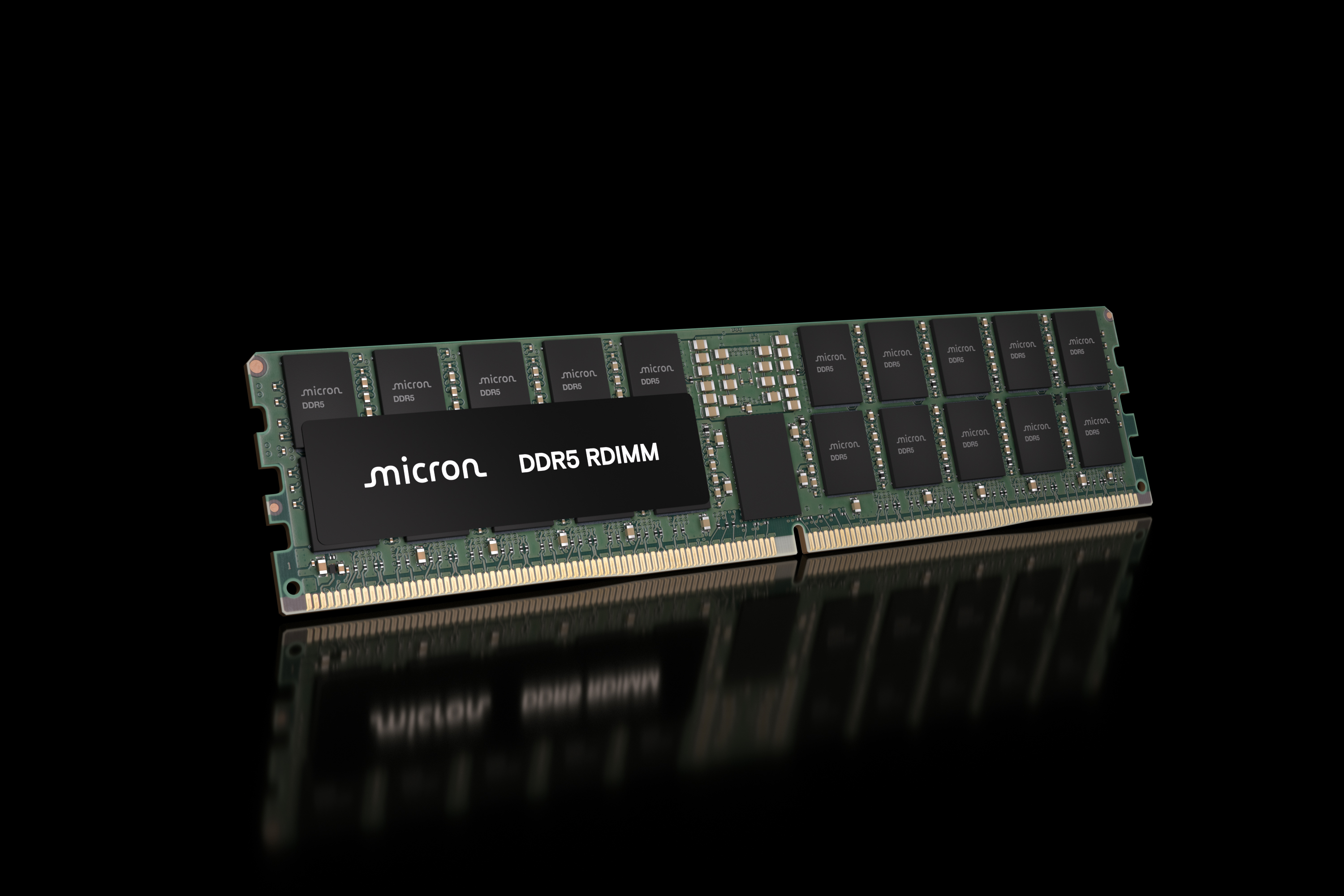
Micron publishes its own current product lineup, including the DDR5 RDIMM and MRDIMM server modules that make up the bulk of its DRAM revenue, through its official product image gallery — useful context for seeing what, specifically, is driving the revenue figures above, even though that page itself doesn't discuss pricing or the supply shortage.
Frequently asked questions
Why are RAM and SSD prices going up in 2026?
AI data centers need large amounts of DRAM and NAND flash memory, and that demand is growing faster than manufacturers can add production capacity. Micron's own SEC filings show DRAM and NAND revenue more than tripling year over year, which is only possible if buyers are paying substantially more per unit.
When will RAM and SSD prices come back down?
Neither Micron nor SanDisk has published a date when supply and demand will rebalance in their own SEC filings. Micron's CEO has said the company expects an even stronger fiscal 2027, and its own revenue guidance for the next quarter is higher than the quarter just reported, suggesting no near-term easing based on the company's own disclosures.
Is this shortage about RAM, SSDs, or both?
Both. Micron's fiscal 2026 10-K shows DRAM revenue (RAM) growing from $28.58 billion to $100.68 billion and NAND revenue (SSD storage) growing from $8.50 billion to $31.79 billion year over year.
Should I buy RAM or an SSD now or wait?
Neither Micron's nor SanDisk's own disclosures give a specific date when prices might ease, so there's no confirmed near-term relief to wait for. Buying to the capacity you actually need, rather than over-buying in anticipation of further increases, is the more defensible approach given what's currently known.
What is driving AI's demand for memory specifically?
Training and running large AI models requires high-bandwidth memory (HBM) for AI accelerators plus large amounts of ordinary DRAM and NAND for the surrounding servers. Micron's 10-K states that cloud servers supporting AI workloads require significantly increasing quantities of DRAM.
Sources
Mara Lindqvist edits the hardware desk. She covers graphics cards, processors, memory and storage, the foundries and chip designers behind them, and what the numbers on a spec sheet mean for people choosing a PC. Specifications in her stories come from manufacturer spec pages and datasheets.