Googlebook Laptops: Price, Specs and Release Date for All 5 Models
Google’s new Gemini laptops start at $899 and ship October 4. Here is what each of the five launch models costs, what is inside, and which chip to pick.
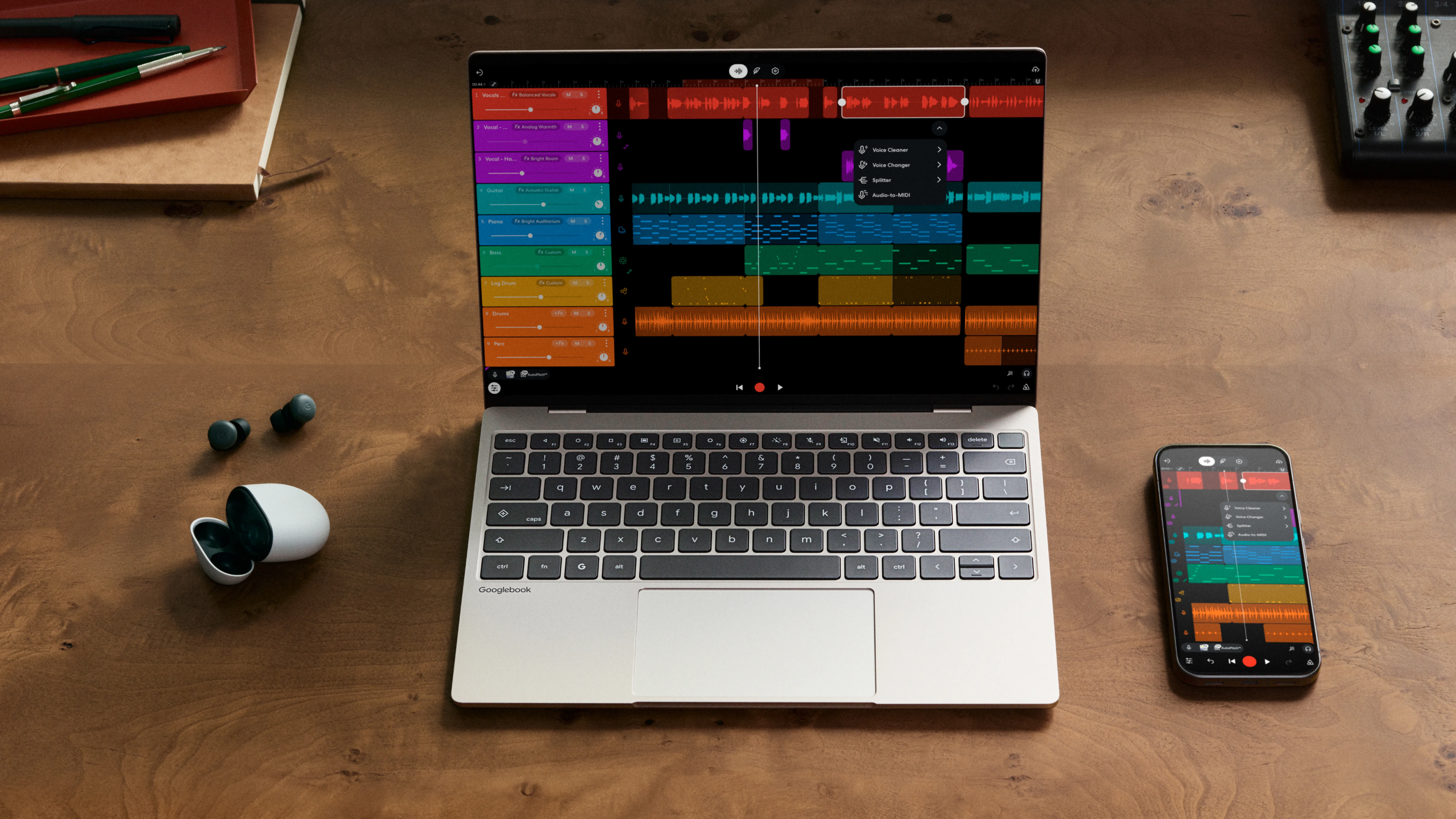
Google opened pre-orders for Googlebook, its new category of Gemini-focused laptops, on September 21, 2026, with five launch models from Acer, ASUS, Dell, HP and Lenovo starting at $899. The laptops reach US shelves on October 4 and arrive in Canada, the UK, Ireland, France, Germany and Australia on October 5, and every model ships with 16GB of RAM and either an Intel Core Ultra or a Qualcomm Snapdragon X Elite processor.
Key facts
- Pre-orders: Open since September 21, 2026 at the Google Store, Best Buy and other retailers
- On shelves: October 4 (US); October 5 (Canada, UK, Ireland, France, Germany, Australia)
- Price: From $899 (Acer) up to $1,299 starting price (ASUS, HP) on Google’s US store
- Chips: Intel Core Ultra 5 (Acer, ASUS, Lenovo) or Snapdragon X Elite (Dell, HP)
- Base spec: 16GB RAM and 512GB storage on every model Google lists; NPUs rated 45–49 TOPS
- Bundle: 12 months of Google AI Pro with 5TB of cloud storage, plus trial apps and GeForce NOW
- Updates: Feature drops and updates for up to 10 years, according to Google
What is a Googlebook?
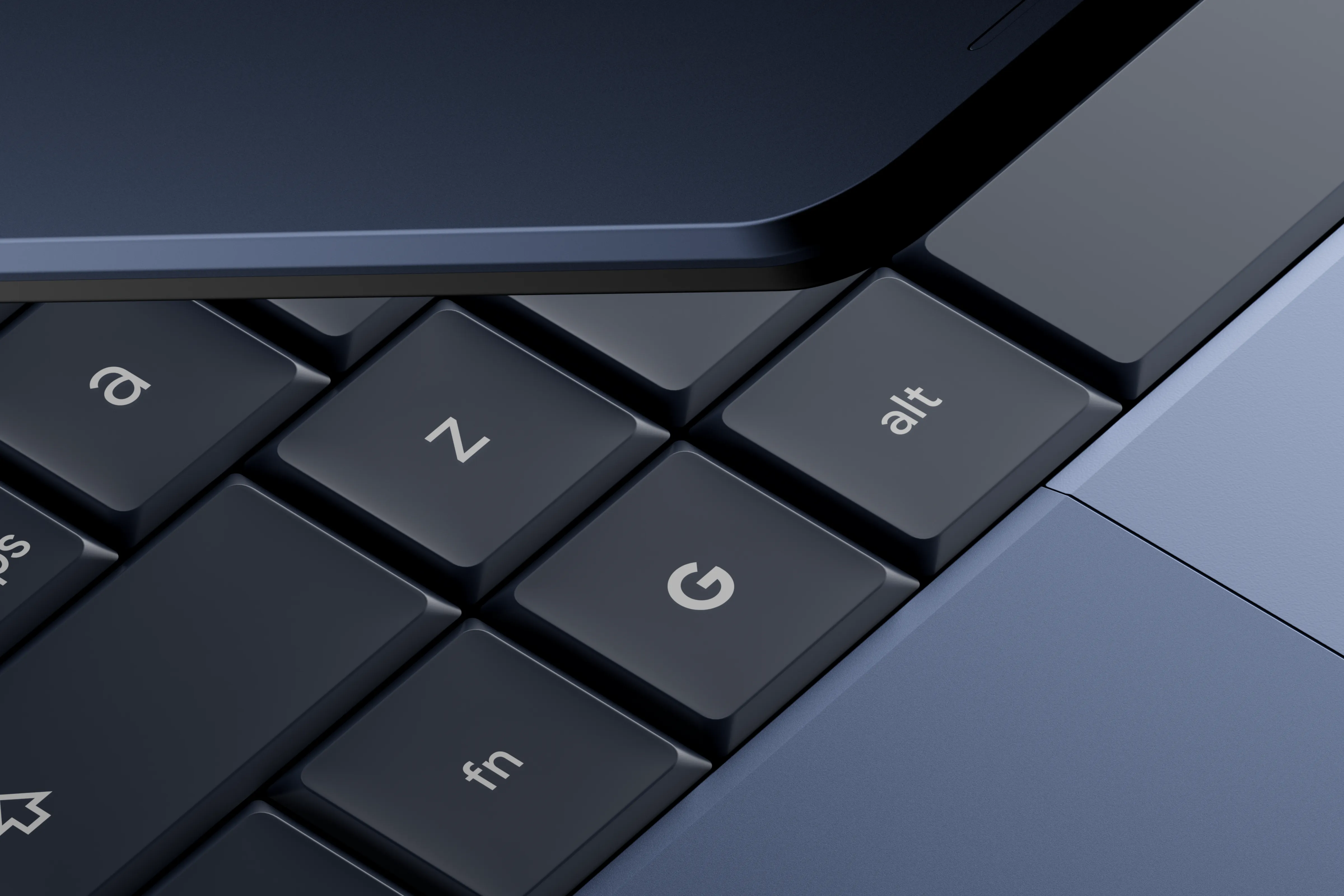
Googlebook is Google’s new premium laptop platform, and it sits above Chromebooks rather than replacing them. In its pre-order announcement on The Keyword, Google says the platform is “built on the Android technology stack and paired with desktop foundations from ChromeOS,” and is “designed for Gemini Intelligence and engineered to work with your Android phone right out of the box.” The post is written by John Solomon, Google’s vice president and general manager for laptops, tablets and Android Enterprise.
Google’s own FAQ draws the line with Chromebooks clearly: Chromebooks run ChromeOS and prioritise “simplicity, speed and efficiency,” while Googlebooks are pitched as “a brand-new category of flagship laptops” made with premium materials and tied closely to Android phones. In practice, that means the platform runs desktop Chrome with extensions alongside Android apps from the Play Store, and adds phone-linking features such as streaming your phone’s apps into a laptop window.
From a hardware point of view, the more interesting story is the floor Google has set. Every launch model uses a processor with a neural processing unit rated at 45 TOPS or more, 16GB of RAM as a minimum, a touchscreen, a haptic glass trackpad and a backlit keyboard. That is a much higher baseline than the Chromebook market, and it explains why the cheapest Googlebook costs $899.
How much does a Googlebook cost? All five models compared
Google’s official Googlebook comparison page lists the five launch laptops with their US starting prices and headline specs. The table below reproduces those figures.
| Model | US starting price | Processor | Display | Weight | Battery (Google, web browsing) | NPU |
|---|---|---|---|---|---|---|
| Acer Googlebook 14 | $899 | Intel Core Ultra 5 | 14" 2.8K OLED touch | 2.51 lb | Up to 16 hrs | Up to 47 TOPS |
| XPS Googlebook (Dell) | $999 | Snapdragon X Elite | 13.4" 2.5K LCD touch | 2.2 lb | Up to 18 hrs | Up to 45 TOPS |
| Lenovo Googlebook 15 | $1,099 | Intel Core Ultra 5 | 15.3" 2.8K OLED touch | 2.84 lb | Up to 13 hrs | Up to 47 TOPS |
| ASUS Googlebook 14 | $1,299 | Intel Core Ultra 5 | 14" 2.8K OLED touch | 2.2 lb | Up to 16 hrs | Up to 49 TOPS |
| HP Googlebook 14 | $1,299 | Snapdragon X Elite | 14" 2.8K OLED touch | 2.74 lb | Up to 19 hrs | Up to 45 TOPS |
All five are listed with 16GB of RAM and 512GB of storage in that comparison, and all have fingerprint readers. The HP and Lenovo models add face unlock. Google’s footnote says the battery numbers come from “controlled web browsing tests” and that real-world battery life may be lower.
Prices from the laptop makers themselves do not always match Google’s store. HP’s own press release gives the HP Googlebook 14 “a starting price of $1,199.99” at HP.com and Best Buy in October, while Google’s store lists it from $1,299 — so the base configuration you can buy depends on the retailer. Dell’s XPS Googlebook is $999 at Best Buy and the Google Store now, with Dell.com availability following in October.
Prices outside the US
Google’s regional stores list different line-ups as well as different prices. These are the “from” prices shown on each regional Googlebook shop page at the time of writing:
| Model | UK | Canada | Germany | Australia |
|---|---|---|---|---|
| Acer Googlebook 14 | £999 | CA$1,299 | €1,249 | Not listed |
| XPS Googlebook | £1,099 | CA$1,699 | Not listed | A$2,399 |
| Lenovo Googlebook 15 | £1,099 | CA$1,799 | €1,379 | A$2,299 |
| ASUS Googlebook 14 | £1,199 | CA$1,799 | €1,399 | A$2,799 |
| HP Googlebook 14 | £1,199 | CA$1,799 | €1,199 | A$2,299 |
The German store lists the ASUS model with an Intel Core Ultra 7 rather than a Core Ultra 5, and names the HP’s chip as the Snapdragon X1E-80-100, so exact configurations vary by country.
When can you buy a Googlebook?
Pre-orders are live now on the Google Store, at Best Buy and through “other select retailers,” according to Google. Shipping and in-store availability begin on October 4, 2026 in the US and October 5 in Canada, the UK, Ireland, France, Germany and Australia. Some makers are staggering their own web stores: Dell says its model comes to Dell.com in October, and HP says the HP Googlebook 14 is “expected to be available at HP.com and Best Buy in October.”
Intel or Snapdragon: which Googlebook chip should you pick?
This is the main hardware decision. Three models (Acer, ASUS, Lenovo) use Intel Core Ultra processors — the ASUS press release specifies Intel Core Ultra Series 3 — and two (Dell and HP) use Qualcomm’s Snapdragon X Elite. Google’s hardware overview post says it worked with Intel, Qualcomm and MediaTek on the platform, although only Intel and Qualcomm chips are available at launch.
One detail matters for buyers comparing spec sheets: the Snapdragon parts in these laptops are the X Elite, not Qualcomm’s newer Snapdragon X2 Elite generation. HP’s German listing names the X1E-80-100 model, a first-generation X Elite chip. On the Intel side, ASUS specifies a current Core Ultra Series 3 processor.
- Battery life: By Google’s own figures, the two Snapdragon machines post the longest web-browsing numbers (18 and 19 hours), while the Intel-based Lenovo, with the biggest screen, is lowest at 13 hours.
- NPU: The Intel models are rated at 47–49 TOPS, the Snapdragon models at 45 TOPS. Google describes the NPUs across the range as delivering over 45 TOPS of on-device AI performance.
- Apps: Because Googlebook is Android-based, both chip families run the same Play Store apps, and Google says the platform also offers a Linux environment with full terminal access.
For most buyers the screen, weight and price will matter more than the processor brand, since the software experience is the same across both.
Model-by-model: what each laptop maker is offering
Acer Googlebook 14 (from $899)
The cheapest model is also the only convertible. Google describes it as “the sole convertible in the lineup,” able to fold from laptop into tablet. It weighs 2.51 lb, uses a 14-inch 2.8K OLED touchscreen and an Intel Core Ultra 5, with up to 16 hours of battery life in Google’s testing.
XPS Googlebook by Dell (from $999)
Dell’s XPS Googlebook explainer describes a 13-inch machined-aluminium laptop that weighs 2.2 lb and is 12.7mm thin. Its 2.5K (2560×1600) InfinityEdge touch display covers 100% of DCI-P3, reaches 500 nits and varies its refresh rate between 30Hz and 120Hz. Dell lists up to 32GB of LPDDR5X memory, a dual-fan cooler and a target of up to 16 hours of Netflix streaming. It is the only Googlebook with an LCD rather than OLED panel.
Lenovo Googlebook 15 (from $1,099)
Lenovo’s model is the only 15-inch option, with a 15.3-inch 2.8K OLED touchscreen. Google calls it “the ultimate workhorse.” It is the heaviest of the five at 2.84 lb and has the lowest battery rating on Google’s comparison, at up to 13 hours.
ASUS Googlebook 14 (from $1,299)
According to the ASUS press release, the ASUS model starts at 0.99kg and is as thin as 10.9mm, with a magnesium-aluminium chassis. Its 14-inch 16:10 3K OLED HDR touchscreen reaches up to 1,000 nits peak HDR brightness at 120Hz, and ASUS quotes up to 18 hours from a 70Wh battery. It also has a six-speaker system and a six-sensor haptic touchpad.
HP Googlebook 14 (from $1,199.99 at HP, $1,299 at Google Store)
HP’s announcement of the HP Googlebook 14 lists a 10.91mm-thin design, a 3K OLED touch display with up to 120Hz variable refresh, a 5MP IR camera with facial recognition, quad speakers, support for up to two UHD monitors and a vapor chamber cooler. HP rates it at up to 19 hours of battery life, the highest figure in the line-up.
“People don’t think about their day in terms of devices — they think about what they need to get done, where they need to be and whether their technology can keep up.”
What is included with every Googlebook?
Google is bundling a lot of subscription value to justify the premium pricing. According to Google, every Googlebook includes:
- 12 months of Google AI Pro, which Google’s store values at $249.99 and which includes 5TB of cloud storage and higher Gemini usage limits. The store footnote says the offer applies to eligible devices purchased and activated on or after October 1, 2026.
- Three months of YouTube Premium, BandLab, Adobe Photoshop and CapCut, plus 12 months of Luminar and GeForce NOW, which Google values at “up to $300+.”
- Up to 10 years of updates, with Google promising “regular feature drops and updates.”
If you are weighing whether Google AI Pro is worth keeping after the free year, our comparison of ChatGPT, Claude and Gemini plans and prices puts the subscription in context.
Do you need an Android phone?
No, but a lot of the pitch assumes you have one. Google’s headline features include Continue On (pick up a phone task on the laptop), phone file access from the Files app and Cast My Apps, which streams your phone’s apps into a desktop window. HP’s release footnotes say several of these features require a supported device running Android 17 or above. iPhone owners can still use the laptop itself, including Gemini features such as Magic Pointer and Rambler, the Chrome browser and Play Store apps, but the phone-sync features are built around Android.
Should you pre-order a Googlebook?
If you already live in Android and Google’s services, the Acer at $899 and the Dell XPS at $999 are the value picks: the Acer for its convertible OLED design, the Dell for its lighter weight and long Snapdragon battery rating. The ASUS and HP models are the premium options at $1,299 (or $1,199.99 for the HP direct from HP), with OLED panels and the longest battery claims from their makers.
The caution is that this is a first-generation platform, and battery and performance claims so far come only from Google and the laptop makers. Independent reviews will appear once units ship on October 4. If you rely on Windows-only desktop software, a Googlebook is not a drop-in replacement; if your work lives in a browser, Android apps and Google Workspace, it is a credible alternative to a Windows ultrabook in the same price range.
What happens next
Googlebooks ship from October 4 in the US and October 5 in six further countries. Google has said it partnered with MediaTek as well as Intel and Qualcomm, which points to future models beyond the five launch devices, and the Google AI Pro bundle applies to devices activated from October 1. We will add independent battery and performance findings to our hardware coverage once reviewers have final units.
Frequently asked questions
How much does a Googlebook cost?
Googlebooks start at $899 in the US for the Acer Googlebook 14. Google’s store lists the XPS Googlebook from $999, the Lenovo Googlebook 15 from $1,099, and the ASUS and HP Googlebook 14 models from $1,299.
When is the Googlebook release date?
Pre-orders opened on September 21, 2026. Google says devices reach shelves on October 4 in the US and October 5 in Canada, the UK, Ireland, France, Germany and Australia.
What processors do Googlebooks use?
The Acer, ASUS and Lenovo models use Intel Core Ultra processors, while the Dell XPS Googlebook and HP Googlebook 14 use Qualcomm’s Snapdragon X Elite.
Is a Googlebook the same as a Chromebook?
No. Google describes Googlebook as a new premium category built on Android technology with desktop foundations from ChromeOS, while Chromebooks continue to run ChromeOS.
Does a Googlebook come with Google AI Pro?
Yes. Google says every Googlebook includes 12 months of Google AI Pro with 5TB of cloud storage, plus trial offers including YouTube Premium, Adobe Photoshop, CapCut and GeForce NOW.
Which Googlebook has the best battery life?
On Google’s web-browsing figures, the HP Googlebook 14 leads at up to 19 hours, followed by the XPS Googlebook at up to 18 hours. The Lenovo Googlebook 15 is rated lowest at up to 13 hours.
Sources
- Google: Googlebook, the laptop your Android phone has been waiting forblog.google
- Google: Googlebook model comparisongooglebook.google
- Google: Premium materials and striking design set Googlebook apartblog.google
- HP: HP Googlebook 14 press releasehp.com
- Dell: Everything you need to know about Dell’s XPS Googlebookdell.com
- ASUS: Announcing the new ASUS Googlebook 14press.asus.com
Mara Lindqvist edits the hardware desk. She covers graphics cards, processors, memory and storage, the foundries and chip designers behind them, and what the numbers on a spec sheet mean for people choosing a PC. Specifications in her stories come from manufacturer spec pages and datasheets.