Memory Chip Shortage: Why Phone Prices Are Rising in 2026
DRAM and NAND prices have nearly tripled since 2025, pushing phone makers to raise prices, cut RAM, or shelve high-end models. Here is what is driving it and how to buy smart.
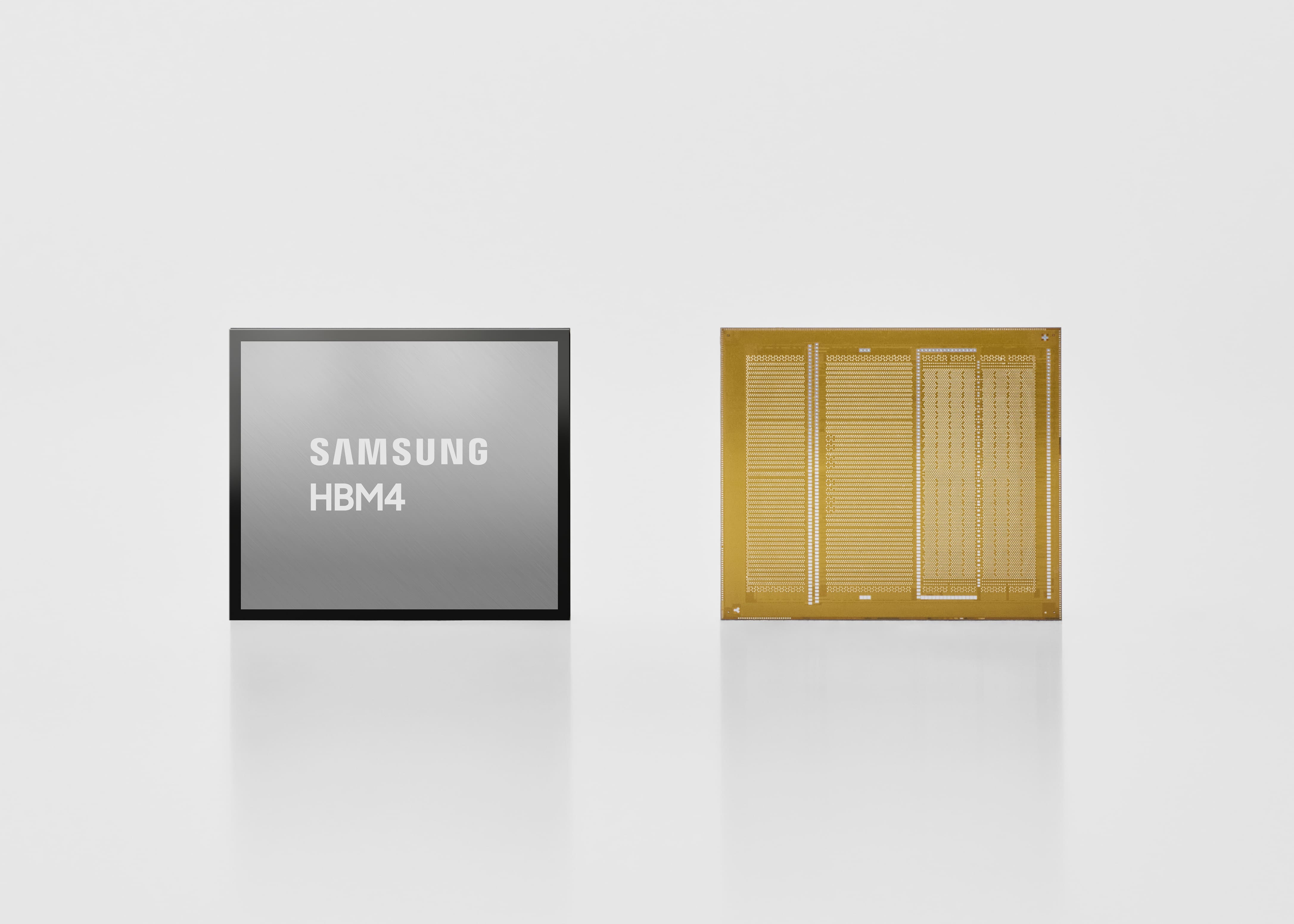
Phones cost more this year because the memory chips inside them do. A global shortage of DRAM and NAND flash, driven largely by AI data-center demand, has pushed memory contract prices up by as much as 200% year over year, and smartphone brands from Samsung to Lava have already raised retail prices or pulled high-RAM models to cope. TrendForce now expects memory to eat 30-40% of a phone's bill of materials, up from roughly 10-15% a year ago, and Counterpoint Research projects average smartphone selling prices will climb about 6.9% in 2026. Here's how a server-chip shortage ended up on your phone's price tag, and what to do about it.
- DRAM and NAND prices have roughly tripled for mainstream memory configurations since early 2025, as AI servers soak up the supply chip makers used to reserve for consumer devices.
- Memory's share of a phone's component cost has jumped from about 10-15% to 30-40%, according to TrendForce.
- Samsung has raised Galaxy S26 prices twice in 2026; Lava raised Indian smartphone prices by up to ₹3,000 effective November 15, 2026.
- Oppo's Find X10 Ultra is reportedly on hold, and industry forecasts expect budget and mid-range Android phones to feel the most pain.
- Analysts don't expect quick relief: Counterpoint has said memory prices could climb another 40% through the second quarter of 2026 alone, and TrendForce frames the squeeze as a multi-quarter cycle, not a one-off spike.
Why phone prices are rising in late 2026
The short answer is supply and demand, concentrated in two commodity chips: DRAM (the working memory that holds what a phone's apps are doing right now) and NAND flash (the storage that holds your photos, apps, and files). Both are also the chips that power AI servers, and the data-center buildout has absorbed capacity that memory makers previously allocated to phones, PCs, and other consumer gear.
TrendForce's memory-market research team said in a press release that a mainstream 8GB+256GB mobile memory configuration cost nearly 200% more in the first quarter of 2026 than a year earlier — effectively tripling. That single statistic explains most of what's happened to phone pricing this year: memory used to be a predictable, slowly falling cost line in a phone's bill of materials (BOM), and now it's the single biggest swing factor.
What actually caused the memory chip shortage
Three things converged. First, AI infrastructure spending exploded faster than memory makers expected, and demand for high-bandwidth memory (HBM) and server DRAM pulled wafer capacity away from mobile and PC-grade chips. Second, memory manufacturers — Samsung, SK hynix, and Micron chief among them — had spent several prior years holding back capacity expansion after an oversupply glut, so there wasn't spare fab capacity to redirect when AI demand surged. Third, because DRAM and NAND flash are made on shared production lines, chipmakers can and did shift wafers toward the most profitable product (server and HBM memory) at the expense of mobile DRAM supply. TrendForce flagged the same dynamic for consumer devices generally in an earlier November 2025 press release, which said memory typically makes up 10-15% of a smartphone's bill of materials and warned that share would keep climbing through 2026.
You can see the effect directly in Samsung's own numbers. In its third-quarter 2026 earnings release, Samsung reported a record KRW 107.4 trillion in quarterly operating profit, almost all of it from its Memory Business, which the company said hit new highs by prioritizing AI-related products amid capacity constraints — while its Device eXperience division, which includes Galaxy phones, posted an operating loss for the quarter. The company that makes your phone's memory is making record profits from the same shortage that's making your phone more expensive.
How memory costs flow into a phone's price tag
A smartphone's bill of materials is a stack of component costs: the application processor, display, camera modules, battery, enclosure — and memory. TrendForce's research put memory at roughly 10-15% of that stack in 2025; by early 2026 the firm says it had risen to 30-40% for mainstream devices, without the phone getting any faster or more capable in return. Brands then face a choice: absorb the cost and protect margin, pass it on to the customer, or quietly reduce the memory configuration (and therefore the bill of materials) that ships in a given price tier.
All three are happening at once, which is why the increases look uneven from one phone to the next. A flagship with strong margins might eat part of the hit and raise its price modestly; a budget phone with razor-thin margins may need a much larger percentage increase, or may ship with less RAM than its predecessor to hold the price line.
Which phones and launches have already been hit
The clearest, most visible examples so far:
Samsung Galaxy S26 series. Samsung priced the Galaxy S26 series higher than its predecessor at launch, then raised U.S. prices again in October 2026 — about $100 more on most Galaxy S26 models and $200 more on the 1TB Galaxy S26 Ultra — widely reported to be tied to memory costs. Samsung had already raised prices on several other Galaxy phones and tablets by up to $280 earlier in the year.
Oppo Find X10 Ultra. Multiple outlets, citing a Weibo leak from tipster Digital Chat Station, reported that Oppo has suspended development of its next Ultra flagship, tying the move to the cost of fitting a high-RAM flagship configuration during the memory squeeze. Oppo has not officially confirmed a cancellation, and the company's current Find X10 Pro Max already shipped with a smaller RAM allotment than its predecessor, so treat the Find X10 Ultra's fate as a credible but unconfirmed report rather than a company announcement.
Lava, in India. Lava, one of India's larger domestic phone brands, announced it would raise smartphone prices across its lineup by up to ₹3,000, effective November 15, 2026 — today's date — citing ongoing global memory shortages. Counterpoint Research has separately found that average smartphone prices in India rose about 16% in the first half of 2026, with budget models absorbing the steepest increases.
The broader Android field. TrendForce's February 2026 forecast singled out Xiaomi and Transsion as the brands most exposed, because their businesses depend heavily on entry-level, price-sensitive models where a single-digit-dollar memory increase can wipe out margin. Apple and Samsung were flagged as comparatively insulated — Apple because of its premium pricing and loyal buyer base, Samsung because it makes its own memory.
| Who | What changed | When | Stated reason |
|---|---|---|---|
| Samsung Galaxy S26 / S26+ / Ultra (US) | +$100 (+$200 on 1TB Ultra) | October 2026 | Component/memory cost pressure |
| Samsung (various Galaxy phones & tablets) | Up to +$280 | April 2026 | Memory shortage |
| Oppo Find X10 Ultra | Development reportedly suspended | November 2026 (leak, unconfirmed by Oppo) | Cost of high-RAM flagship config |
| Lava smartphones (India) | Up to +₹3,000 across lineup | Effective November 15, 2026 | "Ongoing memory shortages" |
| India market average (Counterpoint) | +16% average price | H1 2026 | Component/memory costs |
RAM and storage configurations are under pressure too
Price isn't the only lever brands can pull — configuration is the other one. Instead of (or in addition to) charging more for the same spec sheet, some manufacturers are trimming the memory that ships in a given tier: a phone that might have launched with 12GB of RAM a year ago now ships with 8GB at the same price point, or a 16GB "Ultra" tier simply doesn't appear this generation. That's effectively a price increase that doesn't show up as a sticker change — you're paying the same amount for less memory than you would have gotten previously.
This is also where the memory-chip shortage most clearly diverges from the DRAM-pricing story the hardware desk has covered in detail on the component side: the chip specs and contract pricing are one story, but which phones actually ship with how much RAM, at what retail price, is the consumer-facing half of the same shortage.
Should you buy a phone now, or wait?
There's no sign the shortage resolves soon. SK hynix has told investors that much of its DRAM and HBM capacity is already committed through multi-year supply agreements, and both TrendForce and Counterpoint frame 2026's price pressure as the start of a sustained cycle rather than a one-quarter blip. That argues against waiting for memory prices to fall before buying — on the current trajectory, phones are more likely to get modestly pricier or lose RAM at a given price tier over the next few quarters than to get cheaper.
If you don't need to upgrade immediately, the calculus is simpler: hold onto your current phone longer. Longer replacement cycles are already part of TrendForce's own forecast for 2026, and a phone bought before this cycle took hold doesn't become slower because memory got more expensive — it only becomes more expensive to replace.
What buyers can do about it
A few practical moves line up with where the pressure actually falls:
Reconsider how much RAM you actually need. The configurations getting squeezed hardest are the high-RAM "Ultra" and Pro Max tiers aimed at power users; a mid-tier configuration with 8GB or 12GB is still plenty for most day-to-day use, and it's the tier least likely to see a model pulled or a steep surcharge.
Watch the premium foldable and "Ultra" segment for the sharpest increases. Devices that depend on a large memory allotment to justify their positioning — the kind of phones compared against each other at the top of the price range — are exactly where manufacturers have the least room to absorb memory costs without raising prices or cutting the spec.
Look at last year's flagship. A phone launched before the shortage took hold was priced under the old cost structure, and retailers are often discounting the previous generation now that a pricier successor is on shelves.
Consider certified refurbished or secondhand. Used and certified-refurbished phones were built and priced before this cycle, so they're insulated from 2026's memory costs entirely. With replacement cycles already lengthening industry-wide, the secondhand market is likely to stay well stocked.
Don't assume promotional pricing will last. Festive-season and carrier promotions can temporarily mask the underlying cost increase — Lava specifically flagged this in its own announcement, telling shoppers to use current promotional pricing before its revised prices take effect. That dynamic isn't unique to one brand.
Why not every brand is hurt equally
Vertical integration matters here. Samsung both makes phones and makes memory, so a chunk of what its Mobile division pays extra for DRAM flows back to the company's own Memory Business rather than to an outside supplier — which is part of why Samsung's overall profits are climbing even as its device margins come under pressure. Apple doesn't make its own memory, but its premium pricing and purchasing scale give it more room to absorb cost increases without raising sticker prices as sharply. Brands without either advantage — mid-tier and budget-focused companies competing on price in markets like India and Southeast Asia — have the least room to maneuver, which is exactly the group TrendForce and Counterpoint both flag as most exposed.
What's next
Expect the next few quarters to bring more of the same pattern seen through 2026: periodic price adjustments on existing phone lines (as Samsung has already done twice with the Galaxy S26), quiet configuration changes on new launches rather than headline price hikes, and continued reports of shelved or delayed high-RAM flagship variants. Memory makers' own earnings calls are a useful early signal — when Samsung, SK hynix, or Micron describe DRAM and HBM demand as still outstripping supply, that's a reasonable proxy for how much pricing pressure is still working its way toward phone shelves. For now, every signal from TrendForce, Counterpoint, and the chipmakers themselves points to the squeeze continuing for multiple quarters yet, rather than easing in the near term.
Frequently asked questions
Why are phone prices going up in 2026?
A global shortage of DRAM and NAND flash memory, driven largely by AI data-center demand, has pushed memory contract prices up by roughly 200% year over year for mainstream configurations. TrendForce estimates memory now accounts for 30-40% of a smartphone's bill of materials, up from about 10-15% a year earlier, so phone makers are passing at least part of that cost on to buyers.
Is the Oppo Find X10 Ultra really cancelled?
Not officially. Multiple outlets reported, citing a Weibo leak from tipster Digital Chat Station, that Oppo has suspended development of the Find X10 Ultra and tied the move to memory costs. Oppo has not confirmed a cancellation, so treat it as a credible but unverified report rather than a company statement.
Which phone brands are hit hardest by the memory shortage?
TrendForce's February 2026 forecast named Xiaomi and Transsion as most exposed because they rely heavily on entry-level, price-sensitive models. Apple and Samsung were seen as comparatively insulated, Apple due to its premium pricing and purchasing scale, Samsung because it manufactures its own memory.
Should I buy a phone now or wait for memory prices to drop?
Analysts don't expect quick relief. SK hynix has said much of its DRAM and HBM capacity is already committed through multi-year contracts, and Counterpoint Research has said memory prices could climb further through the first half of 2026. If you need to upgrade, buying sooner is the more defensive move; if you don't, holding onto your current phone avoids the increase entirely.
Will new phones ship with less RAM to avoid price increases?
That's one of two levers brands are using alongside outright price hikes. Rather than raise a phone's sticker price to cover higher memory costs, some manufacturers are reducing the RAM or storage that ships in a given tier, which protects margin without changing the price.
Does the memory shortage affect laptops too?
Yes. TrendForce has said DRAM and NAND typically make up 10-18% of a notebook's bill of materials, a share it expects to exceed 20% in 2026, and has warned that could push average notebook retail prices up 5-15% if manufacturers pass the cost on to buyers.
Sources
- TrendForce: Memory price surge forces smartphone brands to raise prices and cut production (Feb. 2026)trendforce.com
- TrendForce: Rising memory prices weigh on consumer markets (Nov. 2025)trendforce.com
- Counterpoint Research: The AI-fueled chip shortage could raise smartphone pricescounterpointresearch.com
- Samsung Electronics: Third Quarter 2026 Resultsnews.samsung.com
- Samsung Newsroom: Samsung Unveils Galaxy S26 Seriesnews.samsung.com
- Wikipedia: Dynamic random-access memoryen.wikipedia.org
Nadia Osei covers mobile and consumer gadgets for Pandromeda: smartphones, tablets, smartwatches, earbuds and smart-home devices. She tracks launches, software updates and pricing across Apple, Google, Samsung and the rest, and builds comparisons from the manufacturers' published specifications.