Galaxy S26 Price Increase: What You’ll Pay Now
Samsung raised Galaxy S26, S26+ and S26 Ultra prices by $100 to $200 in the US and Canada without a public announcement, while the Galaxy S26 FE held steady.
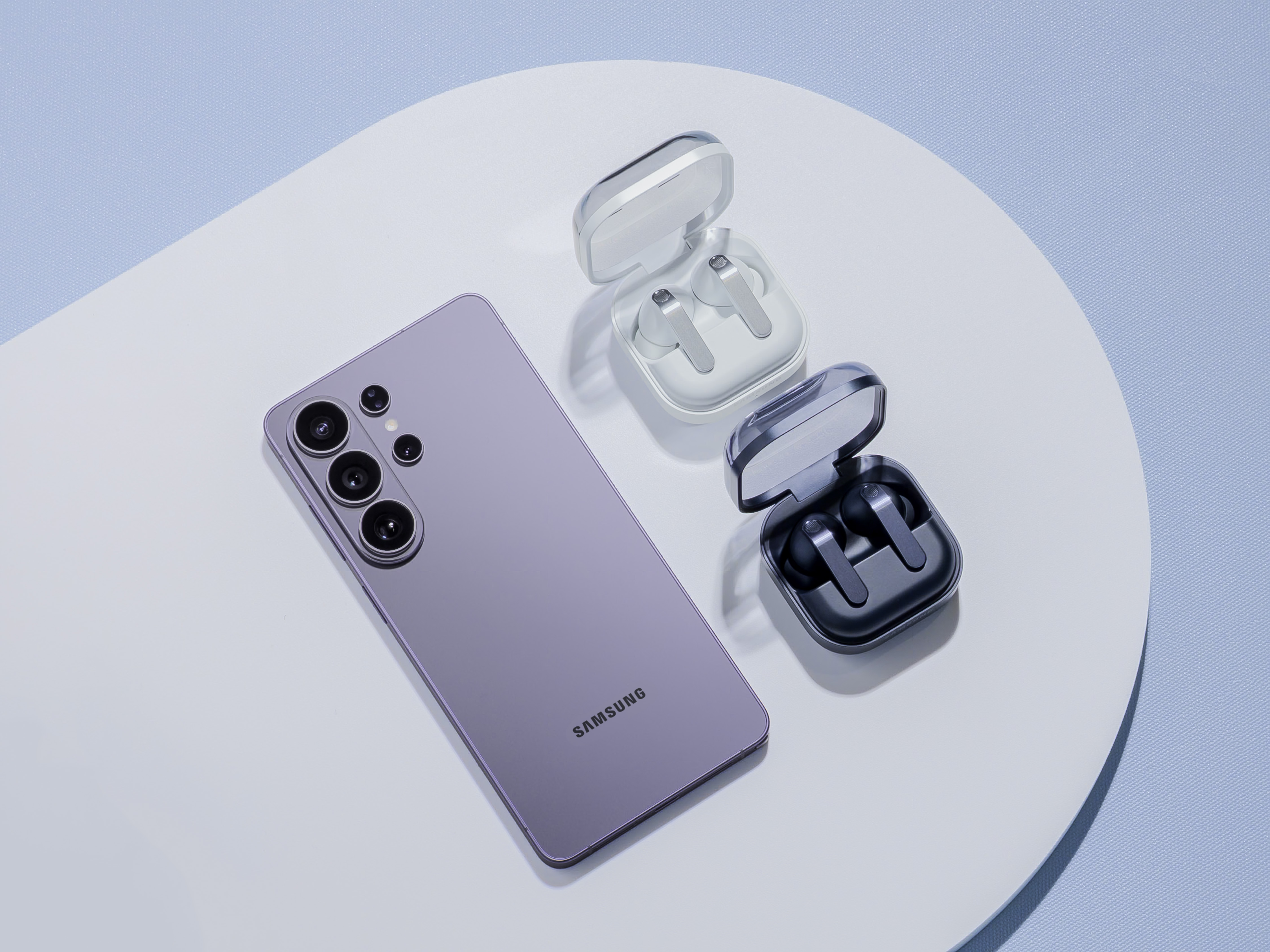
Samsung has raised U.S. prices across most of the Galaxy S26 lineup by $100, and by $200 on the top-end 1TB Galaxy S26 Ultra, with the change taking hold on Samsung’s own online store around October 1, 2026. The base Galaxy S26 now lists for $999.99, up from its $899.99 launch price; the Galaxy S26+ is $1,199.99, up from $1,099.99; and the Galaxy S26 Ultra starts at $1,399.99, up from $1,299.99. Samsung has not published a press release, blog post, or customer notice explaining the change — the new figures simply appeared on the company’s buy pages.
- Galaxy S26: $899.99 → $999.99 (+$100)
- Galaxy S26+: $1,099.99 → $1,199.99 (+$100)
- Galaxy S26 Ultra (256GB): $1,299.99 → $1,399.99 (+$100)
- Galaxy S26 Ultra (1TB): $1,799.99 → $1,999.99 (+$200)
- Galaxy S26 FE: unchanged
- Samsung has not issued an official statement confirming or explaining the increase
What actually changed on Samsung’s store
A check of Samsung’s own United States storefront confirms the new pricing is live. The Galaxy S26 buy page lists the phone’s manufacturer price at $999.99, the Galaxy S26+ buy page lists $1,199.99, and the Galaxy S26 Ultra buy page lists $1,399.99 for the 256GB model, $1,599.99 for 512GB, and $1,999.99 for the 1TB configuration — each $200 above where that tier started at launch. Those figures match what multiple outlets, including TechRepublic and Droid-Life, reported when the increase first appeared in early October.
There is a wrinkle worth flagging for anyone shopping right now: Samsung’s site also shows a separate, lower “current price” on several configurations — for example $899.99 for the base Galaxy S26 against a $999.99 list price — tied to an active promotional discount rather than a reversal of the increase. In practice, that means some shoppers may still be able to buy at close to the old price through a limited-time deal, trade-in credit, or carrier offer, even though the sticker price Samsung uses as its reference point has gone up. Anyone comparing prices should check the final checkout total on Samsung’s own site rather than relying on a screenshot or a price quoted a few weeks ago.
Galaxy S26 series: old price vs. new price
| Model | Storage | Launch price (Feb. 2026) | Price as of October 2026 | Change |
|---|---|---|---|---|
| Galaxy S26 | 256GB | $899.99 | $999.99 | +$100 |
| Galaxy S26+ | 256GB | $1,099.99 | $1,199.99 | +$100 |
| Galaxy S26 Ultra | 256GB | $1,299.99 | $1,399.99 | +$100 |
| Galaxy S26 Ultra | 512GB | $1,499.99 | $1,599.99 | +$100 |
| Galaxy S26 Ultra | 1TB | $1,799.99 | $1,999.99 | +$200 |
| Galaxy S26 FE | 128GB / 256GB | Unchanged | Unchanged | $0 |
The pattern is consistent across the three flagship models: every configuration got $100 more expensive, except the 1TB Ultra, which absorbed a $200 jump and is now within $100 of what a comparable iPhone Pro Max configuration costs. The entry-level Galaxy S26 FE, which Samsung positions as its budget flagship, was left untouched — its pricing on Samsung’s own Galaxy S26 FE buy page matches what it has shown since that model’s own launch.
When the increase took effect
Independent trackers converge on the same window. WhistleOut, Droid-Life, and other outlets that monitor Samsung’s live pricing each dated the change to on or around October 1, 2026 — roughly seven months after the Galaxy S26 series originally went on sale following its February 25 Unpacked announcement. There was no countdown, no teaser, and no carrier briefing beforehand; the new numbers appeared on product pages overnight, and several outlets noted that major retailers and carriers, including Best Buy and the major U.S. carriers, matched the higher pricing within days. A few retailers were reportedly slower to update, which is part of why early reporting on the change was briefly inconsistent about exactly which configurations had moved.
This is a smaller window than a typical mid-cycle refresh. Samsung has, in past years, adjusted pricing around the holiday shopping season or ahead of a successor launch, but a flagship line getting more expensive five to seven months after release — without a hardware change, color refresh, or storage bump to justify it — is unusual for the company’s U.S. business specifically.
Not just a U.S. story
The increase was not limited to the United States. Canadian outlets including MobileSyrup and iPhoneinCanada.ca reported that Samsung Canada raised prices on the Galaxy S26 and S26+ by roughly CA$150 and on the 1TB Ultra by roughly CA$250 around the same date, while the Galaxy S26 FE was again excluded. Separate reporting has described similar increases reaching the UK, parts of Europe, and other markets in the days around the U.S. change, suggesting this was a coordinated, global pricing decision rather than a regional retailer error or a one-off adjustment specific to American carriers.
Why Samsung hasn’t explained it
What makes this increase notable is less the dollar amount than the silence around it. Samsung was comparatively candid about its first Galaxy S26 price increase back in February: according to reporting at the time, the company’s mobile division COO, Won-Joon Choi, told the press that memory costs made a “significant contribution” to the Galaxy S26 and S26+ launching above their Galaxy S25 predecessors, alongside rising material costs and tariffs. That kind of on-the-record explanation is notably absent from the October change. The company has not published a newsroom post, support article, or statement to press confirming this second increase, why it happened, or whether further adjustments are coming. Samsung’s own original Galaxy S26 launch announcement on its Newsroom site, which covers the February debut pricing, has not been updated or followed up with any note about the October change.
Multiple outlets, including Droid-Life and WhistleOut, explicitly describe the increase as unannounced, and that remains the most accurate characterization: it is a real, verifiable, and live price change on Samsung’s own storefront, but it is not an “official” price increase in the sense of being formally confirmed or explained by the company. That distinction matters for anyone trying to understand whether this is a temporary adjustment, a permanent repricing, or the first of several moves.
The memory-chip theory, and why it’s still unconfirmed
In the absence of an official explanation, most of the informed speculation points toward the same culprit: the cost of memory. DRAM and NAND flash prices have climbed sharply through 2026 as data center operators building out AI infrastructure compete for the same supply that goes into phones, laptops, and other consumer electronics. Samsung is itself one of the world’s largest memory manufacturers, which puts it in the unusual position of potentially benefiting from higher chip prices on the components side of its business while absorbing higher costs on the devices side. Several outlets covering the increase, including TechRepublic, have connected the dots to this broader memory squeeze, and some note that other device makers have made or signaled similar moves this year.
It is worth being precise about what is and isn’t established here. The memory-cost explanation is plausible, consistent with industry-wide trends, and echoed across several reports — but it has not been confirmed by Samsung as the reason for this specific increase. No Samsung spokesperson, support document, or newsroom post has tied the October price change to component costs, AI demand, or any other specific cause. Readers should treat that explanation as informed analysis from the press, not as something Samsung has said.
What it means if you’re buying a Galaxy S26 now
For anyone shopping for a Galaxy S26-series phone today, the practical upshot is straightforward: expect to pay $100 to $200 more than early reviews and launch-week coverage suggested, unless you can find a trade-in deal, carrier installment promotion, or limited-time discount that offsets the increase. Samsung’s trade-in program remains active and can meaningfully reduce the out-of-pocket cost, particularly for anyone upgrading from a recent flagship, and the promotional “current price” discounts visible on some configurations of Samsung’s own buy pages suggest the company is still willing to compete on effective price even as its list prices climb.
Shoppers comparing the Galaxy S26 Ultra against rivals should also factor the new pricing into any head-to-head decision — our own comparison of the Galaxy S26 Ultra against the iPhone 17 Pro Max is worth revisiting now that the price gap between the two has narrowed. Buyers focused on software longevity rather than price might also want to check our One UI 9 rollout tracker to see how update support compares across the lineup before deciding which configuration makes sense at the new prices.
How carriers and retailers responded
Because most Galaxy phones in the U.S. are sold through carrier installment plans rather than paid for outright, the headline price increase doesn’t always show up as a dramatic change at checkout — it shows up as a slightly higher monthly payment spread over 24 or 36 months, which is easy to miss if you’re focused on the “per month” number rather than the total device cost. Reporting from WhistleOut indicates that AT&T, Verizon, and T-Mobile had each updated their own Galaxy S26 pricing to match Samsung’s new figures within days of the change appearing on Samsung’s direct-to-consumer store, and that major third-party retailers such as Best Buy followed a similar timeline, though a few retailers were initially slower to update their listings. That near-uniform adoption across sales channels is itself a signal: when only one retailer raises a price, it is usually a pricing error or a local decision; when Samsung’s own store, all three major carriers, and large retailers move together, it typically reflects a change coming from Samsung at the wholesale level rather than independent decisions by each seller.
For buyers on a carrier installment plan who locked in their price before the October change, existing contracts are not typically affected — the new pricing applies to new activations and purchases going forward, not to a plan already in progress. Anyone who started the checkout process before the change but hadn’t completed the purchase, however, may find the total has shifted since they last looked.
How this fits Samsung’s pricing pattern
This is not the first time Samsung has raised Galaxy S-series pricing without extensive fanfare, but the size and timing of this particular move stand out. The base Galaxy S26 launched above its immediate predecessor in February, a decision the company at least partly explained at the time, and it has now risen a further $100 just seven months into the product’s life — a second increase within a single generation, with no hardware change, color refresh, or storage bump to justify it. Whether that pattern continues into the Galaxy S27 cycle, or whether this October adjustment gets reversed once memory costs stabilize, is not something Samsung has addressed publicly.
What to watch next
A few open questions will determine how this story develops from here. First, whether Samsung issues any kind of formal statement or support notice addressing the change, which would resolve the current ambiguity around whether this is a permanent repricing or a temporary adjustment. Second, whether the increase spreads to additional markets beyond the U.S., Canada, and the early European and UK reports, or whether it stays contained to the regions already affected. Third, whether rival Android manufacturers follow with similar increases tied to the same memory-cost pressures — a pattern that, if it emerges, would suggest this is an industry-wide shift rather than a Samsung-specific decision. For now, the safest approach for shoppers is to treat the prices on Samsung’s live buy pages as the current, accurate figures, check for active trade-in or promotional pricing before paying full price, and watch for any formal word from Samsung that could clarify whether further changes are coming.
Frequently asked questions
How much does the Galaxy S26 cost now?
As of October 2026, Samsung’s U.S. store lists the Galaxy S26 at $999.99, the Galaxy S26+ at $1,199.99, and the Galaxy S26 Ultra starting at $1,399.99 (rising to $1,999.99 for the 1TB model). Those prices are $100 to $200 higher than the phones’ February 2026 launch prices.
When did Samsung raise Galaxy S26 prices?
The new pricing appeared on Samsung’s website and at major carriers and retailers around October 1, 2026, roughly seven months after the Galaxy S26 series went on sale.
Did Samsung officially announce the price increase?
No. Samsung has not published a press release, newsroom post, or customer statement confirming or explaining the October increase, though the new prices are live and verifiable on its own buy pages.
Why did Galaxy S26 prices go up?
Samsung hasn’t given an official reason for the October increase. Industry reporting widely links it to rising DRAM and NAND memory costs driven by AI data center demand — a factor Samsung’s own mobile division cited for the phones’ earlier February price increase — but that explanation hasn’t been confirmed by Samsung for this specific change.
Is the Galaxy S26 FE more expensive too?
No. Samsung’s pricing for the Galaxy S26 FE has not changed; only the Galaxy S26, S26+ and S26 Ultra were affected.
Did prices rise outside the United States?
Yes. Canadian outlets reported similar increases from Samsung Canada around the same date, and other reports describe comparable increases reaching the UK and parts of Europe.
Sources
- Samsung US – Galaxy S26 buy pagesamsung.com
- Samsung US – Galaxy S26 Ultra buy pagesamsung.com
- Samsung Newsroom – Galaxy S26 series launch announcementnews.samsung.com
- TechRepublic – Samsung Raises US Galaxy S26 Prices by Up to $200techrepublic.com
- Droid-Life – Samsung raised Galaxy S26 prices by $100droid-life.com
- MobileSyrup – Samsung Canada raises Galaxy S26 series pricesmobilesyrup.com
Nadia Osei covers mobile and consumer gadgets for Pandromeda: smartphones, tablets, smartwatches, earbuds and smart-home devices. She tracks launches, software updates and pricing across Apple, Google, Samsung and the rest, and builds comparisons from the manufacturers' published specifications.