Xbox Cloud Gaming Hour Caps: Limits, Date and How to Buy More
Microsoft is capping how many hours Game Pass subscribers can stream via Xbox Cloud Gaming each month, with pay-as-you-go hours to fill the gap.
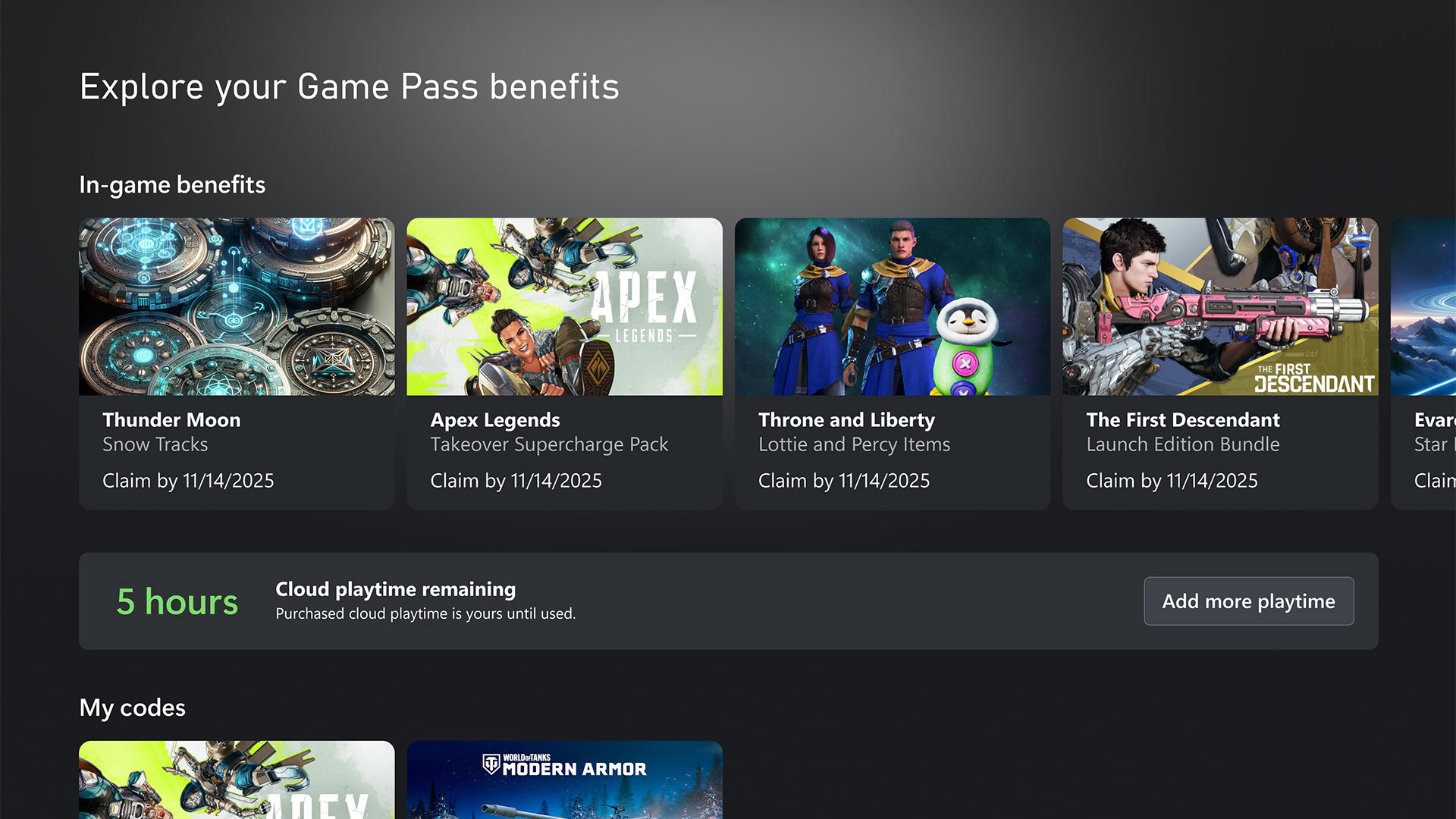
Xbox Cloud Gaming is no longer unlimited for Game Pass subscribers. Starting in November 2026, Microsoft is capping how many hours each Game Pass tier can stream per month — 5 hours on Essential, 10 on Premium and 15 on Ultimate — while also rolling out a pay-as-you-go option that lets anyone, Game Pass subscriber or not, buy extra cloud playtime by the hour.
- New monthly cloud streaming caps: Essential 5 hours, Premium 10 hours, Ultimate 15 hours
- Caps apply only to cloud streaming, not games installed on a console, PC or handheld
- Microsoft says the change affects about 4% of Game Pass subscribers
- Extra hours can be bought in the Xbox Store once a subscriber's monthly allowance runs out
- Non-subscribers can now buy standalone "Cloud Playtime" packs: 10 hours for $3.99, 25 hours for $7.99, 50 hours for $11.99 (introductory pricing, tested with Xbox Insiders first)
What are Xbox Cloud Gaming's new hour caps?
In a September 3, 2026 post on Xbox Wire titled "Upcoming Changes to Xbox Cloud Gaming," Microsoft announced that Xbox Cloud Gaming — the service that lets Game Pass members stream Xbox games to a phone, browser, smart TV or underpowered PC instead of running them locally — is moving from unlimited streaming to a monthly hour allowance tied to subscription tier. Today, an eligible Game Pass subscriber can stream as much as they want each month. Once the change lands, each tier gets a fixed number of hours, and going over that allowance requires buying more time separately.
Microsoft frames this as a usage-based change rather than a price increase on the subscription itself: the headline monthly fees for Essential, Premium and Ultimate are not changing as part of this announcement. What's changing is how much cloud streaming is included before you have to pay extra. That distinction matters, because Xbox Cloud Gaming has spent the past few years being marketed as one of Game Pass's most generous perks — the pitch was always that a subscription, not a console or a gaming PC, was enough to play most of the catalog from almost any screen. Putting a meter on that perk is a meaningful shift in how Microsoft talks about the service, even if most subscribers never come close to using it up.
It's also a sign of how differently Microsoft is now thinking about the economics of streaming games versus running them locally. Streaming a game means Microsoft is paying for server time, GPU capacity and bandwidth on every single session, regardless of whether that player ever buys anything else. A subscriber who installs and plays games locally on their own console or PC costs Microsoft comparatively little in ongoing infrastructure. Treating the two differently, rather than bundling unlimited cloud access into every tier at the same price, is the underlying logic Microsoft appears to be following here, even though its own announcement doesn't spell out the cost reasoning explicitly.
How many hours does each Game Pass tier get?
The allowances are the same across all three tiers Microsoft named in its announcement:
| Game Pass tier | Monthly cloud streaming hours |
|---|---|
| Game Pass Essential | 5 hours |
| Game Pass Premium | 10 hours |
| Game Pass Ultimate | 15 hours |
Microsoft's post does not mention a cloud streaming allowance for Game Pass Core, the entry-level tier that already has more limited cloud access than Premium or Ultimate. If you're unsure which tier you're on, Xbox's own Game Pass plans page lists current tier pricing and features side by side.
To put those numbers in everyday terms: 5 hours on Essential is roughly enough to finish a short indie game or get through the opening hours of a longer one in a single sitting each month. 10 hours on Premium stretches to a couple of weekend sessions. 15 hours on Ultimate — the top tier, which also bundles Game Pass for PC and EA Play — works out to roughly 30 minutes a day if spread evenly, though in practice most people stream in bursts rather than daily. Whether that's generous or stingy depends entirely on how someone uses the service: as an occasional way to play on a phone during a commute, it's plenty; as a primary way to play, it's a real constraint.
When do the caps start, exactly?
Microsoft's original announcement said only that the hour caps would begin "in November 2026," without naming a specific day, and said more details on pricing, eligible games and market availability would follow that month. As of this article's publication, Xbox Wire had not yet posted a follow-up naming an exact calendar day in November for the subscriber-side caps to take effect, though the company has continued to publish related updates throughout the month. If you stream heavily, it's worth checking the Xbox Cloud Gaming FAQ on Xbox Support for the latest status before you run into a limit you didn't expect.
This staggered rollout — announce the policy months ahead, test the monetization piece with a small group of Insiders, then widen it — mirrors how Microsoft has handled other Xbox subscription changes in the past. It gives the company time to gather feedback and adjust pricing before the change reaches the full Game Pass subscriber base, rather than flipping a switch on everyone at once. The tradeoff is that subscribers are left without a firm date to plan around, which is exactly why this page will be updated once Xbox confirms one.
What counts against your monthly hours?
The caps apply specifically to streaming through Xbox Cloud Gaming — playing on the Xbox app for PC, in a browser at play.xbox.com, on a smart TV app, or on a phone or tablet. They do not apply to games you've installed and are running locally on an Xbox console, a gaming PC or a handheld like a Steam Deck or ROG Xbox Ally. In other words, the cap is about server-side streaming time, not about how much you can play a game you own outright.
That also means the caps shouldn't affect the way most Xbox Series X|S owners play day to day, since local play on owned hardware is unaffected. Where it's more likely to matter is for people using cloud streaming as their primary way to play — for instance, someone without a console who streams exclusively through a smart TV app or a phone, or someone using Xbox Cloud Gaming to try games before installing them on a PC. Microsoft's own post notes that Xbox One owners can still use cloud streaming to play newer Xbox Series X|S-only titles without upgrading their console, which is one of the use cases most likely to run into the new limits if used heavily.
Microsoft has said the change is expected to affect a small slice of its subscriber base — around 4%, by its own estimate — implying that most Game Pass members already stream well under 15 hours a month and won't notice a difference. That figure, if accurate, suggests Microsoft has usage data showing the vast majority of cloud sessions are short and occasional rather than hours-long marathon sessions, which would explain why the company felt comfortable setting the caps where it did rather than lower.
How to buy more cloud gaming time
For subscribers who do run out, Microsoft's plan is to let them buy additional cloud-play hours through the Xbox Store once their monthly allowance is used up. The original September post didn't publish a price for this subscriber top-up.
A clearer pricing signal came on October 21, 2026, when Xbox Wire announced a separate but related test: an Xbox Insider preview letting people without any Game Pass subscription buy standalone "Cloud Playtime" packs to stream games they already own. That preview priced the packs at:
| Pack size | Introductory price |
|---|---|
| 10 hours | $3.99 |
| 25 hours | $7.99 |
| 50 hours | $11.99 |
Xbox Wire explicitly called these "introductory launch pricing" for the Insider test, and the post says purchased hours remain on the account until used, with no expiration mentioned. Microsoft hasn't confirmed whether this exact pricing will carry over to the broader November rollout, or whether it's the same pricing Game Pass subscribers will pay for extra hours once they hit their tier's cap — those could end up being two separate price lists.
Can you stream Xbox games without Game Pass at all?
Yes — that's the other half of this change. The Cloud Playtime packs tested with Insiders on October 21 are aimed at people who don't subscribe to Game Pass but own individual games that support cloud streaming, or want to try select free-to-play titles. According to Xbox Wire, eligibility requires a supported device, Xbox Insider access during the preview period, and either a cloud-playable game you've already bought or a qualifying free-to-play game. Microsoft has said this option is expected to roll out more broadly in November, beyond the initial Insider ring, though it hasn't published exact regions or a firm date.
This is a notable expansion of what Xbox Cloud Gaming is for. Previously, cloud streaming was exclusively a Game Pass subscriber perk — you couldn't pay to stream a game you owned outright without also paying for a Game Pass tier. Letting non-subscribers buy streaming time directly turns cloud gaming into its own standalone product line, separate from the subscription business, which could matter for people who own a handful of Xbox games but have no interest in paying monthly for a Game Pass catalog they wouldn't otherwise use. It also overlaps with Xbox's separate ad-supported cloud streaming test, announced in a July 2026 Xbox Wire post, which lets Insiders stream owned games for free with ads and one-hour session limits — giving Microsoft a free, ad-supported tier and a paid, pay-as-you-go tier sitting alongside the traditional Game Pass subscription.
Why is Microsoft doing this?
Microsoft hasn't attached an executive quote to either announcement explaining the business reasoning, but the shape of the change is consistent with a company trying to put a price on a server-side resource (cloud streaming infrastructure) that was previously bundled in unlimited for everyone on a tier. By capping the heaviest streaming use cases and selling extra hours à la carte — both to subscribers who exceed their allowance and to non-subscribers who want to dip in without a subscription — Xbox turns cloud compute from a fixed cost of running Game Pass into a line item it can charge for directly.
It's also part of a broader push to make cloud gaming itself more prominent. In a November 5, 2026 post, Xbox Wire detailed a redesigned cloud gaming web experience at play.xbox.com, including a unified Library tab covering every cloud-playable game — owned or via Game Pass — sortable by recently played, genre and input options, plus new desktop, dark/light and high-contrast display modes rolling out "over the next few weeks," and a refreshed look reaching cloud gaming apps on supported TVs and VR headsets. None of that November 5 post addresses the hour caps directly, but it shows Microsoft investing in the cloud streaming experience at the same time it's putting new limits and prices around it — treating cloud gaming as a product worth polishing and worth charging for, rather than a loss-leader perk it's trying to wind down.
What to do next
If you're a light cloud streamer, the new caps likely won't change anything — Microsoft's own estimate puts the affected share of subscribers at roughly 4%. If you regularly stream for hours at a time on Essential or Premium, it's worth tracking your usage once Microsoft publishes the tools to do so, since the company has said it will share more on "how players can check remaining time" closer to the November rollout. And if cloud streaming without Game Pass at all sounds useful — say, to play one game you own on a phone without subscribing to anything — the Cloud Playtime packs are the one to watch as they move from Insider preview to general availability.
For the latest confirmed details, Xbox Wire and the Xbox Cloud Gaming FAQ on Xbox Support remain the two places Microsoft is actually updating as the rollout proceeds.
Related: for a breakdown of what each Game Pass tier includes beyond cloud access, see our Xbox Game Pass tiers explainer. Microsoft detailed similar subscription perks around its anniversary celebration — covered in our Xbox 25th Anniversary roundup.
Frequently asked questions
How many hours of Xbox Cloud Gaming do I get each month?
It depends on your Game Pass tier: Essential gets 5 hours, Premium gets 10 hours, and Ultimate gets 15 hours of cloud streaming per month, once Microsoft's November 2026 change takes effect.
Do the hour caps apply to games I've already installed?
No. The caps only cover cloud streaming through the Xbox app, a browser, a smart TV app or a phone/tablet. Games installed and played locally on a console, PC or handheld aren't affected.
What happens if I run out of my monthly cloud gaming hours?
Microsoft says subscribers will be able to buy additional cloud-play hours through the Xbox Store once their allowance is used up, though exact subscriber pricing hadn't been published as of this article.
Can I stream Xbox games without a Game Pass subscription?
Microsoft is testing a pay-as-you-go option called Cloud Playtime with Xbox Insiders, letting people buy hourly packs (10 hours for $3.99, 25 for $7.99, 50 for $11.99 at introductory pricing) to stream games they already own, with a broader rollout planned for November 2026.
When exactly do the new hour caps start?
Microsoft has only said "November 2026" without naming a specific date; check Xbox Support's Cloud Gaming FAQ for the latest confirmed timing.
Will the hour caps affect most Game Pass subscribers?
Microsoft estimates only about 4% of subscribers will be affected, suggesting most people already stream well under the new limits.
Sources
- Xbox Wire – Upcoming Changes to Xbox Cloud Gaming (Sept 3, 2026)news.xbox.com
- Xbox Wire – Cloud Playtime Now Available to Test with Xbox Insiders (Oct 21, 2026)news.xbox.com
- Xbox Wire – A Faster, Simpler Xbox Experience Is Coming to PC, Web and Cloud (Nov 5, 2026)news.xbox.com
- Xbox Game Pass official plans pagexbox.com
- Xbox Cloud Gaming FAQ – Xbox Supportsupport.xbox.com
Jonah Reyes leads Pandromeda's gaming coverage: console and handheld hardware, release dates, pricing changes, patch notes and the business moves behind the biggest franchises. He sources every date and price from the platform holders and publishers themselves, and says plainly when something is still only a rumour.